Delhi and Beijing are exploring an “Early and Substantial Harvest” on the boundary. The difficult question is what can be harvested without prejudicing the larger settlement.
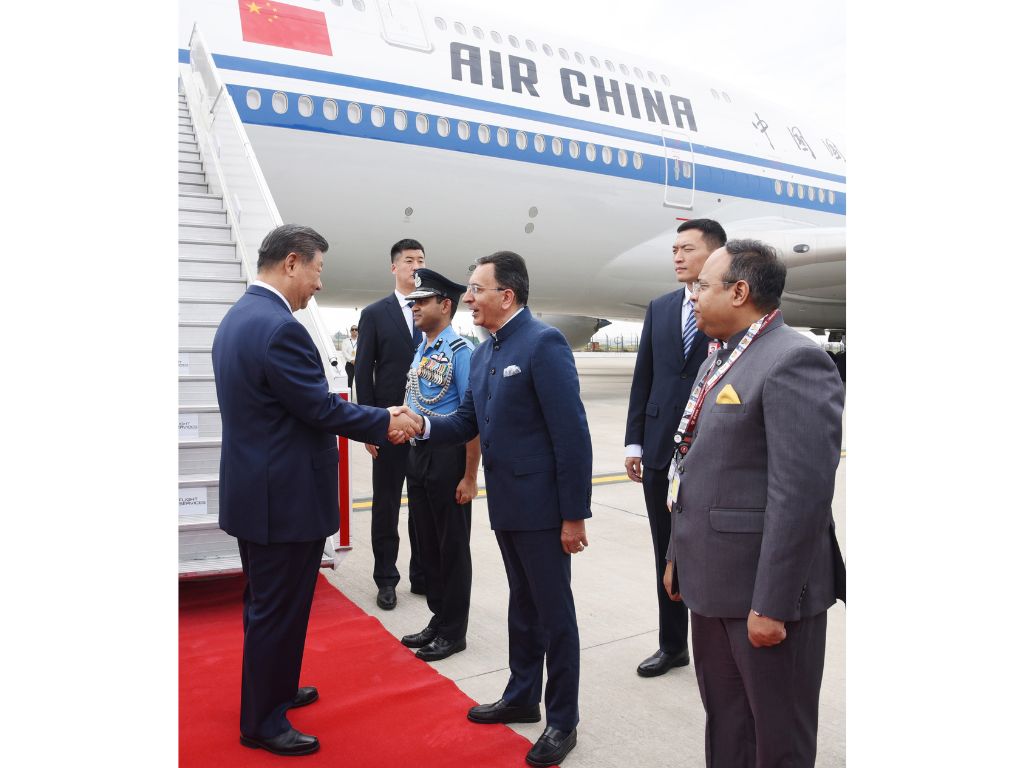
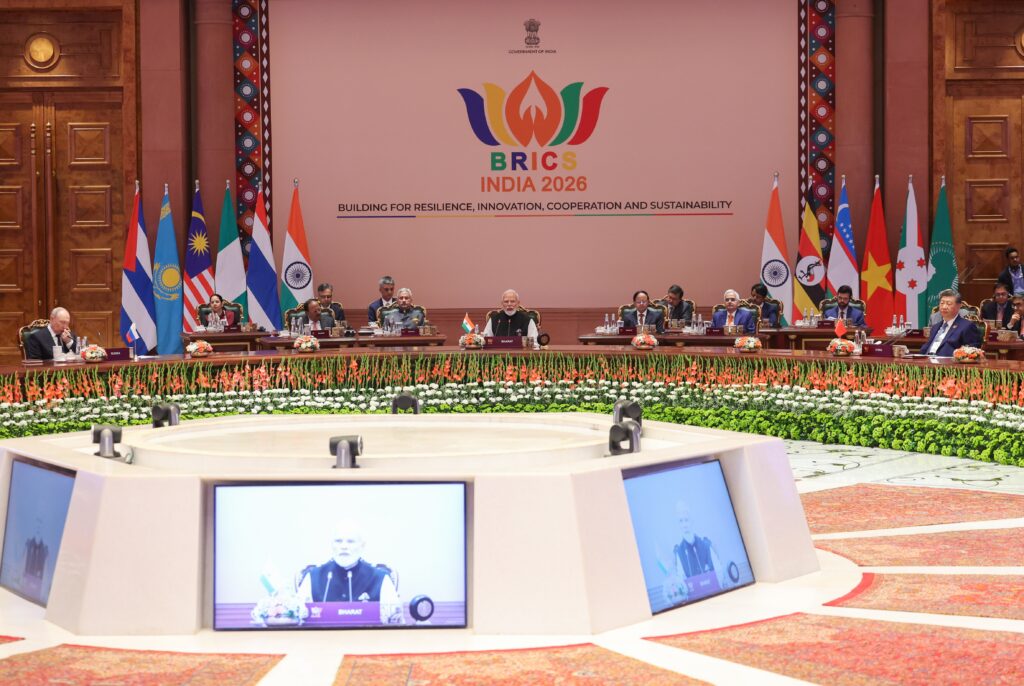
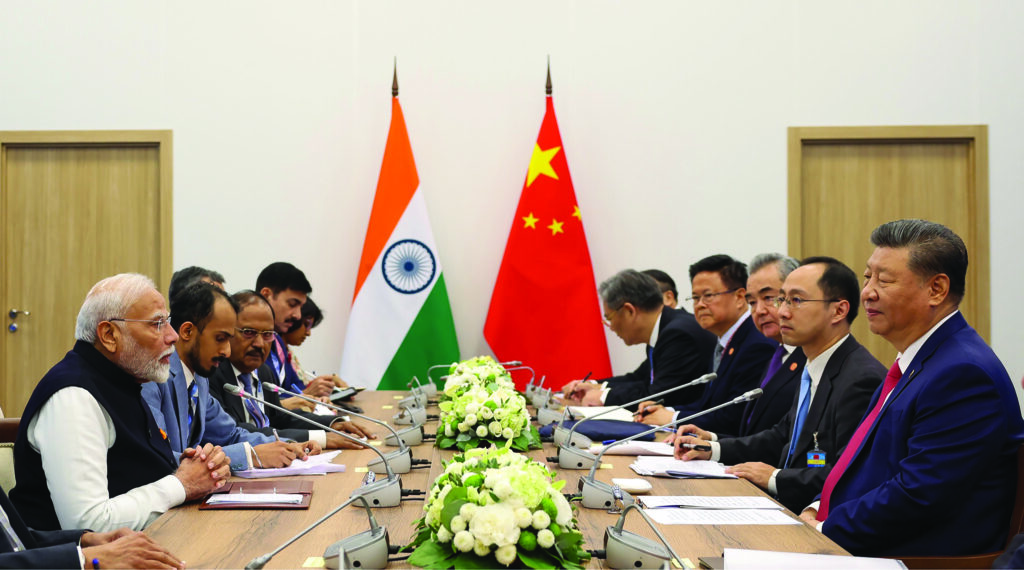
The recent meeting between Indian Prime Minister Narendra Modi and Chinese President Xi Jinping in Delhi once again highlighted the differences between the two sides on the positioning of the boundary issue in broader bilateral relations.
Beijing prefers a “dual-track” approach in which the broader relationship and the boundary question advance in parallel. As Xi put it to Modi, both tracks can “mutually promote” each other. From the Chinese perspective, this is the “appropriate” view on the positioning of this issue in the relationship. Of course, in doing so, Beijing deliberately chooses to entangle the maintenance of peace and tranquillity with the boundary settlement. Delhi, however, prefers a sequential approach, maintaining that peace and tranquillity in the border areas “remains an essential basis for the continued development of bilateral relations.” In other words, the Indian argument is that one cannot build a deeper economic or people-to-people relationship if the boundary remains volatile and unstable. It does not mean that other areas of the relationship cannot be allowed to develop unless there is a formal resolution of the boundary issue.