Berlin may need India’s skilled workers. But as migration reshapes Germany’s politics, the more difficult question may be whether Germany still wants them.
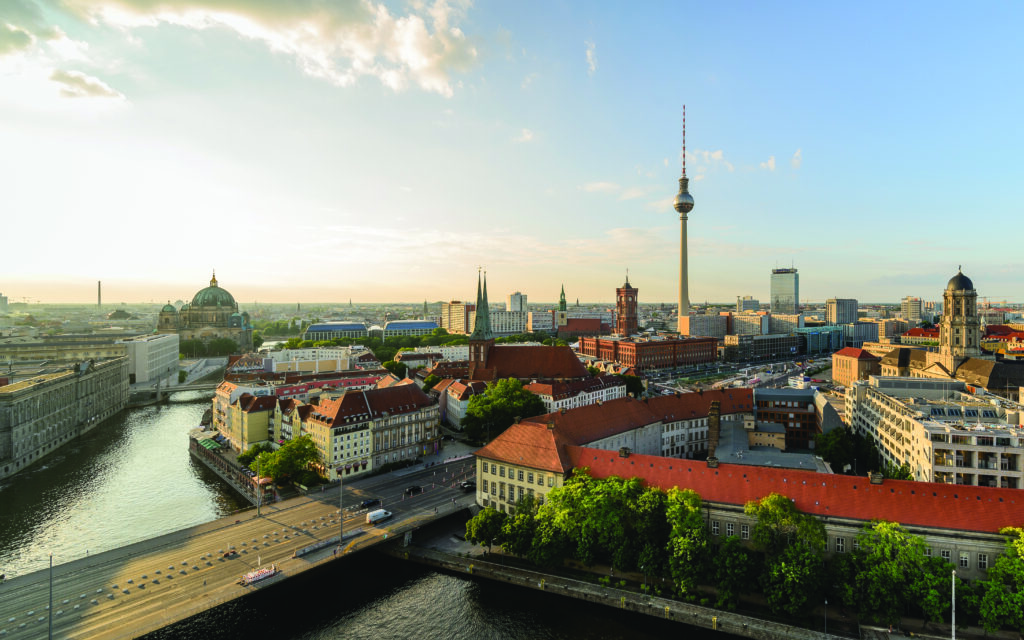
On Sunday, 20September, Germany held two state elections—one in the country’s capital, Berlin, which is both city and state, and one in the eastern state of Mecklenburg-Vorpommern (MV), on the Baltic coast. Two weeks earlier, in the state of Saxony-Anhalt, the Alternative für Deutschland (AfD) had taken 43.8% of the vote share. In MV, the same party secured 38%, coming in first. Even in the liberal German capital, 16.3% voted for the AfD. The new German Ambassador to India, Dr Jasper Wieck, told reporters in response to the results that none of this would change the thriving partnership with India, as migration policies are made in Berlin, not in Schwerin or Magdeburg. The ambassador is right, of course. However, having favourable policies is only half of what makes a country attractive to a foreigner building a life there. The other half is the sentiment and the question of whether one is welcome. This is decided in everyday life and not in politics. For a nurse from South India willing to move to Germany, this means that her new home might be needing her more than most parts of it are willing to admit or accept. For India, this translates to a partner whose commitments in the field of skilled labour are honest, but whose room to act will increasingly depend on how the migration discourse will unfold.