India–Chile CEPA talks advance
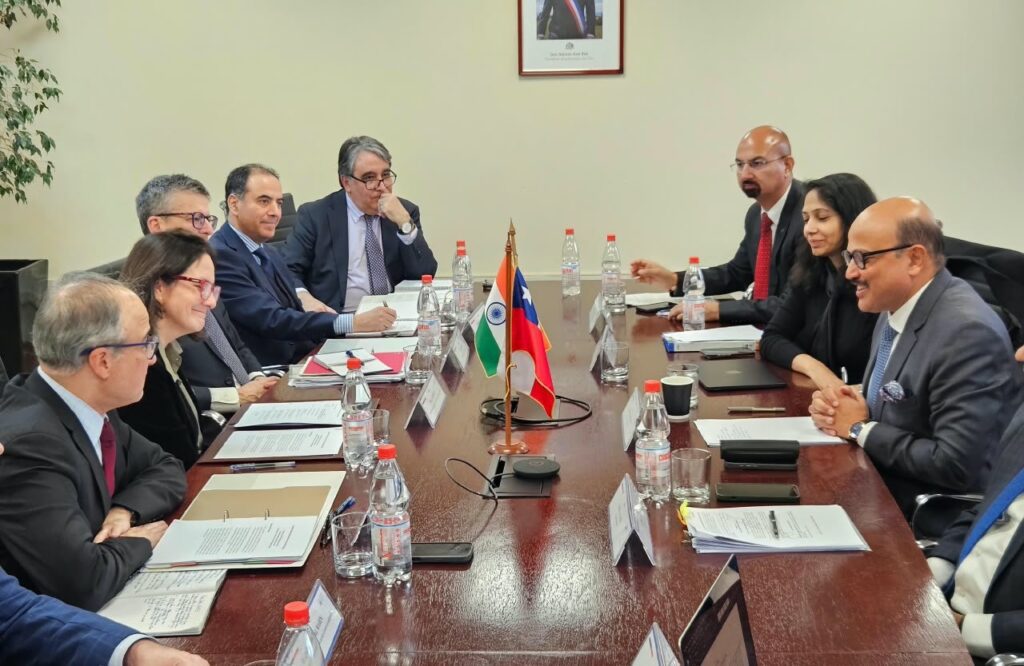
India and Chile are moving closer to a Comprehensive Economic Partnership Agreement (CEPA), with market access and critical minerals among the key areas under discussion. The two countries have had a Preferential Trade Agreement since 2006, which the proposed CEPA would expand to cover digital services, investment, Micro, Small and Medium Enterprises (MSMEs), and other areas. Commerce Secretary Rajesh Agrawal discussed the negotiations during his August visit to South America. Bilateral trade with Chile rose 66.45% to $6.25 billion in 2025-26. The talks form part of India’s broader effort to diversify trade and expand economic engagement with Latin America.
Missile tech opened to private industry
Defence Minister Rajnath Singh approved the transfer of Defence Research and Development Organisation (DRDO)-developed technologies for all conventional missile systems to eligible Indian defence companies for domestic production. The Ministry of Defence said the move would increase industry participation, strengthen domestic manufacturing, and reduce import dependence. It is also intended to create opportunities for Indian MSMEs and other technology partners in the defence supply chain. The initiative expands the role of private industry in missile manufacturing and follows a broader push to shift defence production from government-owned entities towards a wider domestic industrial base.
Railways plans 11,000-km expansion
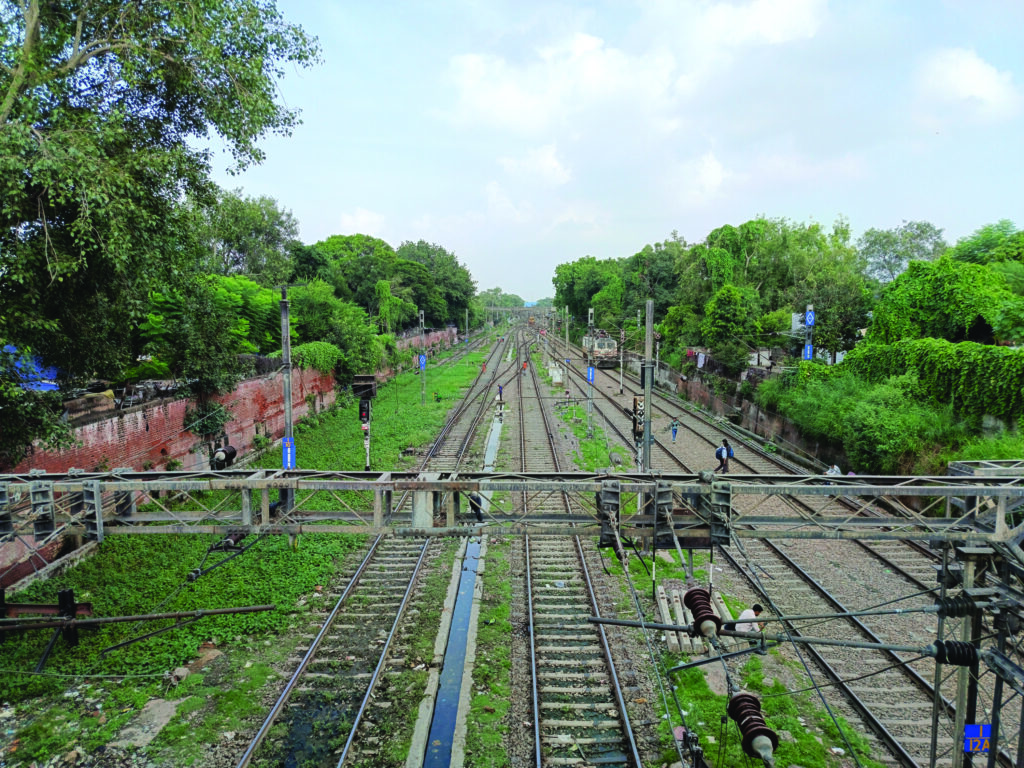
Indian Railways plans to four-lane around 11,000 km of its high-density network to increase capacity and reduce congestion on major passenger and freight routes. The seven high-density corridors account for around 41% of total railway traffic despite constituting only about 16% of the network. The proposed expansion is intended to give trains greater operating flexibility and ease pressure on existing tracks. The corridors include Delhi-Howrah, Delhi-Mumbai, Howrah-Chennai, Chennai-Mumbai, Mumbai-Howrah, Delhi-Chennai, and Delhi-Guwahati. The plans form part of a broader effort to expand capacity ahead of projected growth in passenger and freight demand.
India joins GCAP as dialogue partner
India has joined the UK–Japan–Italy sixth-generation fighter programme, known as the Global Combat Air Programme (GCAP), as a dialogue partner. The arrangement allows New Delhi to engage with the three partners on the programme’s technology, development, and capabilities, but does not make India a developer or buyer of the aircraft. The programme’s partner governments signed a £4.6 billion ($6.1 billion) contract to advance the next stage of the aircraft’s design, with entry into service targeted for 2035. The engagement gives India exposure to sixth-generation fighter development while its own Advanced Medium Combat Aircraft remains in the design phase. India has also explored cooperation with France on its sixth-generation fighter programme.
India unveils 10-year defence roadmap
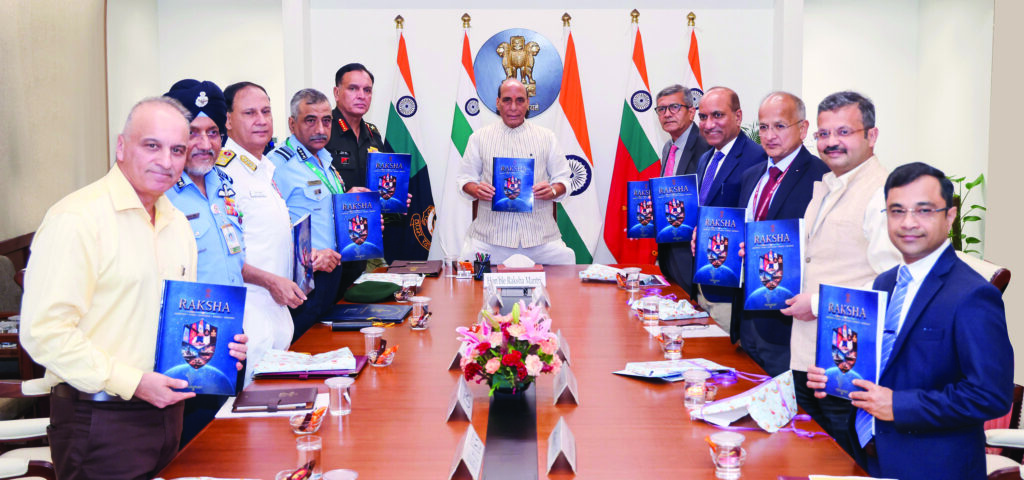
Defence Minister Rajnath Singh released “RAKSHA”, outlining India’s roadmap for defence diplomacy and international defence partnerships over the next decade. The framework rests on four pillars, which are strategic partnerships, capacity building, indigenous defence exports, and maritime security. It calls for deeper bilateral and multilateral security cooperation, expanded military exercises and training, and greater promotion of Indian defence platforms abroad. The document also reinforces India’s role as a net security provider and first responder in the Indian Ocean region. Its emphasis on indigenous exports connects defence diplomacy with India’s expanding ambitions in defence manufacturing and international markets.
ISRO launches EOS-05
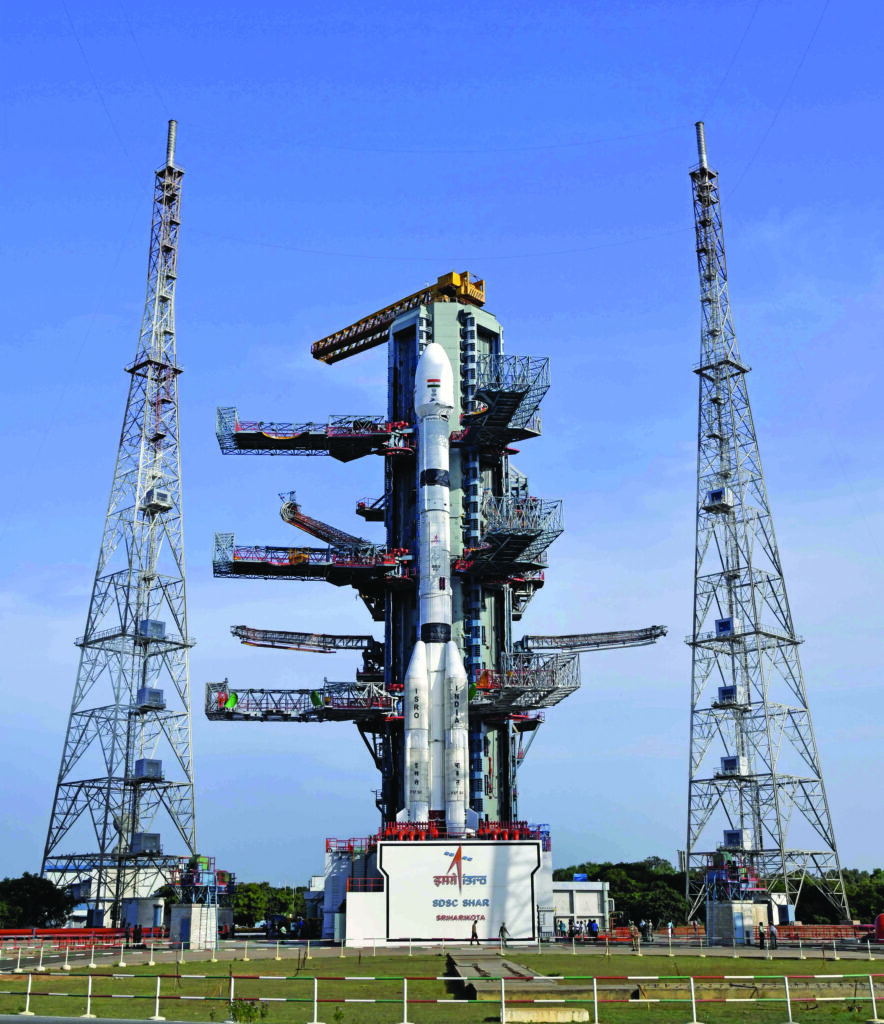
The Indian Space Research Organisation (ISRO) successfully launched EOS-05 aboard the Geosynchronous Satellite Launch Vehicle (GSLV-F17) on 4 September from Sriharikota. The satellite is India’s first imaging satellite designed to operate from geosynchronous orbit, around 36,000 km above Earth. With a payload mass of 2,367 kg, EOS-05 was described as the heaviest satellite launched by India into such an orbit. The mission marked ISRO’s first successful launch of 2026 and followed earlier difficulties involving the GSLV’s cryogenic stage. The successful flight strengthens the reliability of India’s heavy-lift launch capability and supports the agency’s wider schedule of satellite and human-spaceflight missions.
DAC clears Rs 1.1 lakh crore procurements
The Defence Acquisition Council approved Acceptance of Necessity for procurements worth around ₹1.1 lakh crore for the armed forces. The approvals cover Chemical, Biological, Radiological and Nuclear (CBRN) reconnaissance vehicles, high-mobility vehicles, advanced light helicopters, Arudhra radars, marine gas turbines, mine-laying systems, bridges, and electronic warfare equipment. Around 98% of the approved procurements are expected to come from Indian industry. The Arudhra radar, developed by DRDO and manufactured by Bharat Electronics, is intended to replace existing surveillance radars at naval air stations. The approvals also include indigenous marine gas turbines aimed at reducing dependence on foreign suppliers for naval propulsion systems.
India, Vietnam expand defence cooperation
India and Vietnam agreed to deepen defence cooperation through joint production of military hardware during the 19th India–Vietnam Joint Commission Meeting. External Affairs Minister S Jaishankar and Vietnamese Foreign Minister Le Hoai Trung also discussed stronger supply chains, wider market access, and increased trade and investment. Cooperation is set to expand into air connectivity, nuclear energy, and space, alongside defence and security. The two sides also exchanged views on the South China Sea and reaffirmed support for international law and peaceful settlement of disputes. The discussions followed the elevation of bilateral relations to an Enhanced Comprehensive Strategic Partnership earlier in 2026.
IAF’s first Jaguar squadron turns 75
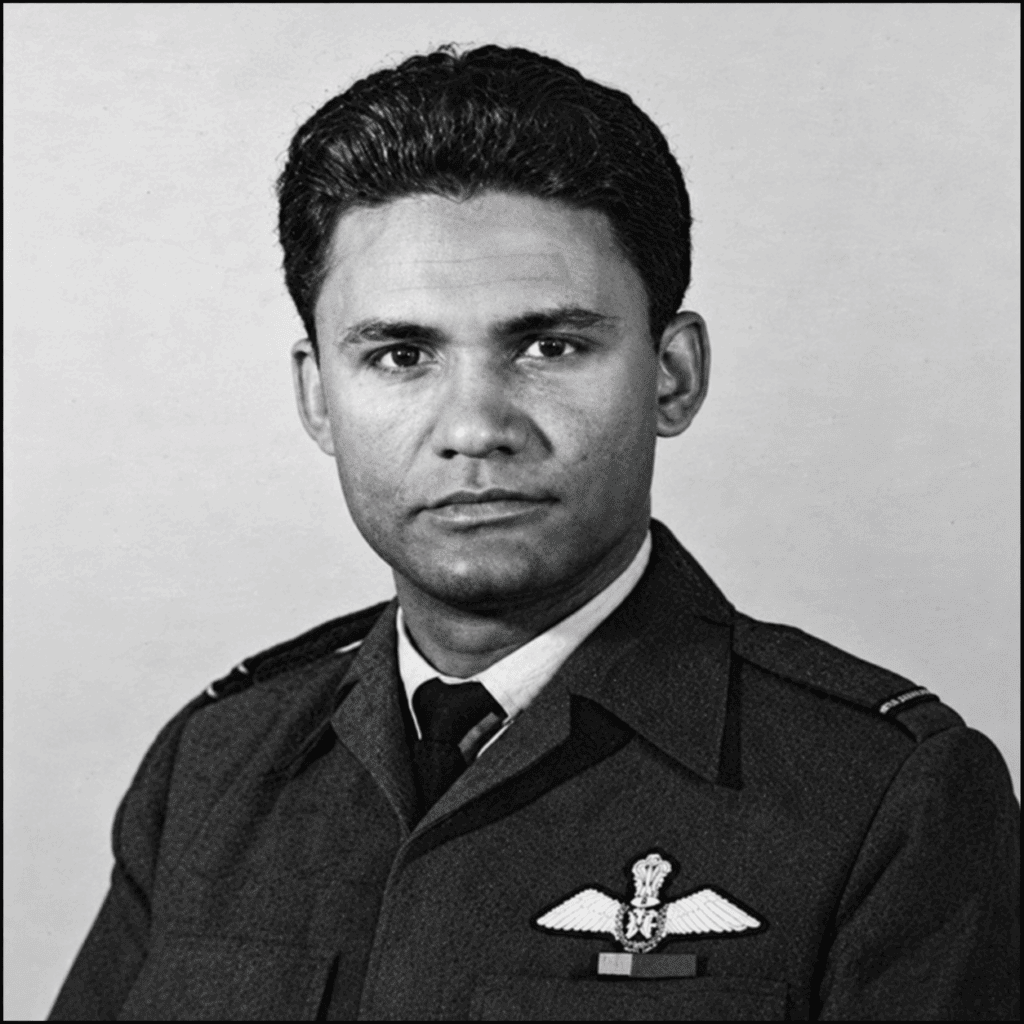
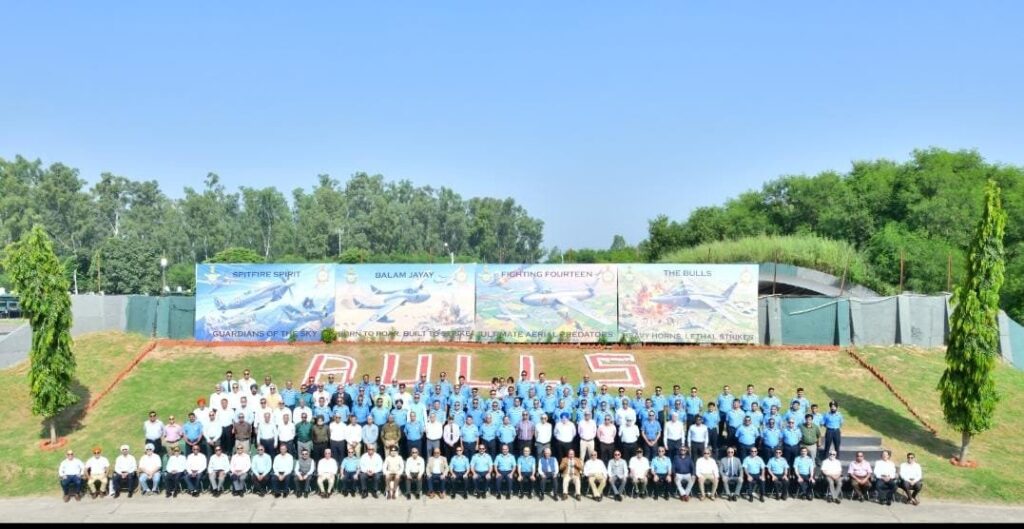
The Indian Air Force’s No. 14 Squadron, the first IAF unit to operate the Jaguar strike aircraft, marked 75 years in September. Raised in 1951 with the Spitfire, the squadron has operated four generations of fighter aircraft and participated in the 1965 and 1971 wars. It converted to the Jaguar in 1979 and continues to operate the aircraft after successive upgrades. During the 1999 Kargil conflict, the squadron undertook photo-reconnaissance and bombing missions under Operation Safed Sagar. The anniversary brought together serving and retired personnel and highlighted the squadron’s long operational history.
Jaishankar calls for Global South solidarity
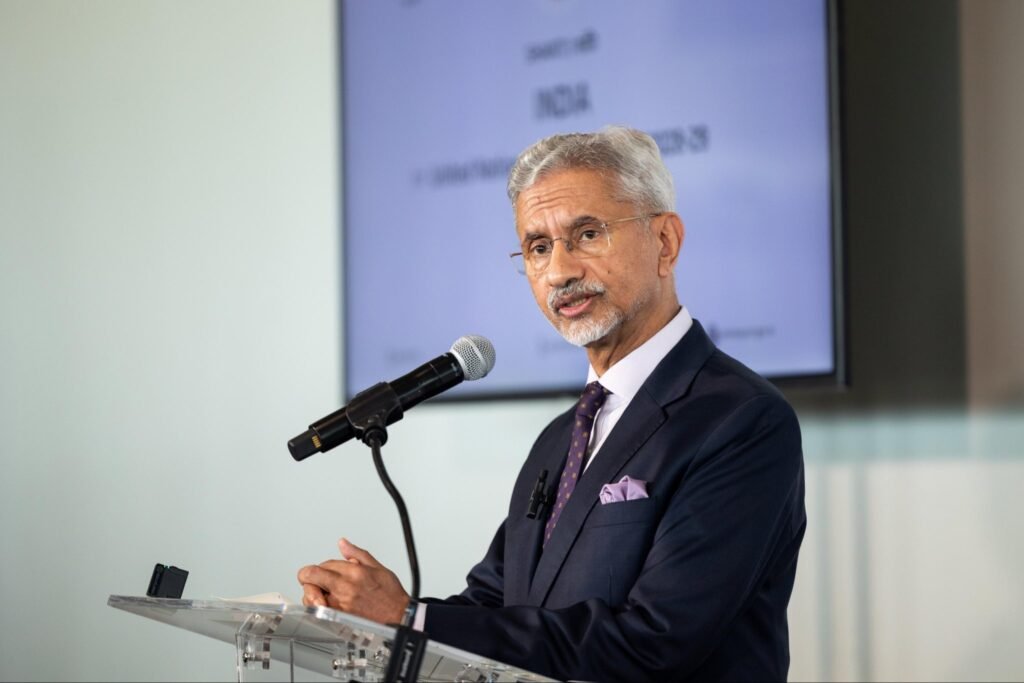
External Affairs Minister S Jaishankar called for greater solidarity among Global South countries during a high-level meeting on the margins of the 81st UN General Assembly. He argued that developing countries needed greater participation in international decision-making and stronger economic cooperation to withstand overlapping global crises. His priorities included resilient supply chains, food security, fair trade, industrialisation, technology cooperation, and climate action. Jaishankar also called for reducing dependence on the Global North for technology and international frameworks, and highlighted initiatives such as the International Solar Alliance and the Coalition for Disaster Resilient Infrastructure as platforms for Global South cooperation.
India, Visegrad Group (V4) launch new cooperation format
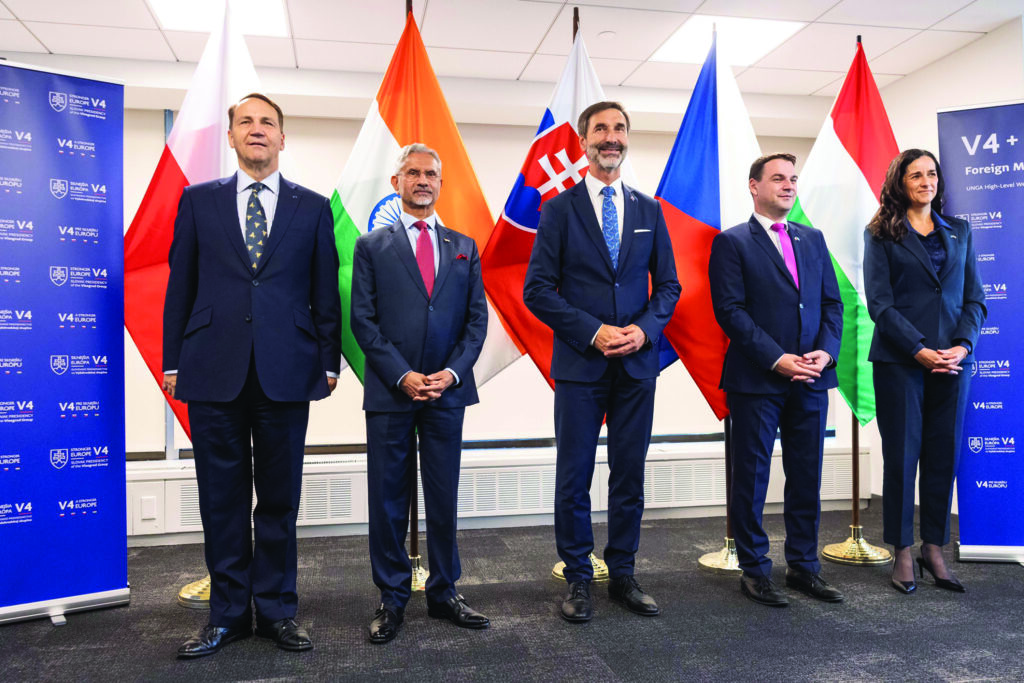
India and the Visegrad Group of the Czech Republic, Hungary, Poland, and Slovakia held their first foreign ministers’ meeting on the margins of the 81st UN General Assembly. The five countries agreed to establish annual foreign ministers’ meetings and an Annual Business Forum, while exploring greater cooperation in technology, innovation, research, education, defence, connectivity, and mobility. Discussions also covered the Ukraine conflict, developments in the Gulf, and multilateral cooperation. The new V4+India mechanism adds a group-level channel to India’s engagement with Central Europe and comes as economic and institutional ties between India and the European Union continue to deepen.
India backs new multilateralism forum
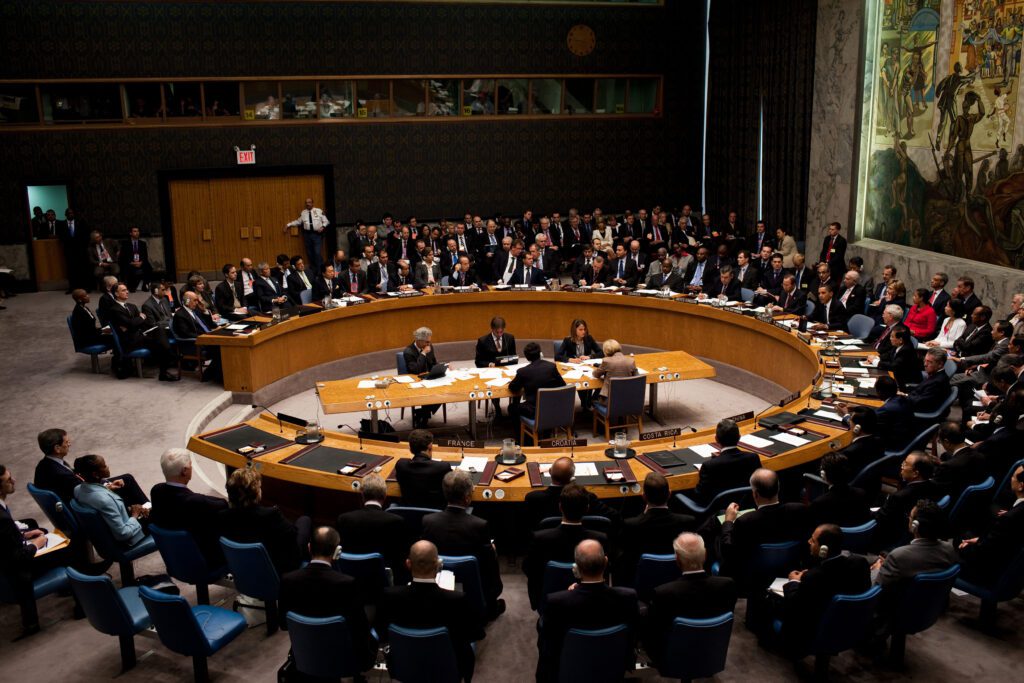
India co-sponsored the inaugural Partners for Multilateralism, International Law, Peace and Prosperity (P4M) Summit at the United Nations during the 81st UN General Assembly. External Affairs Minister S Jaishankar, who co-chaired the meeting, said the global order was under stress and called for more participative deliberations and transparent decision-making. The summit brought together the European Union, India, Australia, Barbados, Brazil, Canada, and Kenya as its initial co-sponsors and addressed issues including international security, climate action, development finance, emerging technologies, supply-chain resilience, and disaster preparedness. India’s participation reinforces its push for what Jaishankar described as reformed multilateralism and stronger international cooperation.