The Many Lives of a Colonial Diplomat
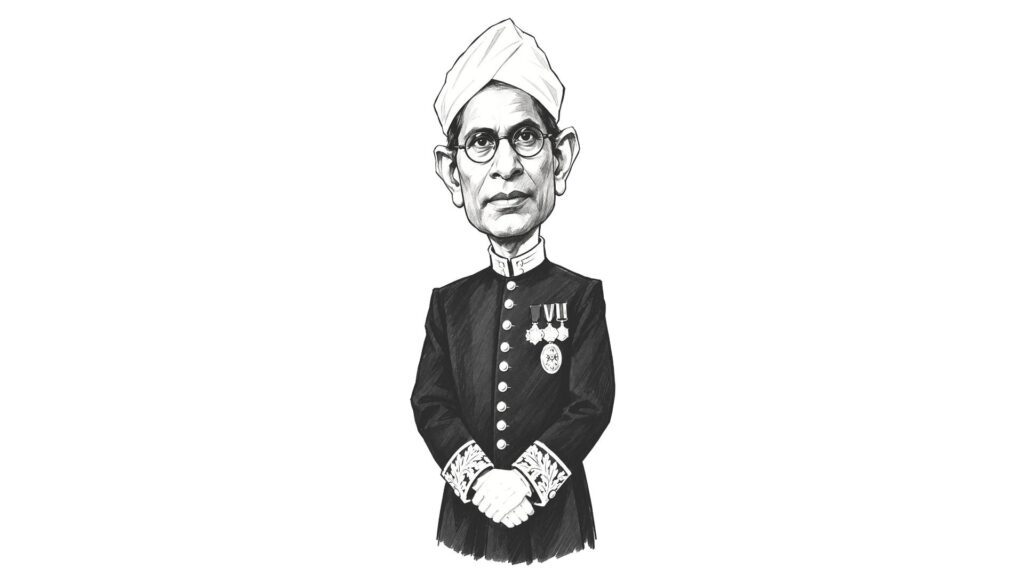
Kurma Venkata Reddi Naidu was an Indian lawyer, politician, diplomat and administrator who served as India’s Agent to the Union of South Africa, was a member of the Indian delegation to the League of Nations, and later became both Acting Governor and Premier of the Madras Presidency. His career spanned provincial politics, constitutional affairs and diplomacy at a time when India’s representation abroad was gradually acquiring greater significance.
Born on 15 May 1875 in Rajahmundry in the Godavari district of the Madras Presidency, Naidu came from a prominent Telugu family. He studied at Madras Christian College and Madras Law College before enrolling as an Advocate in the Madras High Court in 1900. Before entering the legal profession, he taught physics at the Government Arts College in Rajahmundry. He subsequently practised law in Rajahmundry and Eluru and served on several local and district boards between 1901 and 1919.
Naidu entered politics through the Justice Party and became associated with the movement for greater representation of non-Brahmin communities in the administration of the Madras Presidency. In July 1918, he joined a Justice Party delegation to Britain, alongside T. M. Nair and Arcot Ramasamy Mudaliar, to present the non-Brahmin case in the constitutional reform debate. In 1919, he led a non-Brahmin deputation before the Joint Parliamentary Committee on constitutional reforms. When the Justice Party formed the government in Madras after the introduction of dyarchy, Naidu became a minister in 1920, holding development and industries-related portfolios until 1923.
His career soon extended beyond provincial politics. In 1928, Naidu became a member of the Indian delegation to the League of Nations in Geneva, and the following year, he was appointed India’s Agent to the Union of South Africa, succeeding V. S. Srinivasa Sastri. He remained in the post from 1929 to 1932.
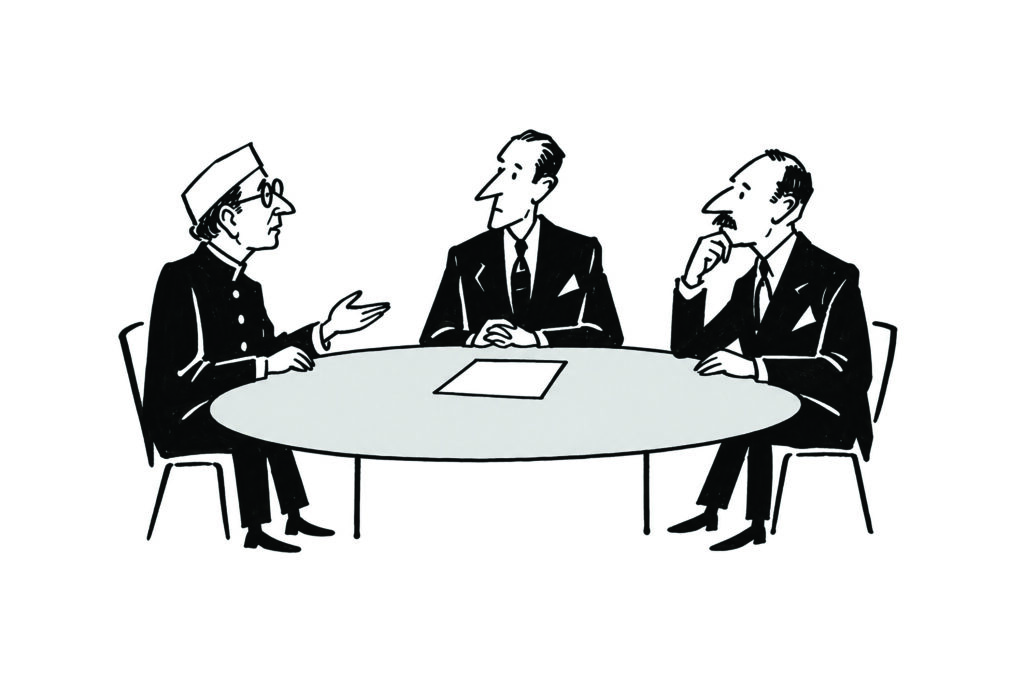
In January 1932, Naidu joined the Indian delegation to the Second Round Table Conference between the governments of India and South Africa, held in Cape Town to address the position of Indians in South Africa. The conference, held from 12 January to 4 February, dealt with the continuing disputes over the status and rights of the Indian community in the Union.
Returning to India, Naidu served as a member of the Council of State from 1933 to 1934 and subsequently joined the Governor’s Executive Council in Madras as Law Member in 1934. From 18 June to 1 October 1936, he served as Acting Governor of the Madras Presidency.
His political career took another unusual turn following the provincial elections of 1937. After the Indian National Congress emerged with a majority, it initially declined to form a ministry because of concerns over the Governor’s discretionary powers under the Government of India Act, 1935. Governor Lord Erskine consequently formed an interim government, with Naidu appointed Premier of the Madras Presidency on 1 April 1937. His ministry lasted only until 14 July, when Congress agreed to form a government, and C. Rajagopalachari became Premier.
Naidu thus occupies a distinctive place in the constitutional history of colonial India: he was the only person to serve both as Acting Governor and Premier of the Madras Presidency. His career also connected provincial administration with the emerging international role of Indian representatives—from Geneva to South Africa and back to Madras.
In his later years, Naidu remained associated with education and public institutions. During his term as Acting Governor, he was also ex-officio Chancellor of Andhra University. He later became Vice-Chancellor of Annamalai University in 1940. He died in Madras on 10 September 1942. His career remains an example of the complex path through which Indian lawyers, administrators and politicians entered diplomacy and high constitutional office during the final decades of British rule.