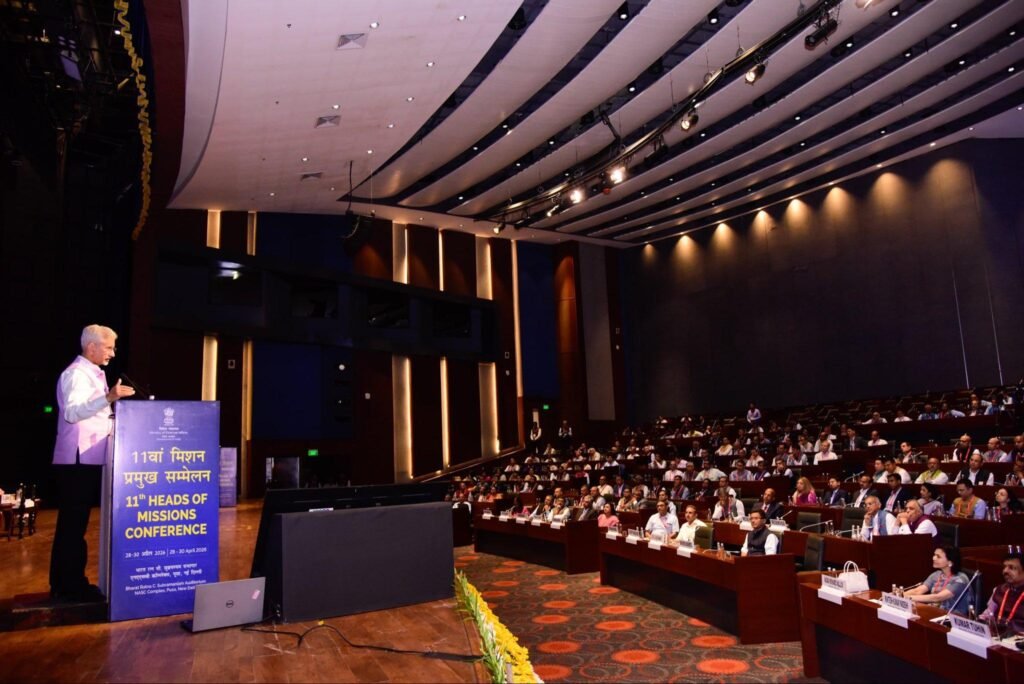
The 11th Heads of Mission Conference was held in New Delhi from 28–30 April 2026. Organised by the Ministry of External Affairs, the three-day event took place as India navigated a volatile and turbulent global environment, with multiple diplomatic challenges converging. The last such conference was held in Gujarat in October 2022.
What was the conference about?
The 11th Heads of Mission (HoM) Conference was a three-day gathering of India’s most senior ambassadors and high commissioners from across the world. Organised by the Ministry of External Affairs (MEA) in New Delhi from 28–30 April 2026. The meeting was addressed by Prime Minister Narendra Modi, External Affairs (EAM) Minister Dr. S Jaishankar, National Security Advisor (NSA) Ajit Doval and Chief of Defence Staff (CDS) Gen. Anil Chauhan.
The central theme of the event was ‘Reforming Indian Diplomacy for 2047.’ The conference aimed to foster strategic brainstorming and align diplomatic priorities. During the conference, Heads of Mission took part in yoga sessions and simulation-based tabletop exercises, alongside thematic discussions on India’s neighbourhood, China, West Asia, and evolving multipolar dynamics. Deliberations also reflected the ‘3Ts’ framework of trade, technology, and tourism, and included presentations highlighting India’s development trajectory and global positioning, often articulated as the ‘Bharat story.’
Why was the timing important?
The conference took place during what observers described as ‘the most acute diplomatic crisis faced by New Delhi in decades’ as several serious challenges were accumulating.
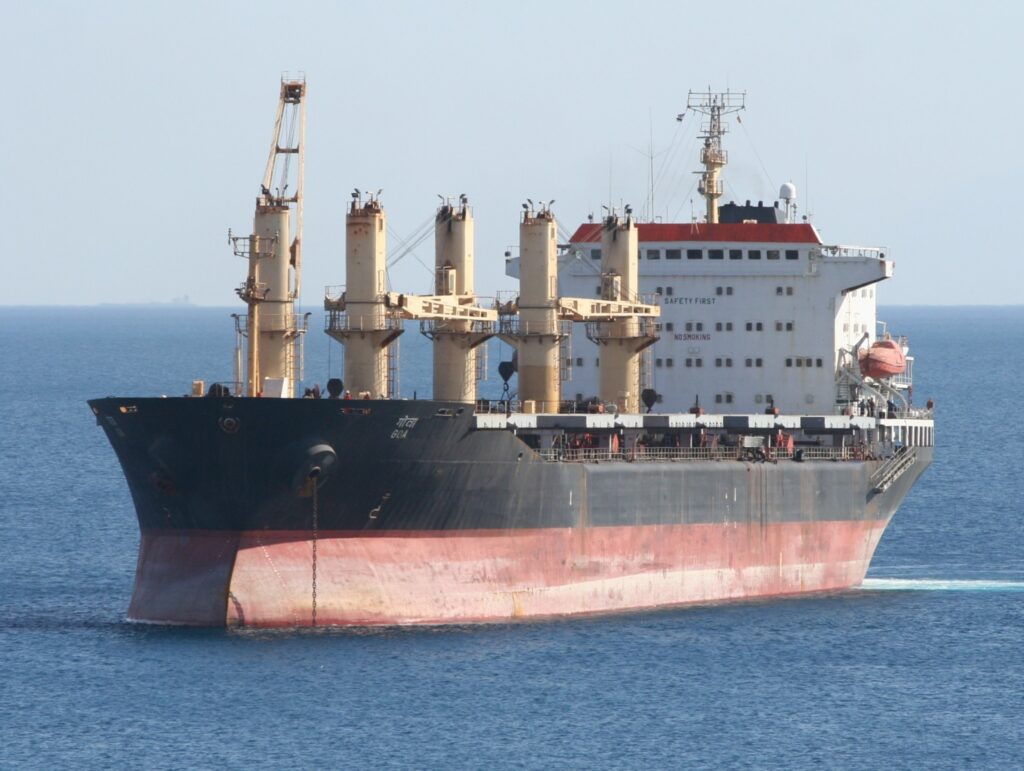
First, the war in West Asia had entered its third month following US and Israeli strikes on Iran on 28 February 2026, with a fragile ceasefire holding but tanker traffic through the Strait of Hormuz is still disrupted. Given India’s heavy import dependence and its significant exposure to this route, the disruption has elevated supply risks and increased energy costs.
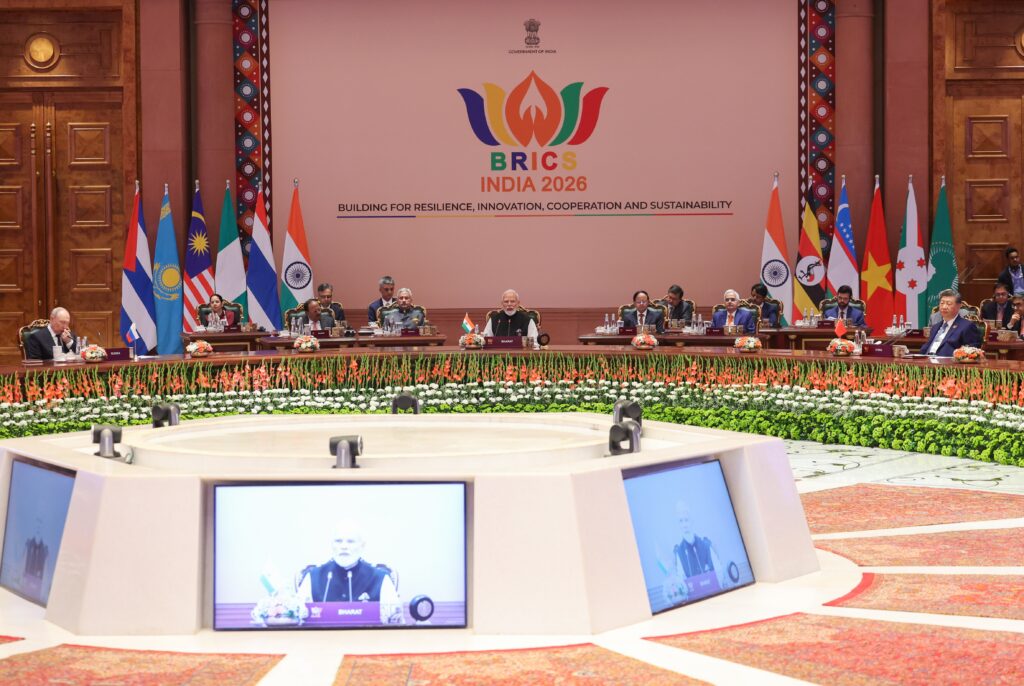
Moreover, the crisis has complicated India’s stewardship of BRICS. In late April, a meeting of BRICS deputy foreign ministers on West Asia took place in New Delhi, but it did not produce a joint statement. Instead, India issued a chair’s summary, reflecting divisions within the grouping, particularly as members such as Iran and the United Arab Emirates have taken differing positions on the conflict. More broadly, BRICS has struggled to articulate a unified stance on the crisis during India’s chairmanship. India now faces the challenge of steering upcoming ministerial and leaders’ meetings without a consolidated position, even as it balances sensitivities in its relations with major partners, including the United States.
Second, relations with the United States have shown signs of strain. Trade frictions have persisted, particularly over tariffs, market access, and India’s continued purchases of Russian oil, even as both sides have sought to stabilise ties through ongoing negotiations. At the same time, tighter visa regimes and rising costs associated with H-1B applications have remained a concern for Indian nationals, who constitute a majority of visa holders. In parallel, occasional differences in political messaging, including on India–Pakistan dynamics, have added to underlying sensitivities in the relationship.
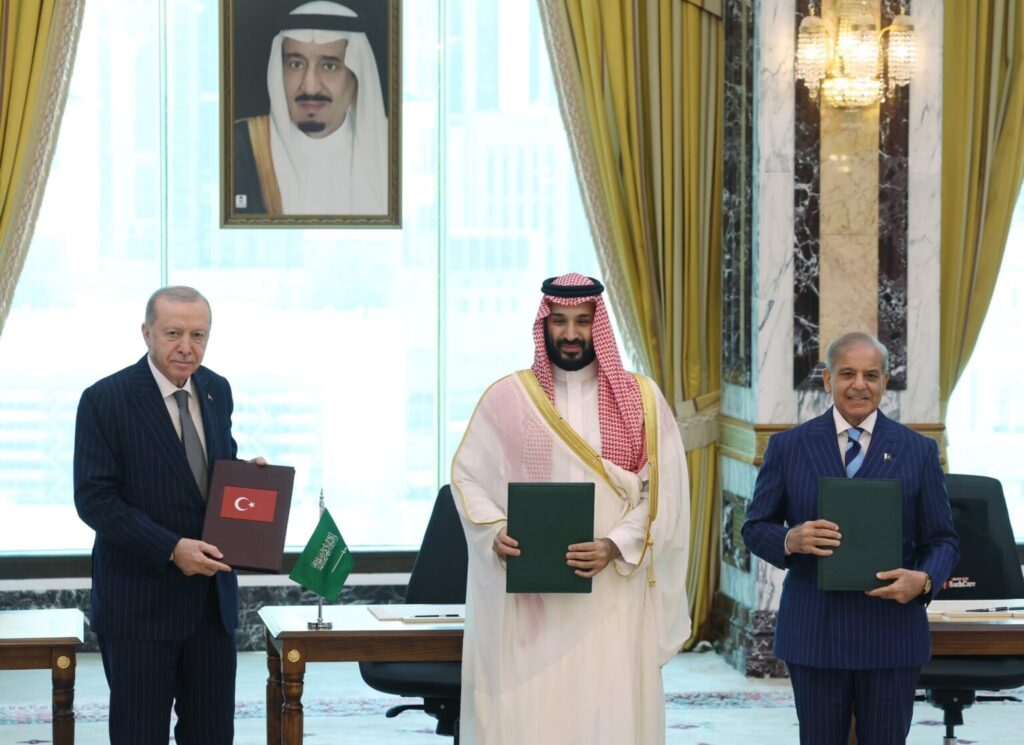
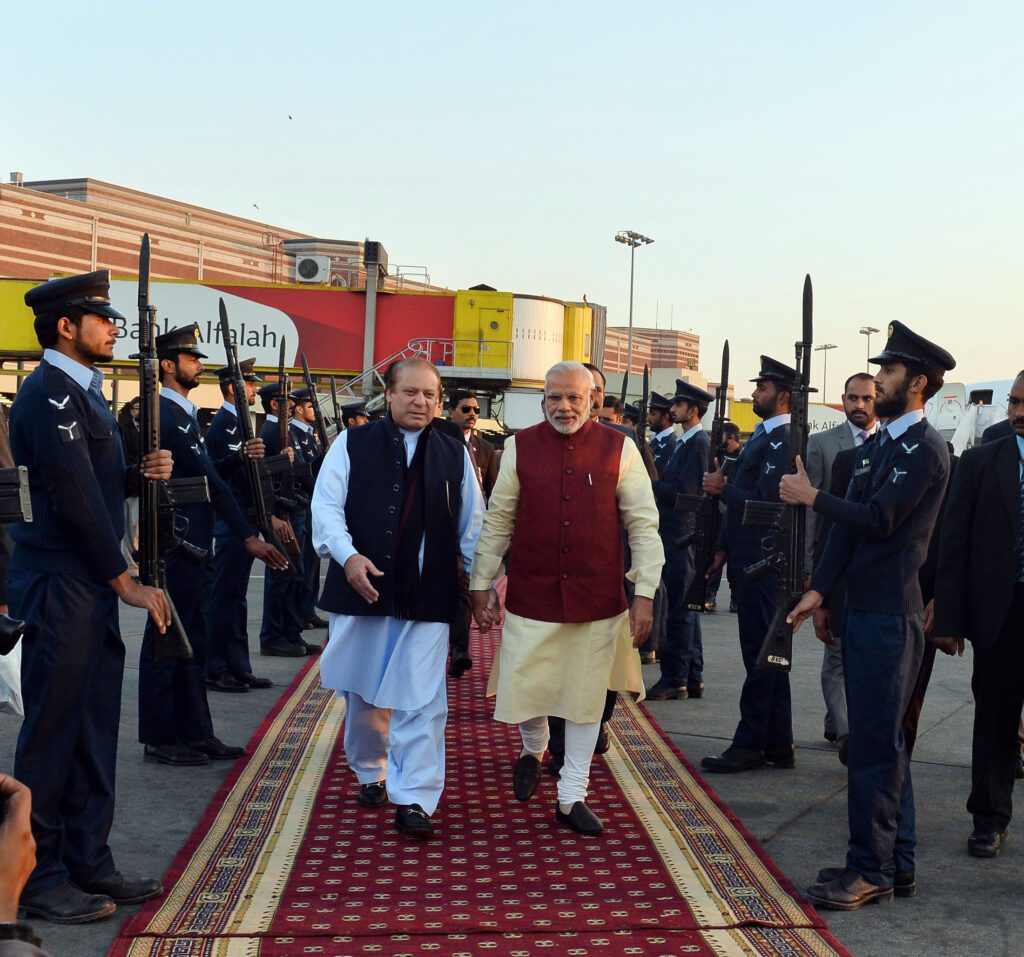
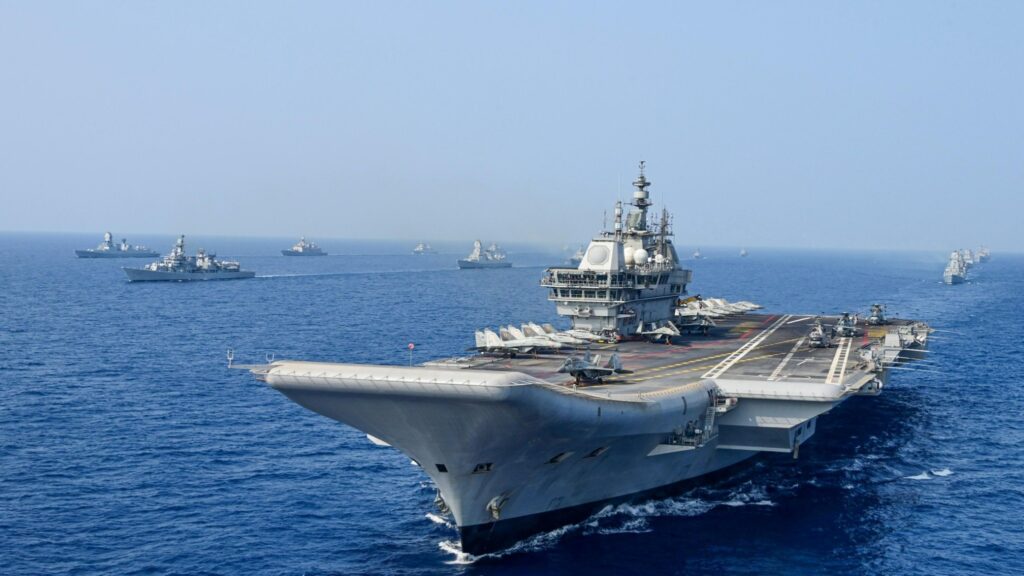
Third, Pakistan’s diplomatic standing in Washington had risen since Operation Sindoor, and Islamabad had positioned itself as a mediator in West Asia while deepening defence ties with Saudi Arabia and Qatar. Fourth, China’s growing influence in the Indo-Pacific, has become a major concern. Recently, India welcomed Japan’s decision to lift its long-standing ban on exporting lethal weapons, viewing defence cooperation as a key part of their strategic partnership.
Key takeaways from PM Modi and EAM Jaishankar’s remarks
External Affairs Minister Dr S. Jaishankar delivered the inaugural address, noting that the discussions reflected the substantial growth in India’s global engagement over the past decade. He added that in an increasingly volatile and turbulent world, Indian diplomacy remains prepared to advance national interests and achieve key national objectives.
Prime Minister Shri Narendra Modi in his address provided ‘valuable guidance on promoting India’s national interests abroad.’ He called for strengthening India’s global engagement through trade, technology, strategic partnerships, and diaspora ties, while outlining a diplomatic roadmap towards a Viksit Bharat 2047. He also reviewed presentations on future-ready diplomacy and the 3Ts and Bharat Story, and heard from diplomats on enhancing India’s global engagements.
NSA Ajit Doval outlined the key security priorities, while CDS Gen. Anil Chauhan provided updates on the capabilities and ongoing reforms of the armed forces.
Overall, the 11th Heads of Mission Conference underscored the need to align India’s diplomatic priorities with a volatile and rapidly evolving global environment. As highlighted in official discussions, the focus was not only on expanding global engagement through trade, technology, and strategic partnerships, but also on strengthening the capacity of missions to deliver outcomes on the ground. The conference reflected a shift towards more results-driven diplomacy, with greater emphasis on implementation, coordination, and measurable outcomes across regions. In this context, as India advances its 2047 vision, the effectiveness of its foreign policy will depend on how well it manages competing geopolitical pressures while ensuring that its diplomatic network translates strategic priorities into consistent and effective action.
Note: This article has been researched, edited, and fact-checked by India’s World staff and prepared with AI assistance.