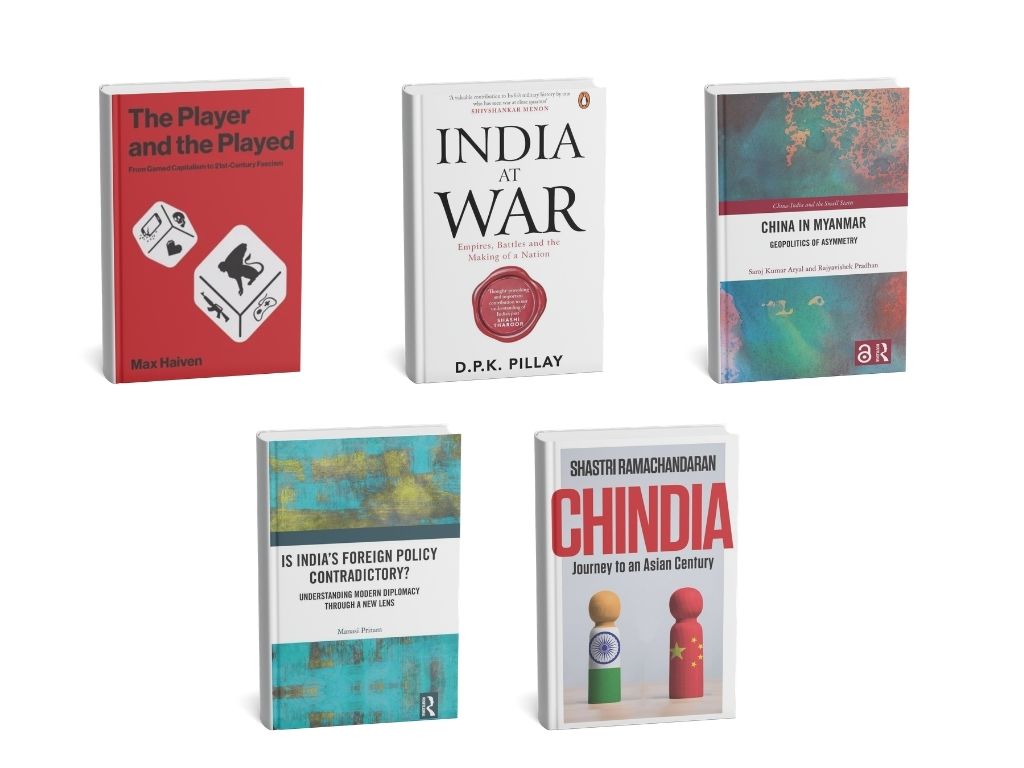
A selection of recent books shaping debates on economics, politics, and social life at large.
The Nord Stream Conspiracy: The Inside Story of the Explosions That Shook the World
By: Bojan Pancevski
Published: June, 2026
The destruction of the Nord Stream pipelines in September 2022 remains one of the most consequential acts of sabotage in recent European history. In The Nord Stream Conspiracy, Wall Street Journal correspondent Bojan Pancevski reconstructs the operation through years of investigative reporting and access to investigators, intelligence officials and people connected to the mission. The book argues that a covert Ukrainian team was responsible for the attack, while examining the competing theories that initially implicated Russia or the United States. Blending geopolitical analysis with the pace of a thriller, Pancevski explores the strategic calculations behind the operation and the difficult questions it raises about state power, intelligence, wartime strategy and accountability.

Geopolitics of AI: Power, Conflict, and the Future of Global Order
Edited by: Hal Brands
Published: July, 2026
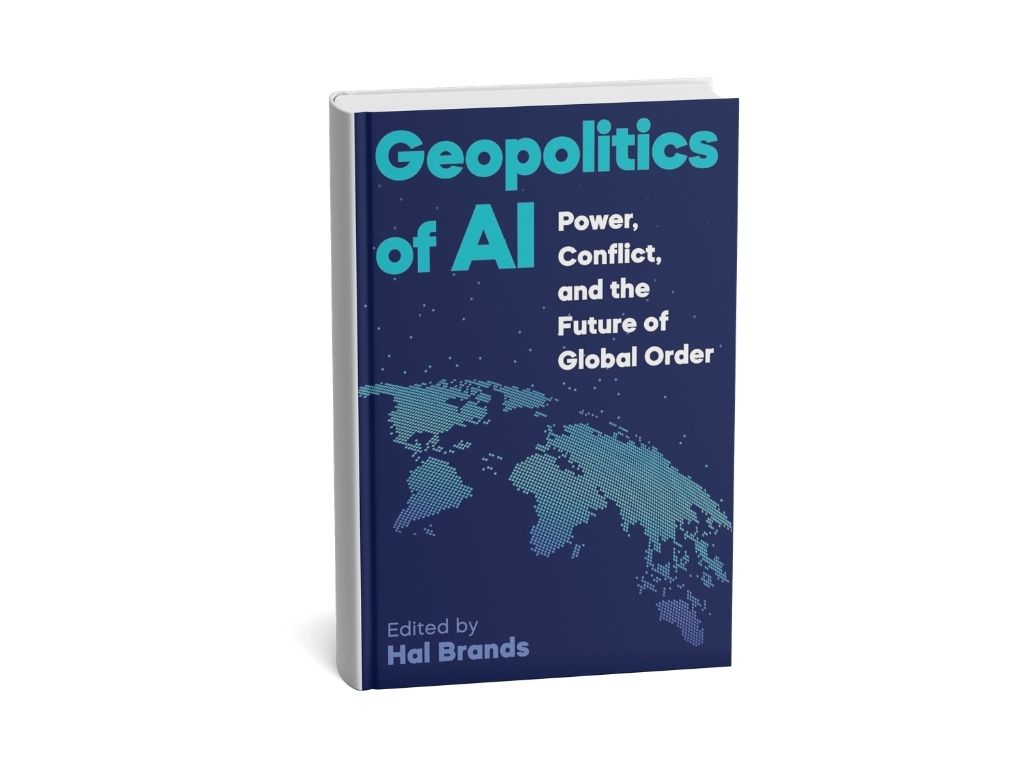
Artificial intelligence is rapidly becoming a source of geopolitical power, with implications extending far beyond the technology sector. In Geopolitics of AI, historian and strategist Hal Brands brings together scholars and policy analysts to examine how AI could reshape international competition, military power and the global order. The contributors explore the relationship between AI and great-power rivalry, military operations, economic statecraft and competing models of governance, while considering how technological competition could influence research priorities, alliances and international norms. The collection offers a broad framework for understanding why the development and deployment of AI are increasingly becoming central questions of international security and statecraft.
The American Way of Foreign Policy: Ideology, Economics, Democracy
By: Michael Mandelbaum
Published: April, 2026
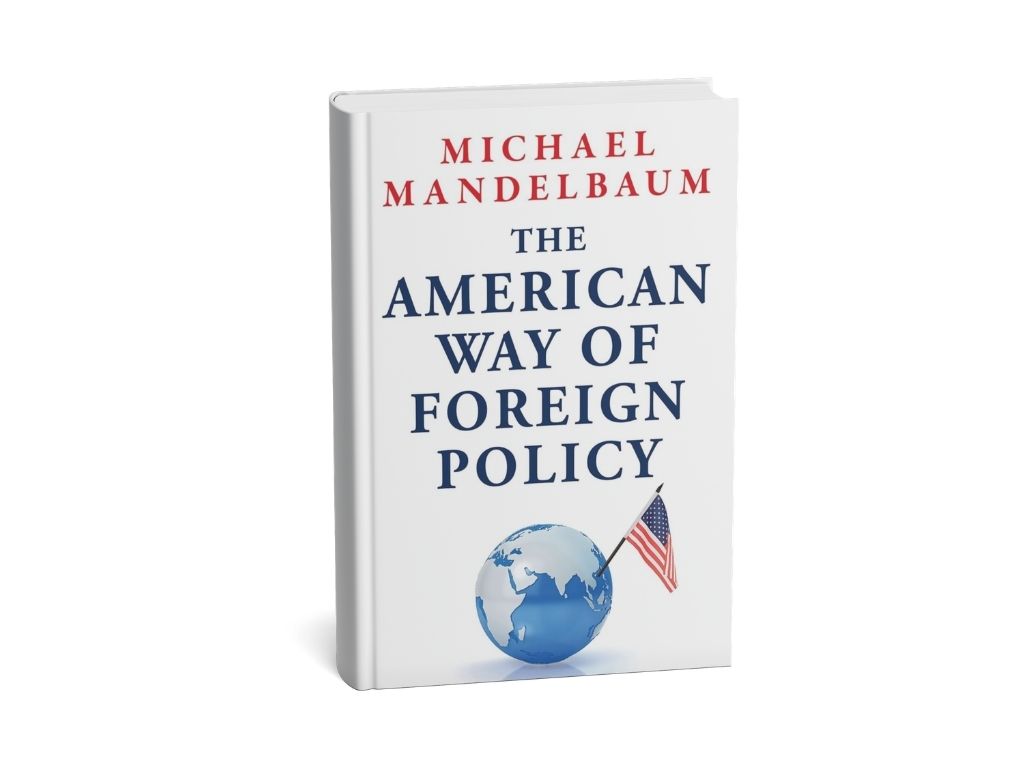
What is distinctively American about American foreign policy? In The American Way of Foreign Policy, foreign-policy scholar Michael Mandelbaum identifies three enduring features—ideology, economics and democracy—and traces their influence from the eighteenth century to the present. He examines how the United States has promoted its political values abroad, employed economic instruments in its relations with other countries, and allowed democratic institutions and public opinion to shape decisions about international affairs. Spanning more than two centuries, the book offers a concise interpretation of American statecraft and provides historical context for understanding the distinctive character of Washington’s role in world affairs.
Out of Chaos: A Global History of the Nation State
By: Jon Wilson
Published: August, 2026
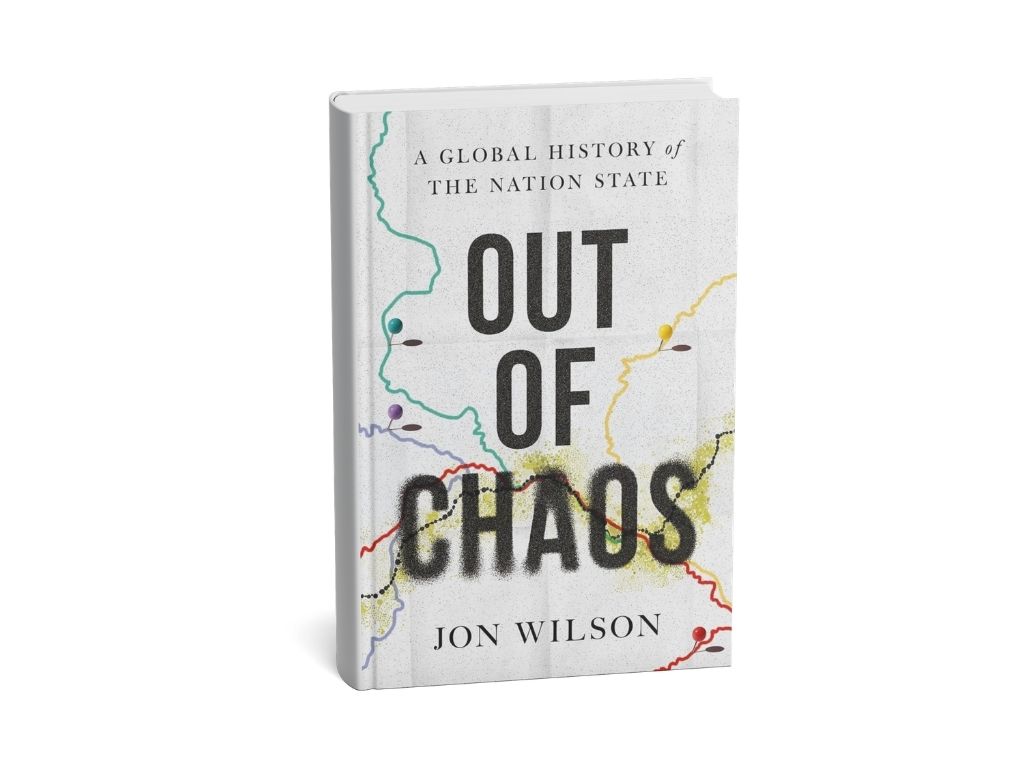
The nation-state often appears to be the natural building block of international politics, but Out of Chaos argues that its dominance is a relatively recent and unexpected development. Historian Jon Wilson traces how the modern world of nation-states emerged from the political upheavals surrounding the Second World War and the collapse of older imperial and federal arrangements. Moving across regions from Montevideo to Yogyakarta and from New Delhi to Jerusalem, he examines how political leaders confronted the crisis of the postwar order and arrived at the nation-state as a framework for organising territory, sovereignty and economies. The book offers a global history of how the political map came to be organised around states.
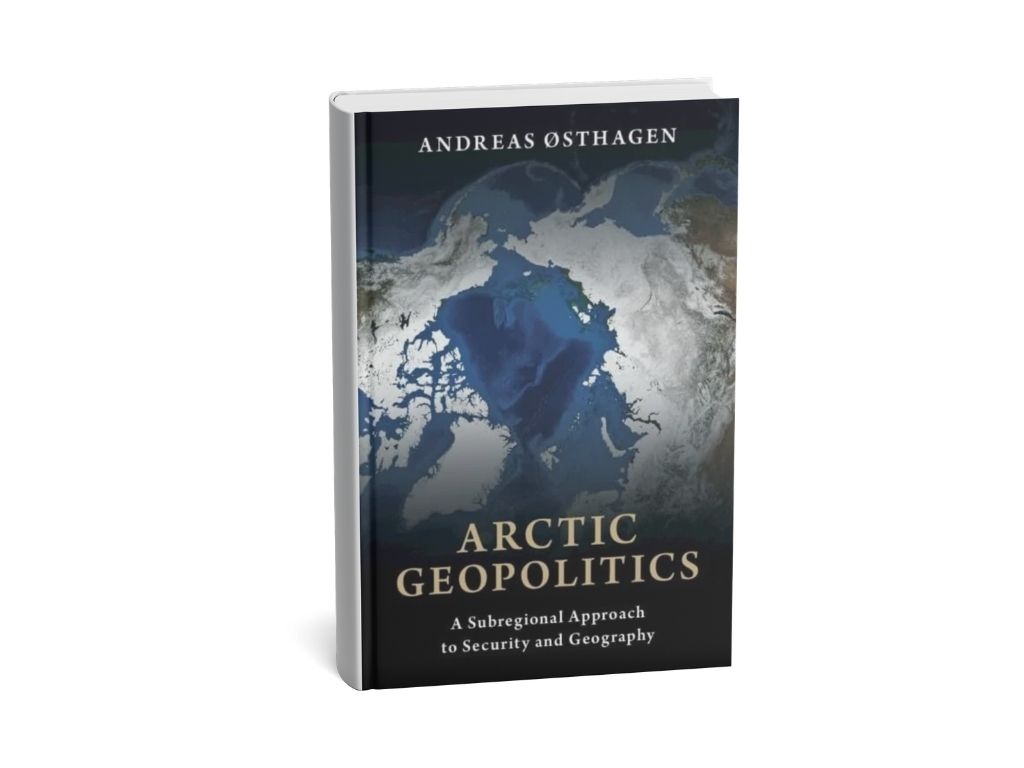
Arctic Geopolitics: A Subregional Approach to Security and Geography
By: Andreas Østhagen
Published: July, 2026
As the Arctic becomes increasingly important to global security, Arctic Geopolitics examines whether growing strategic competition will lead to conflict or whether cooperation can survive. Andreas Østhagen moves beyond the idea of the Arctic as a single geopolitical arena, analysing the region at regional, global and national levels and focusing particularly on its distinct security subregions. He considers the roles of Russia, the United States, Norway and China alongside changing strategic conditions, geography and security concerns. By placing subregional dynamics at the centre of the analysis, the book offers a nuanced account of how geography shapes security and foreign policy in one of the world’s rapidly changing strategic arenas.