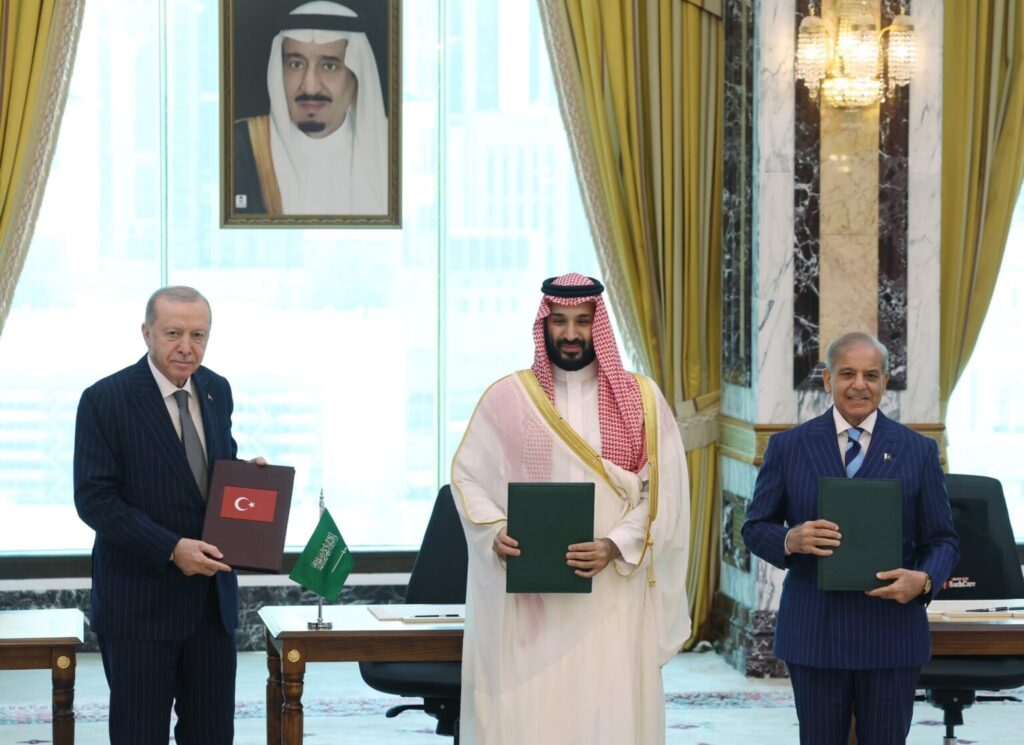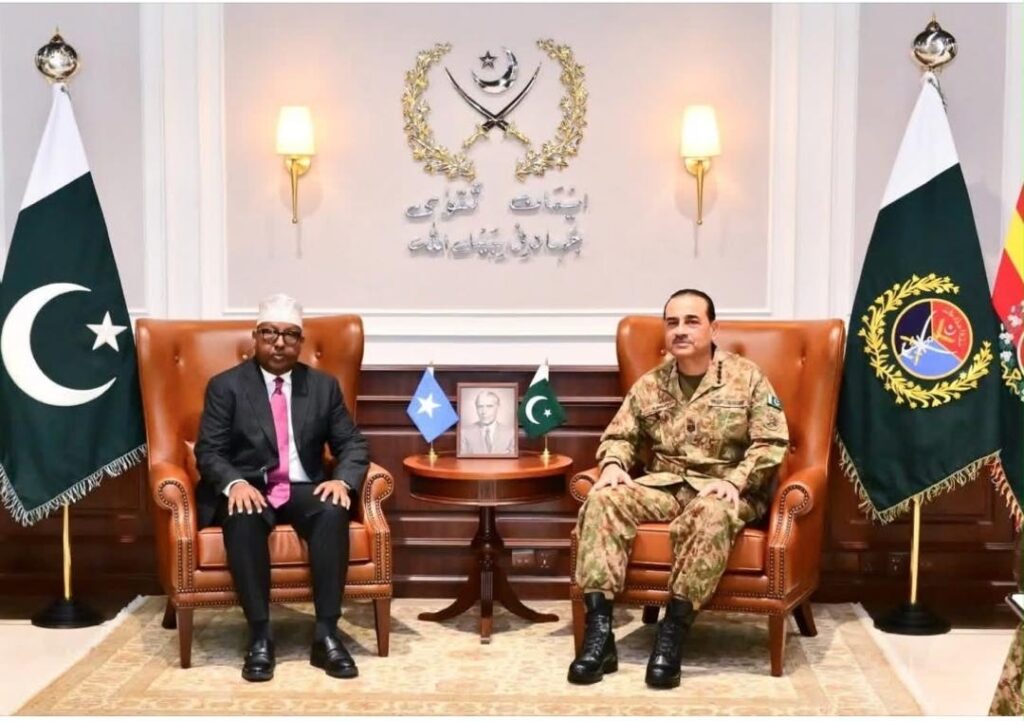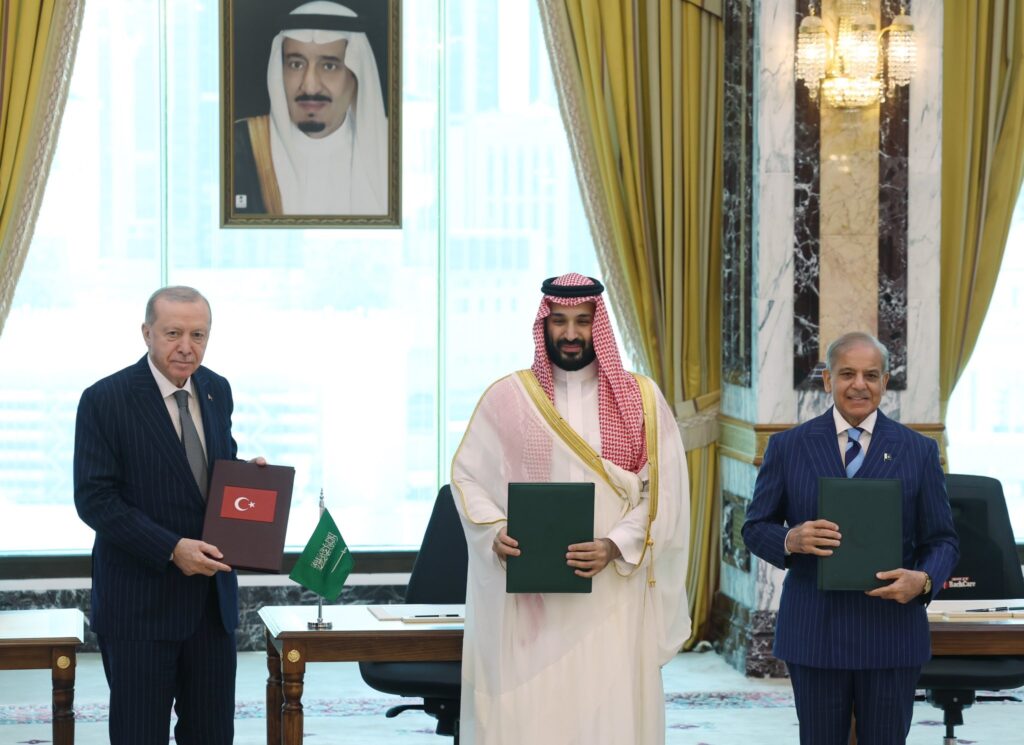
The Makkah Joint Defence Agreement (MJDA), signed by Saudi Arabia, Türkiye, and Pakistan on 7 August 2026, matters less for having already taken a step towards creating a “Muslim NATO” than for capturing a profound shift in West Asia’s strategic psychology. Its central pledge, that an armed attack on one signatory will be regarded as an attack on all three, evokes NATO’s Article 5, while subsequent explanations envisage political-military mechanisms, joint exercises, and cooperation in advanced defence technologies. Yet the agreement remains deliberately elastic: the form of assistance is to be politically determined, and its members insist that it is defensive and compatible with existing alliances.
For the United Arab Emirates (UAE), the agreement poses neither an immediate threat nor an uncomplicated opportunity. Abu Dhabi has so far avoided a conspicuous official reaction. Its deeper concern is whether the pact remains part of a diversified Gulf security network or evolves into a Saudi-centred institution in which Türkiye and Pakistan become indispensable military partners, while the Emirates remains outside its core.