For the Chinese strategic community, Washington’s Indo-Pacific recalibration reflects not retreat but recognition that India’s strategic autonomy and Asia’s complex realities have challenged the strategy’s original assumptions.
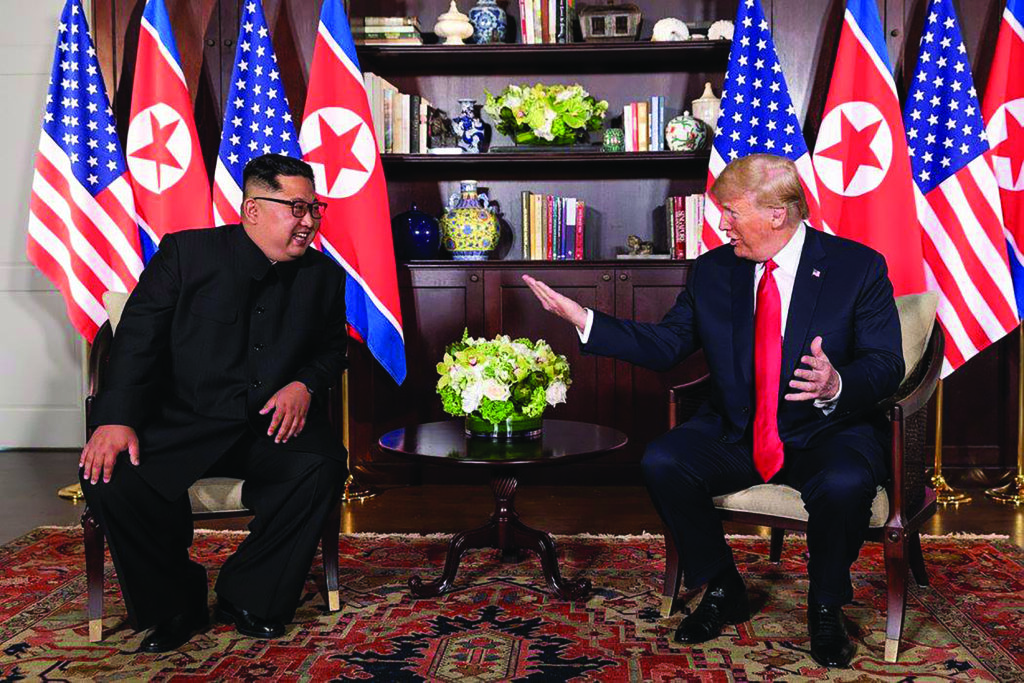
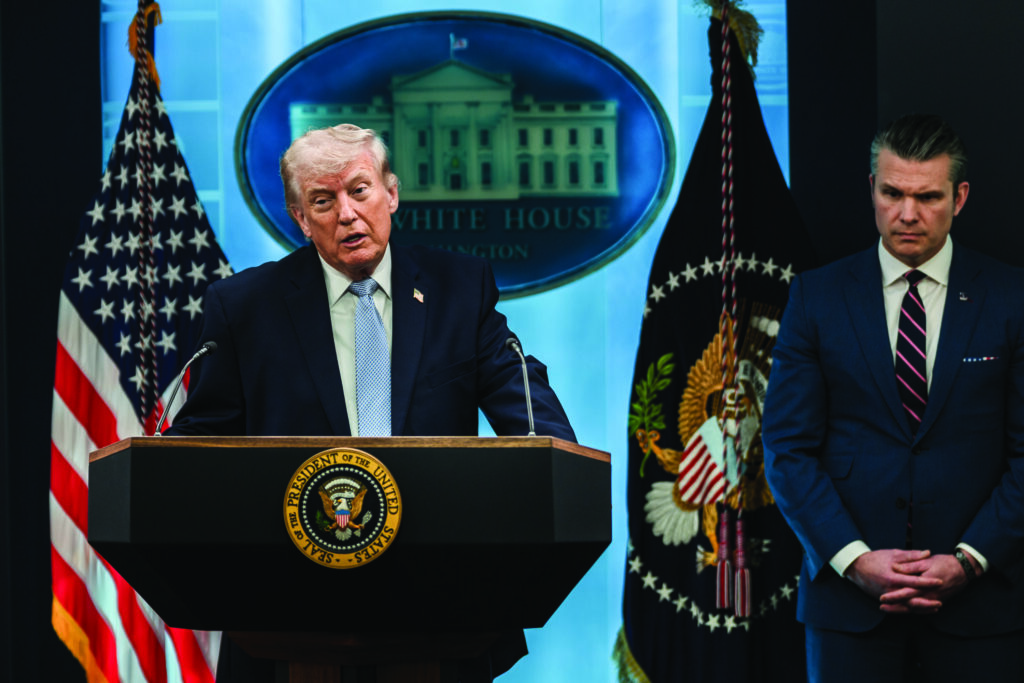
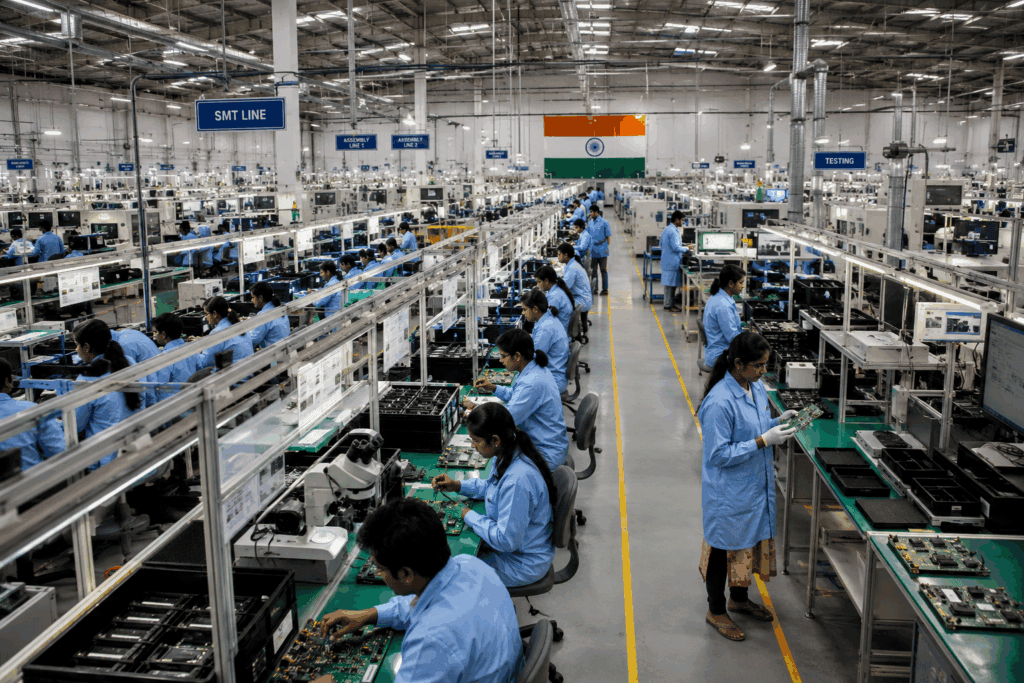
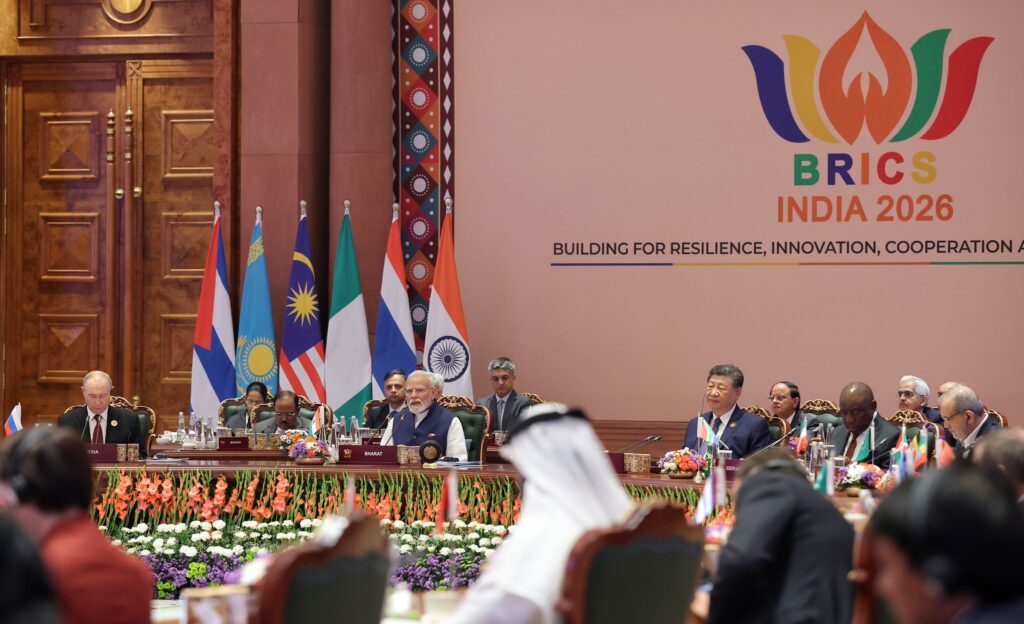
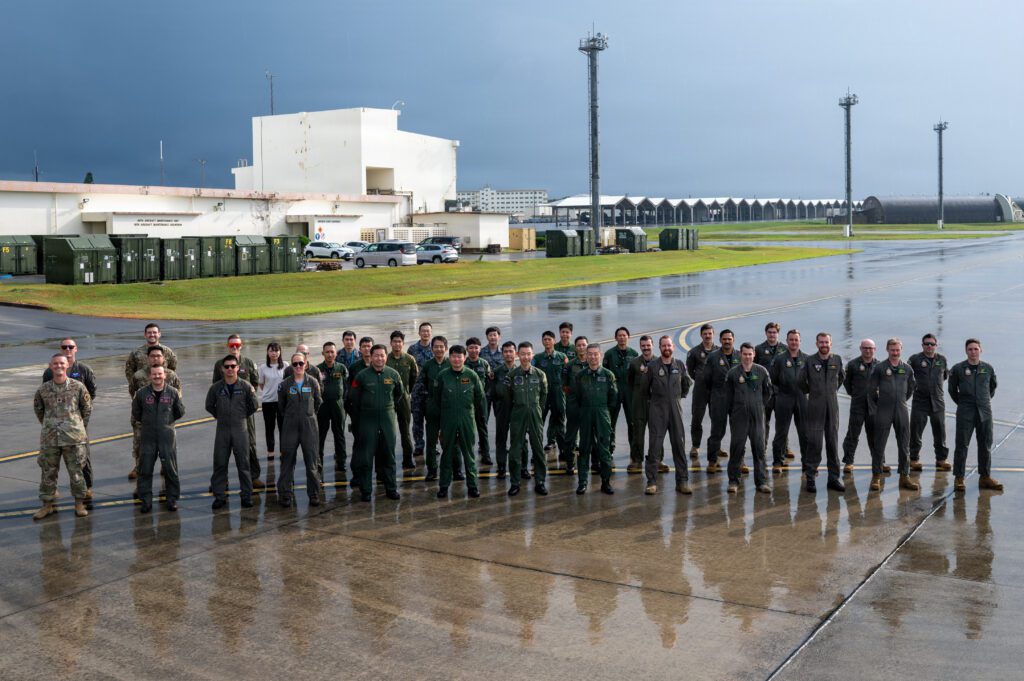
On June 16, 2026, the US Department of War announced that the US Indo-Pacific Command would officially revert to its former name, the Pacific Command, while maintaining the same geographic area of responsibility. Together with his reluctance to bring up the Indo-Pacific strategy since his second term, the strategic redirection pushed many observers to rethink the momentum and efficacy of the strategy. In 2017, the concept of the “Indo-Pacific” became a prominent geopolitical framework and in 2018, the command was renamed the Indo-Pacific Command to reflect a changing geopolitical landscape. The underlying logic of the Indo-Pacific strategy was to position India as a leading regional power and leverage its territorial disputes with China and its differing geopolitical interests from Beijing to construct a new geo-economic and strategic balance of power in the region. However, developments in US–India relations and in the respective relationships between Washington, New Delhi, and Beijing suggest that this strategic assumption was fundamentally flawed when Washington found itself miscalculating New Delhi’s steadfast adherence to strategic autonomy, which precluded a formal military alliance, and New Delhi recognised that joining US strategy risked reducing its own strategic autonomy.