Govt Issues Request for Proposal for Fifth-Generation AMCA Jet
The Ministry of Defence issued the Request for Proposal for the indigenous fifth-generation Advanced Medium Combat Aircraft (AMCA) on 27 May 2026, naming three shortlisted bidders: Tata Advanced Systems, a Bharat Forge-BEML-Data Patterns consortium, and Larsen & Toubro-Bharat Electronics with Dynamatic Technologies. State-run Hindustan Aeronautics was left out, a first for a major Indian fighter programme. The winning partner will build five flying prototypes and one structural test aircraft with the Aeronautical Development Agency at a new facility in Puttaparthi, Andhra Pradesh. The ₹15,000 crore programme targets the first flight by 2032 and deliveries from 2035.
India and Australia Move Towards Defence Co-Production
At the second India-Australia Defence Ministers’ Dialogue in New Delhi on 1 June 2026, Rajnath Singh and Australian Deputy PM Richard Marles agreed to begin work on a Memorandum of Understanding covering the provision of defence articles and services, a step towards co-production of military hardware. They reviewed progress since the October 2025 inaugural round, agreed to advance maritime domain awareness and a Joint Maritime Security Collaboration Roadmap, and looked to greater Indian participation in Exercise Talisman Sabre 2027. Sensor technologies were flagged for joint research.
India and China Hold 35th Border Affairs Dialogue
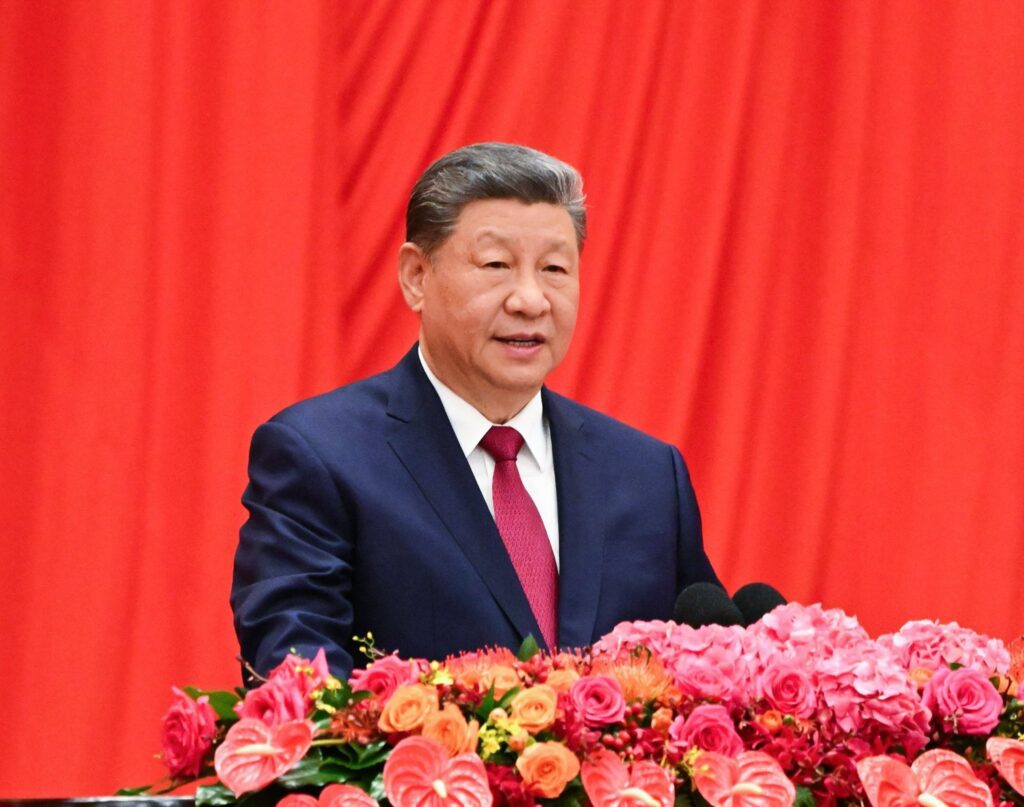
India and China held the 35th meeting of the Working Mechanism for Consultation and Coordination on Border Affairs in Beijing on 27 May 2026, led by Joint Secretary Sujit Ghosh and Director General Hou Yanqi. Both sides reviewed the Line of Actual Control and voiced satisfaction with the calm that has allowed a gradual normalisation of ties. The talks built on the October 2024 disengagement at Depsang and Demchok and the subsequent revival of direct flights, eased visas, and the Kailash-Mansarovar Yatra, and fed into preparations for the next round of Special Representatives’ talks. The signal is steady, careful engagement, even as the boundary stays unresolved and wider competition persists.
India’s Defence Exports Cross $4 Billion
India’s defence exports hit a record ₹38,424 crore, about $4.1 billion, in the year to March 2026, up roughly 63%, with public-sector firms supplying about 55% and exports now reaching more than 80 countries. The surge marks real progress, yet India remains the world’s fifth-largest military spender and second-largest arms importer, so the balance of trade in arms is still heavily lopsided.
India Widens Nuclear Arsenal Lead Over Pakistan: SIPRI
India’s nuclear arsenal grew to about 190 warheads by early 2026, ahead of Pakistan’s estimated 170, as per the SIPRI Yearbook 2026 of 8 June 2026. India’s modernisation is tilting towards longer-range systems aimed at China, and the May 2025 confrontation reportedly saw cyber operations folded into active conflict for the first time, though both sides avoided escalation. India’s $92.1 billion military budget was the fifth-highest in 2025, and it stayed the second-largest arms importer of 2021-25.
Rajnath Singh Unveils DFPDS-2026
On 4 June 2026, Rajnath Singh released DFPDS-2026, delegating revenue procurement powers worth more than ₹1.25 lakh crore a year so field commanders can decide faster. Special financial powers for the service commanders rise sharply, with a doubled ceiling for urgent operational needs and doubled powers for indigenisation and R&D to cut reliance on foreign OEMs. The last such revision was in 2021.
Annual Defence Production Reaches Record ₹1.78 Lakh Crore
India’s annual defence production reached a record ₹1.78 lakh crore in FY2025-26, the highest ever recorded. Growth was driven by expanding private-sector participation alongside defence public sector undertakings, increasing domestic procurement and sustained government support for indigenous manufacturing. The milestone reflects steady progress under the Atmanirbhar Bharat initiative and strengthens India’s ambition to become a major global defence manufacturing hub while reducing long-term dependence on imported military equipment.
First Made-in-India C-295 Completes Maiden Flight
The first India-assembled C-295 transport aircraft completed its maiden flight from the Tata-Airbus line in Vadodara on 10 June 2026, months ahead of schedule. It is the first of 40 to be built in India under a 56-aircraft, ₹21,935 crore order replacing the IAF’s Avro fleet, and the first full military aircraft built by a private Indian firm rather than state-owned HAL. Engines and core avionics stay imported on the early airframes, with indigenous content set to climb across the run.
DRDO Validates ICBM-Class Interception Capability
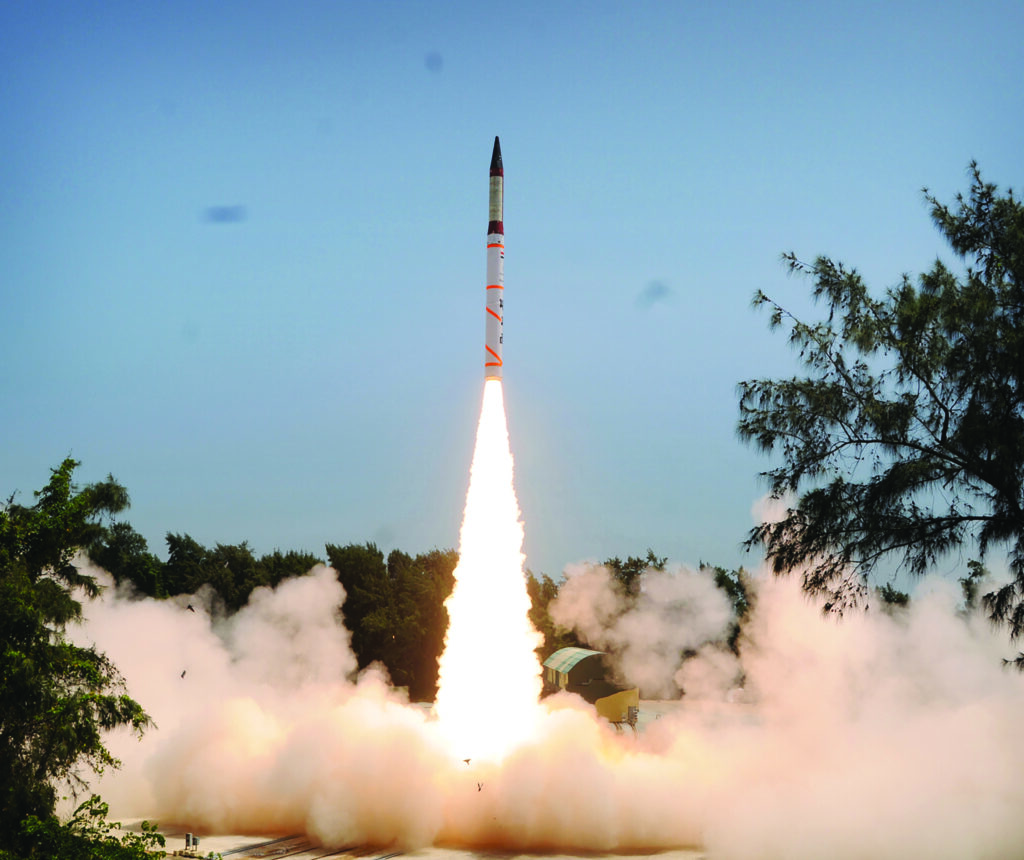
DRDO ran three flight tests on 10 and 11 June 2026 off Chandipur, validating a multi-layered Ballistic Missile Defence system and the maiden trial of the Naval Anti-Ship Missile-Medium Range. The AD-1 and AD-2 interceptors destroyed Agni-series missiles standing in as targets, with the AD-2 reaching the intercontinental class and placing India among the few states with an operational BMD shield, alongside the US, Russia, China and Israel. The 350 km NASM-MR met its requirements, giving ships, aircraft and submarines a new indigenous anti-ship option. The tests followed recent MIRV, scramjet and glide-weapon milestones.
BrahMos Turns 25
BrahMos, India’s supersonic cruise missile, turned 25 on 12 June 2026, a quarter-century after its first test off Chandipur in 2001. The DRDO-Russia system now arms the Army, Navy and Air Force across land, sea and air with indigenous content above 75%, has been exported to the Philippines, with Indonesia and Vietnam ordering, and was used against Pakistani targets during Operation Sindoor. Tested to about 450 km after India joined the Missile Technology Control Regime in 2016, it is now being pushed from Mach 3 towards Mach 5.
Centre Appoints Lt Gen Dhiraj Seth as Next Chief of Army Staff
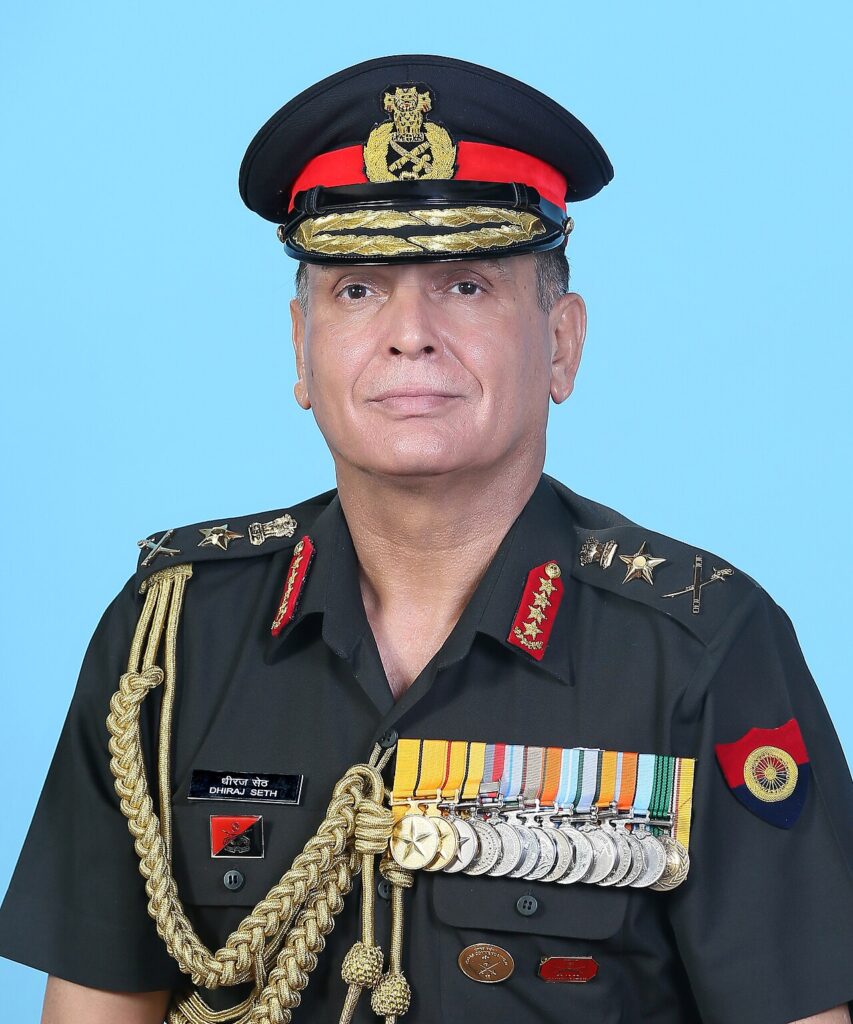
Lt Gen Dhiraj Seth was named the next Chief of Army Staff on 13 June 2026 and takes charge on 30 June, when Gen Upendra Dwivedi retires, for a tenure to August 2028. An Armoured Corps officer commissioned in 1986 and currently Vice Chief, he has led both the South Western and Southern Commands and is closely tied to the Army’s modernisation work. He inherits an agenda blending conventional readiness with theatre-level integration and technology-led warfare.
Ministry Signs ₹425 Crore Contract for Indigenous Marine Gas Turbine Generators
On 19 June 2026, the Ministry of Defence signed a ₹425 crore contract with Bharat Forge Ltd. for the supply of 12 sets of 1.25 MW Marine Gas Turbine Generators for the Indian Navy under the Buy (Indian) category with at least 60% indigenous content. The generators will provide electrical power for critical combat systems aboard frontline warships. The project marks India’s first major indigenous capability in marine gas turbine power generation, reducing dependence on foreign suppliers and strengthening self-reliance in naval technology.
Navy Commissions Three Indigenous Frontline Platforms in Kolkata
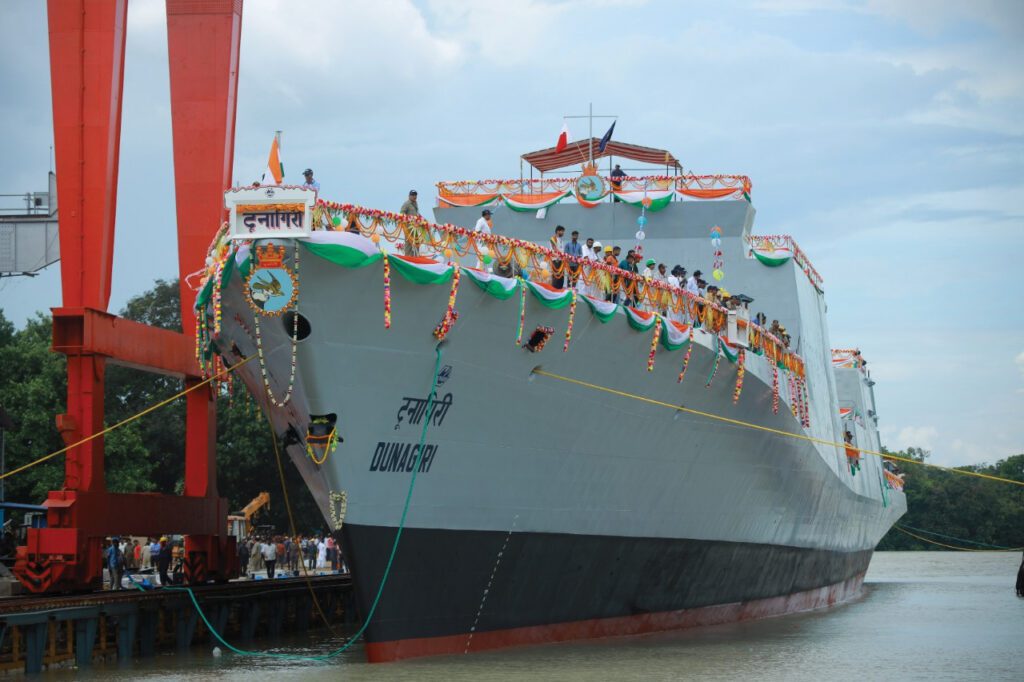
On 21 June 2026, the Indian Navy simultaneously commissioned three indigenously built platforms in Kolkata: INS Dunagiri, the fifth Project 17A stealth frigate; INS Sanshodhak, the fourth Survey Vessel (Large); and INS Agray, the fourth Arnala-class Anti-Submarine Warfare Shallow Water Craft. Built by Garden Reach Shipbuilders & Engineers with more than 75% indigenous content, the three vessels enhance India’s capabilities in maritime combat, hydrographic surveying and coastal anti-submarine warfare. The unprecedented tri-commissioning underscores the growing maturity of India’s naval shipbuilding ecosystem and the steady progress of the Atmanirbhar Bharat initiative.