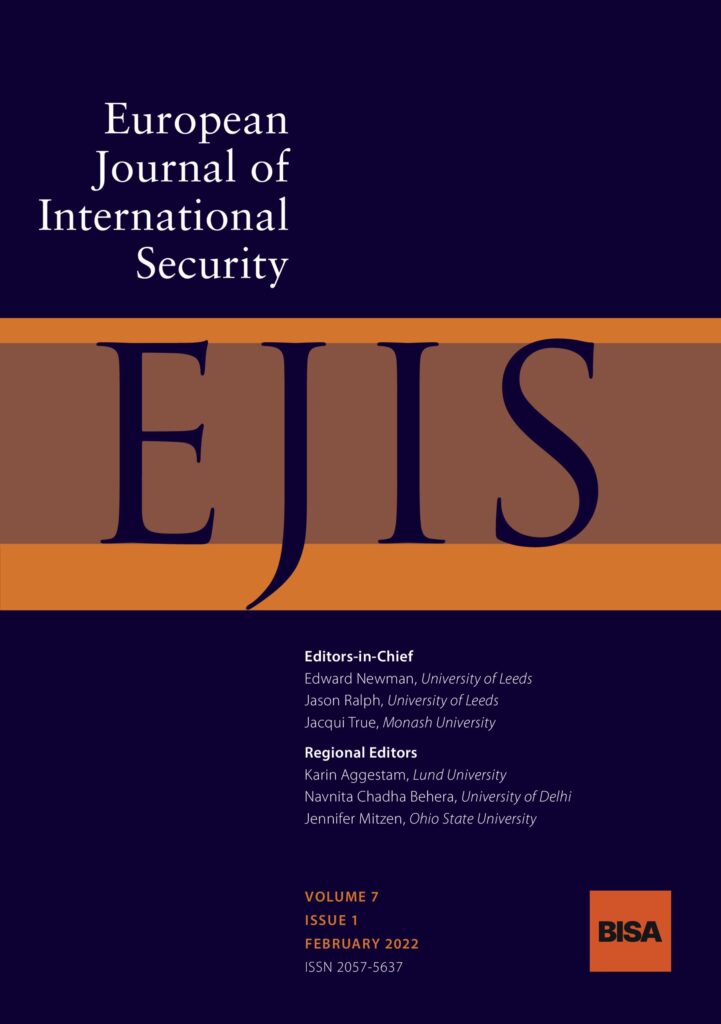
I am delighted to bring you the July 2026 edition of India’s World, on India and the geopolitics of global fashion. If you are wondering what fashion has to do with foreign policy, well, you will see in a few pages.
In June 2025, Prada showcased a pair of toe-braided leather sandals on a Milan runway. They were Kolhapuri chappals with a price tag of a lakh, compared to the few hundred rupees the originals cost in India. Kolhapur, to be precise, has made these sandals for eight hundred years or so. It took Prada one Milan afternoon to make them worth a great deal more, adding nothing to their material make-up. How? That “how?” is the subject of this issue.
The reality is that Indian fashion is all over the world, and its presence is only increasing. We are the world’s second-largest textile exporter, and Khadi crossed ₹1.7 lakh crore in turnover last year and is riding a trade agreement into the British market. It is a good story. But we read these headlines, admire the runway photographs, feel happy, and move on. What we don’t think to ask is the hard question: what is the relationship between the value of what we export and the value of its sale? Or a bigger question of the relationship between culture and power? That is where geopolitics comes in.
Everything that happens in the world has a geopolitical angle
Nandita Abraham opens the issue with a strong argument: India has built the most exportable design capability of any large economy, but never bothered to name it. She reads UPI, Aadhaar, the Amul cooperative, and the Aravind eye hospital as design decisions.
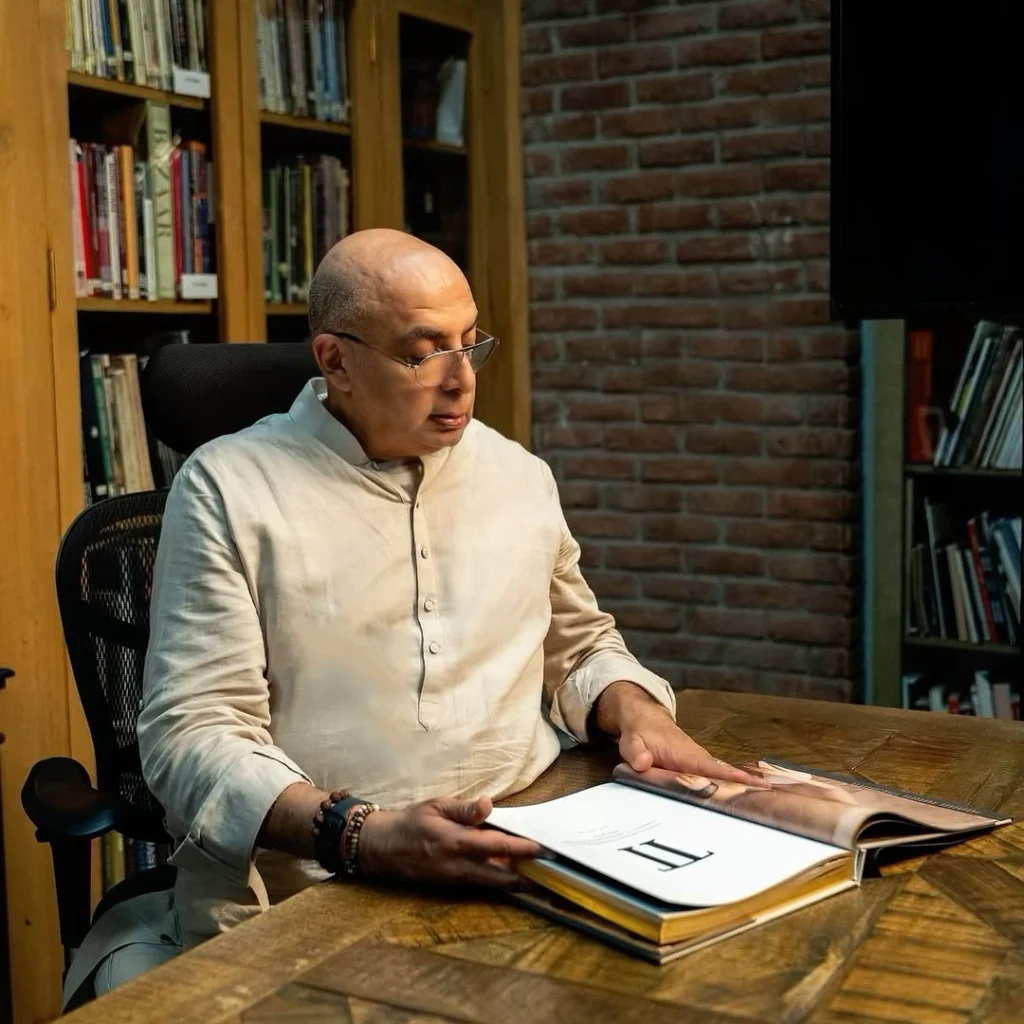
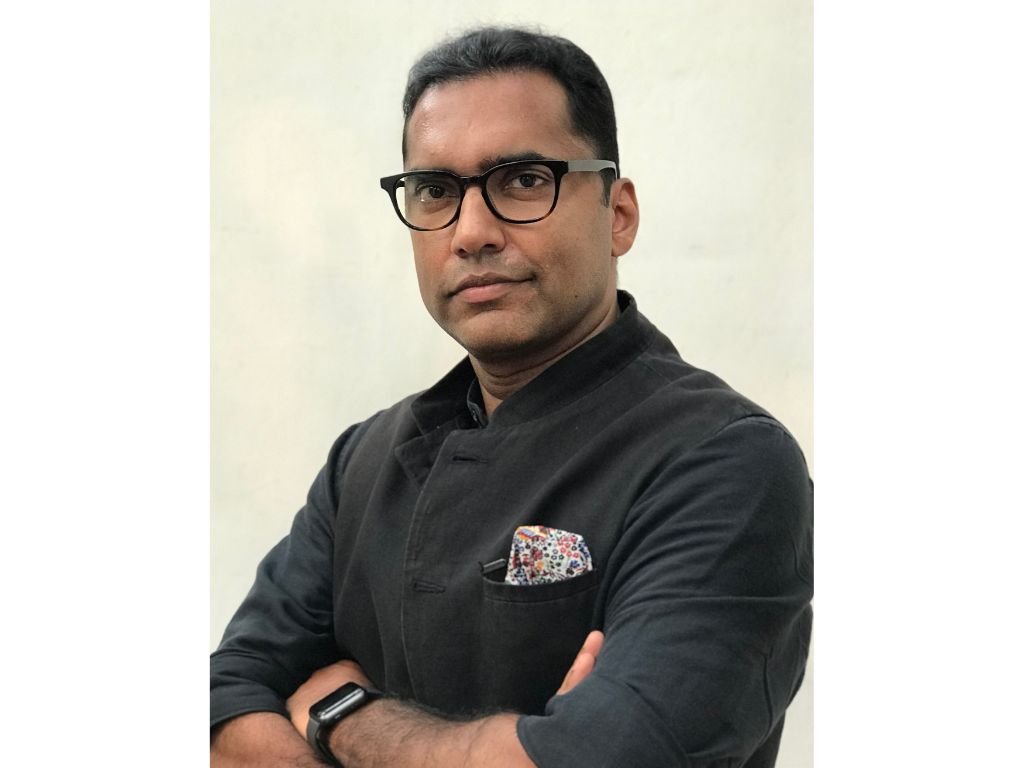
Amit Kumar’s brilliant essay takes us to Changthang, the cold plateau where the pashmina goat roams, to show us that behind the world’s finest fibre sits a herding economy caught between climate change and a harsh border. Malathi and Jayalakshmi argue that free trade agreements alone cannot carry Khadi into the world because access is not yet a market. We have featured Tarun Tahiliani on the cover this time because we found our conversation with him about the geopolitical underpinnings of global fashion and India.
In History, Aparajith Ramnath recovers the globetrotting Indian engineers of the early twentieth century, and Vineet Thakur gives us the story of how the bandhgala became India’s official dress. Chen Zhuo, writing from Shanghai, tells us how Chinese scholarship on India is changing.
Do not miss the Art and Culture section. You would love Manu Sharma’s essay, which argues that the meme has become an instrument of statecraft. My personal favourite this time is Nicholas Rixon’s “Green Fingers, Blue Mind”, a short, lovely essay on a vanishing Anglo-Indian Calcutta. Just goes to show the diversity this huge country is made up of.
If there is one thing I have learned editing this issue is this: Everything that happens in the world has a geopolitical angle.
I hope you enjoy the rich fare of geopolitics, history, theory, diplomacy, art and culture, book reviews, and much more. I look forward to hearing from you. Write to me at editor@indiasworld.in.

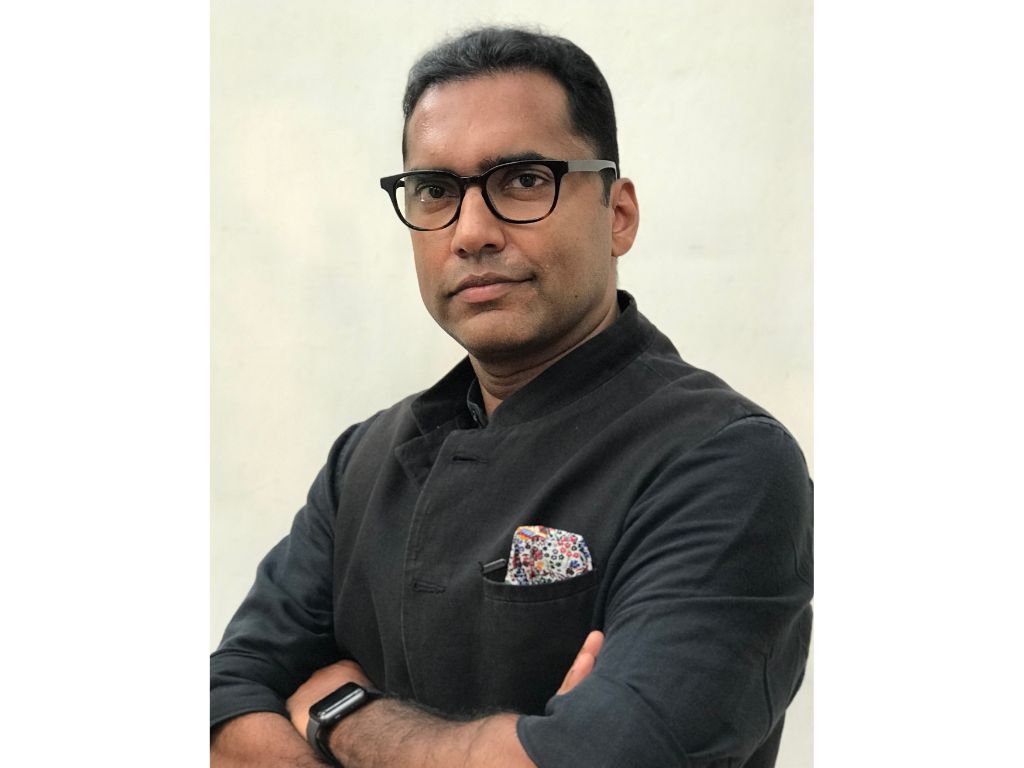
Happymon Jacob