
I am delighted to bring you the August 2026 edition of India’s World, on the Indo-Pacific and whether its moment has passed.
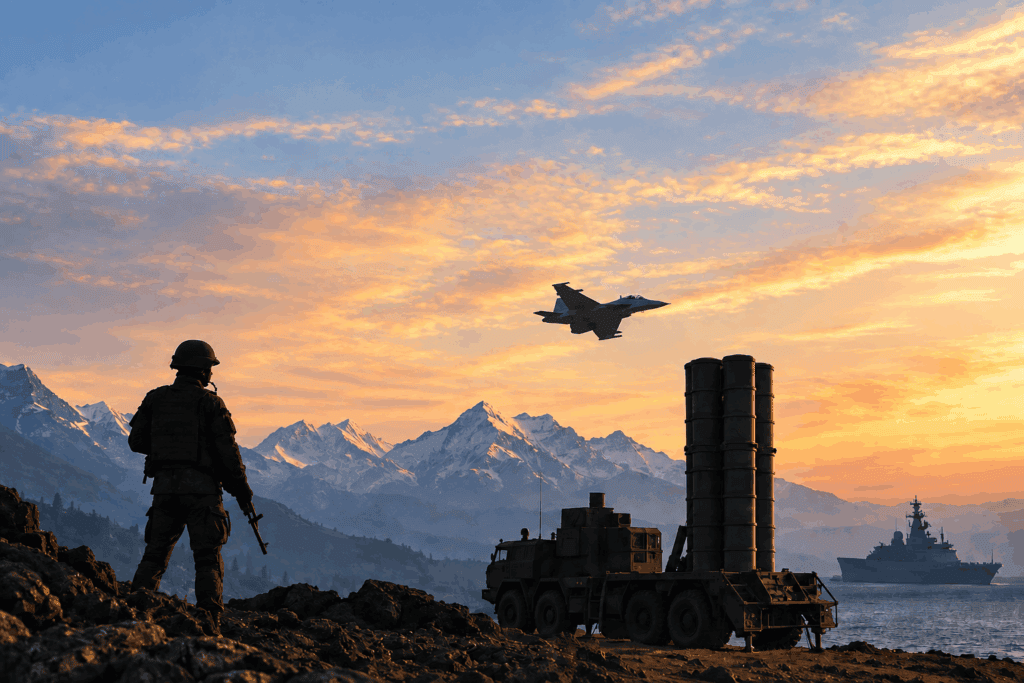
On 16 June, the Pentagon renamed the US Indo-Pacific Command to its original name, the US Pacific Command, the name it had carried from 1947 to 2018. Just a name change, as if a word went missing from a Pentagon letterhead due to a clerical error. That one missing word has led to a great deal of policy commentary on whether it is the end of the Indo-Pacific.
The question many asked was a legitimate one: If a region can be undone by an administrative order, was it ever much of a region to begin with? That question is the subject of this issue.
Darshana Baruah opens the issue with a proposal rather than a lament about the “glorious past” that we hear so much about these days. The region does not need more institutions, she argues, it needs an organising principle, and she offers one: anchors, nodes, and levers.
Our cover story runs in several different directions. Daniel Markey reads Washington’s contradictions and finds that the ambiguity is deliberate rather than accidental, which is the more worrying possibility. Indrani Bagchi argues that the region is recentering rather than fraying, and that what has changed is who is doing the shaping. Rory Medcalf takes us through Australia’s security web and the geography that makes Canberra unable to opt out of this region, even if it wanted to. Manjeet Pardesi goes back several centuries to show that maritime Asia managed order without a hegemon, an argument that is especially useful for our times. Gaurav Saini makes the Indo-Pacific ownership argument rather bluntly and traces the idea back to its Asian authors, not to Washington. Sarabjeet Parmar looks past the rhetoric at the Quad’s actual plumbing and argues that the working groups are in better health than the commentary suggests. Xie Chao, writing from Shanghai, tells us how Beijing read the American strategy, including where it believes Washington misjudged India.
One important argument made by most writers in this issue, I think, is that regions are made by those who cannot leave them behind. Going by that logic, Indo-Pacific will have traction in the region notwithstanding the American mood swings.
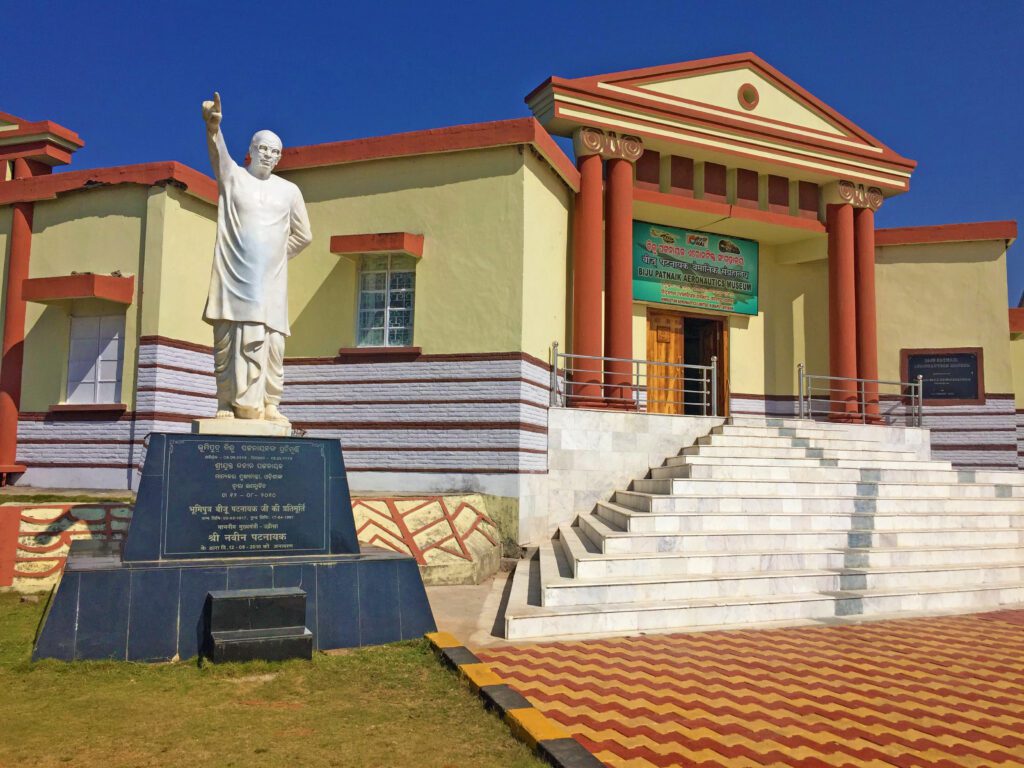
In our History section, Vineet Thakur writes about how, in September 1947, barely a fortnight after independence, thirty-one-year-old Biju Patnaik walked into Stafford Cripps’s office in London with a scheme to buy Britain’s support for Indonesian independence, and how the British mandarins could not decide whether he was a freelancer or a fraud. Nazir Ahmad Mir asks what Abe was trying to do when he invoked Dara Shikoh in the Indian Parliament, and argues that the seventeenth-century attempt to find a shared vocabulary between two traditions has something to teach a region that still cannot agree on what to call itself. Atul Mishra, in his theory piece, explains why some regions are founded and others founder, and his theoretical test is a demanding one—go ahead and read it!
Do not skip our Culture Lens. My personal favourite this time is Shehnab Sahin’s “Bamboo Without Borders”, which begins in a stilted bamboo café in a Mishing village on Majuli and travels to a floating village on Tonle Sap and a Karen settlement in northern Thailand, finding the same plant holding up the same kind of life in all three places. Sahin makes a fine civilisational argument using just a thick grass!
As to whether the Indo-Pacific will survive, only time will tell.
At the beginning of each month, my team and I resolve that we will keep the issue under 45,000 words, and we fail each time, but with a strange sense of happiness! I hope you enjoy the rich fare of geopolitics, history, theory, diplomacy, art and culture, book reviews, and much more.
I look forward to hearing from you. Write to me at editor@indiasworld.in.

Happymon Jacob