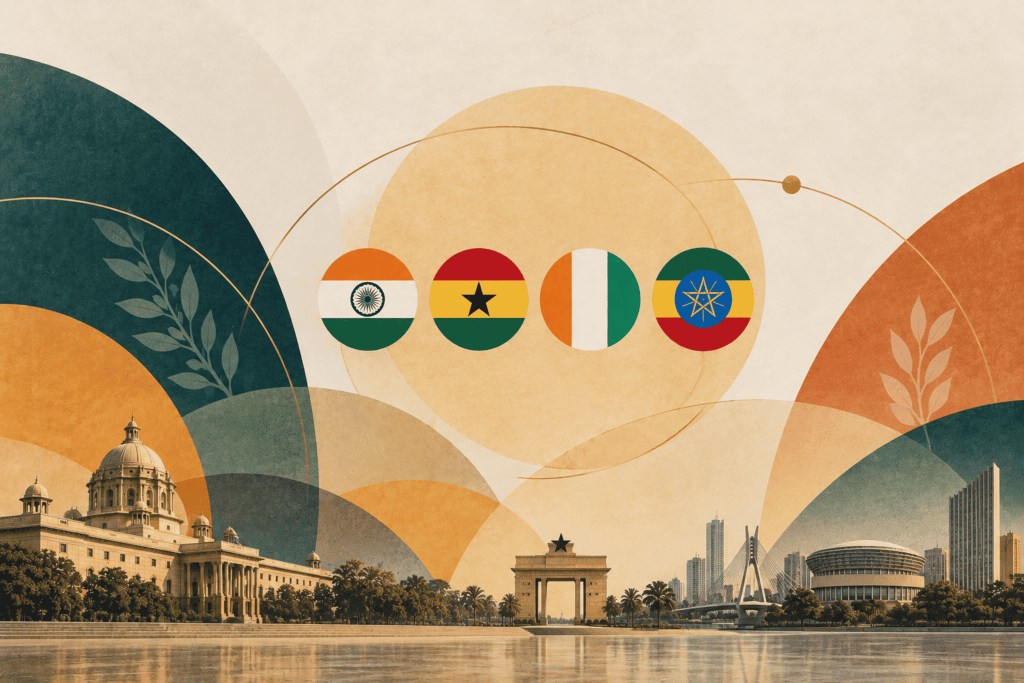
The rapid expansion of artificial intelligence has created a vast but often invisible workforce responsible for training machines. Across the Global South, thousands of workers perform data-labelling tasks that teach AI systems how to identify objects, interpret images, and make decisions. Much of this labour remains poorly understood by the public, despite being essential to the functioning of contemporary AI. In India, these emerging digital economies intersect with older social inequalities, particularly those related to gender, class, and Indigenous communities, raising questions about who shapes technology and whose knowledge is embedded within it.
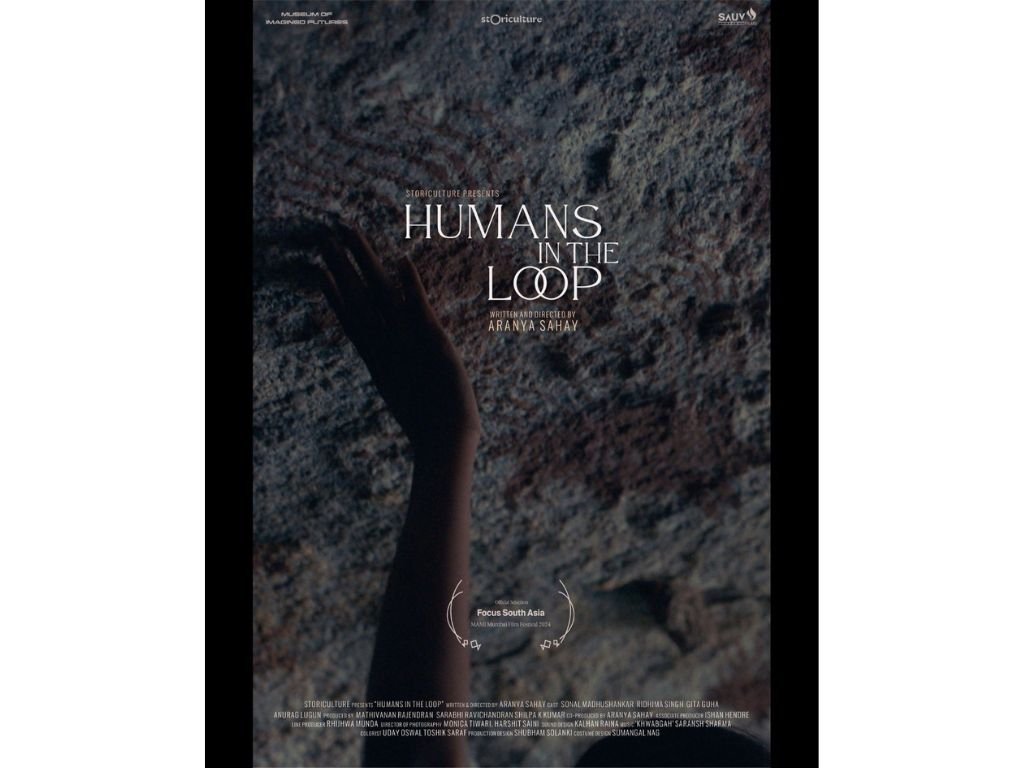
Directed by Aranya Sahay, Humans in the Loop explores these themes through the story of Nehma, a young Adivasi woman from Jharkhand who works at a data-labelling centre while raising her children as a single mother. Branded a Dukhni because of her informal marriage, Nehma navigates both social stigma and economic precarity. The film juxtaposes the logic of artificial intelligence with the wisdom of the natural world, presenting AI as a system that learns through human intervention while nature exists as a self-sustaining source of knowledge. One of the film’s most striking moments occurs when Nehma refuses to classify a caterpillar as a pest, arguing that it performs a necessary role within the ecosystem. Through such scenes, the documentary examines how technology is shaped by human assumptions and biases. The recurring image of the porcupine also serves as a powerful metaphor for Nehma herself—resilient, protective, and quietly defiant.
More than a film about artificial intelligence, Humans in the Loop is a meditation on invisible labour, dignity, and the people who make technological progress possible. Its strength lies in connecting global debates about AI ethics with the everyday realities of marginalised communities. By centring the experiences of an Adivasi woman rarely represented on screen, the film offers a fresh perspective on both technology and social inequality. It is a compelling and thought-provoking watch that reminds audiences that behind every intelligent machine are human beings whose stories often remain unseen.