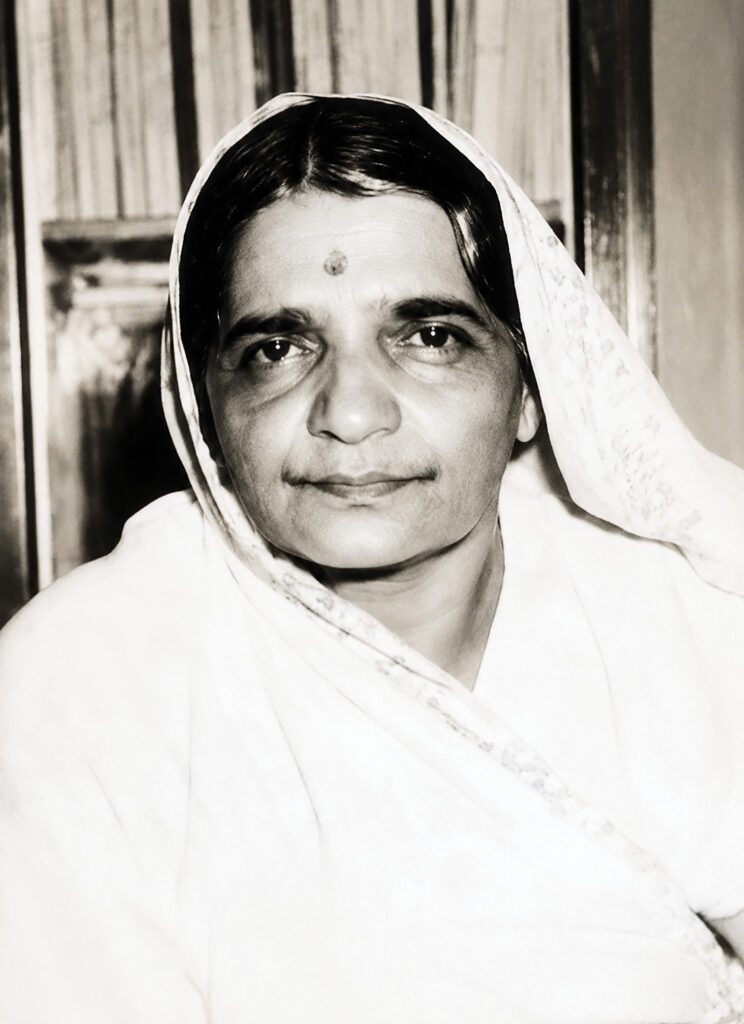
Hansa Mehta was an Indian freedom fighter, educationist, women’s rights and human rights activist, and diplomat. She was a member of the Constituent Assembly of India and a delegate to the United Nations Commission on Human Rights. She is best remembered for successfully advocating the replacement of the phrase “All men are born free and equal” with the gender-neutral “All human beings are born free and equal” in the Universal Declaration of Human Rights.
Born on 3 July 1897 in Surat, into a Gujarati Nagar Brahmin family, as the second daughter of Sir Manubhai Mehta and his first wife Harshadagauri Mehta, Hansa Mehta enjoyed the privilege of growing up in one of western India’s most intellectually vibrant families. Her father, a philosophy professor, served as the Dewan of Baroda state from 1916 to 1927 and as Prime Minister of Bikaner State from 1927 to 1934. Her grandfather, Nandshankar Mehta, was a social reformer, civil servant, and author of the first Gujarati novel, Karan Ghelo.
Mehta received her school education at an all-girls’ high school in Baroda. In 1918, she completed her undergraduate degree in Philosophy from Baroda College. In 1919, she travelled to Britain and joined the London School of Economics to study journalism and sociology.
It was her 1920 meeting with Sarojini Naidu in London that launched Mehta’s political career as a freedom fighter and activist. She travelled with Naidu to Geneva in the same year to attend the Eighth Conference of the International Woman Suffrage Alliance as one of the Indian delegates. Three years later, in 1923, Mehta travelled to New York to study the American higher education system. She visited various women’s colleges in the United States to gather ideas for improving women’s education in India.
In 1924, Mehta married Dr Jivraj Mehta, who held a medical degree from the University of London, creating a “mild sensation” because of Jivraj’s Bania caste background. Jivraj Mehta later served as the Dewan of Baroda State, the first Chief Minister of Gujarat, and India’s High Commissioner to the United Kingdom.
During the period of anti-colonial struggle, Mehta emerged as a strong advocate of women’s education and legal equality. In 1927, Mehta became one of the founding members of the All India Women’s Conference (AIWC), and she later served as its President. Through her AIWC activism, Mehta played a major role in Indian politics, leading to her election as a member of the Bombay Legislative Council in 1937, and later, in 1946, as one of the 15 women members of the Constituent Assembly responsible for drafting the Constitution of India.
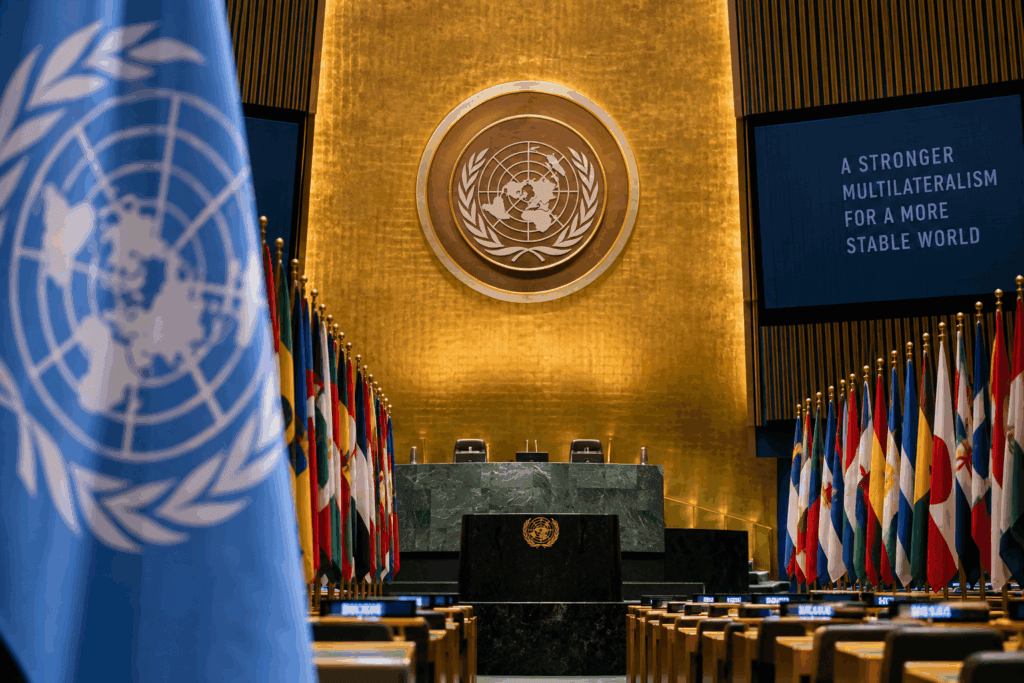
In 1946, Mehta was selected as India’s chief representative and one of the only two women delegates to the United Nations Commission on Human Rights. She also served as a member of the UN Sub-Commission on the Status of Women and Vice-Chair of the UN Human Rights Commission during the drafting of the Universal Declaration of Human Rights. Mehta argued for gender-neutral language and ensured a more inclusive framework in the UDHR. From 1958 to 1960, she served as India’s representative on the UNESCO Executive Board.
Mehta also served as the Vice-Chancellor of SNDT Women’s University (1946–1948), Bombay, and the Maharaja Sayajirao University of Baroda(1949–1958). The Government of India awarded her the Padma Bhushan in 1959 in recognition of her valuable contributions to nation-building. She died in 1995, at the age of 97, in Bombay.