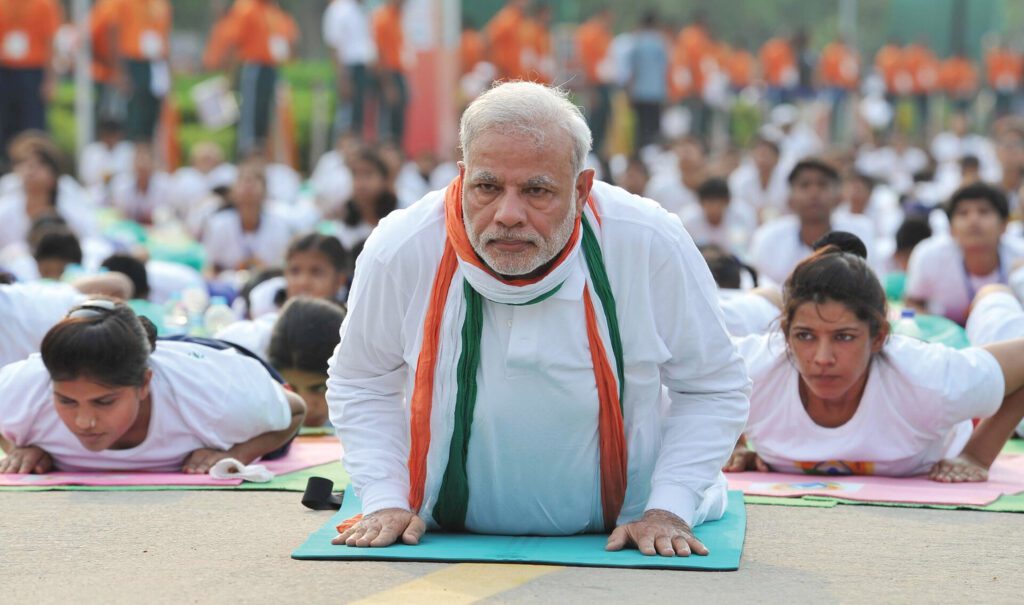
Yoga. Gandhi. Bollywood. Buddhism. Democracy. India inherited an extraordinary reservoir of cultural attractions. Yet nations are admired not simply for what they possess, but for what they represent. Influence ultimately depends on perception and consistency. Is India becoming its own biggest soft power challenge?
Three misconceptions are common about soft power in India’s foreign policy discourse. First, that soft power is “soft”, or unserious. Second, that the possession of soft power resources is the same as having soft power. And third, that soft power can be a substitute for hard power. We will tackle the first two in this column, and start by going back to the concept’s origins.
The word itself was coined in 1990 by the late American scholar Joseph Nye, who wanted to say that the Cold War’s end marked a change in the currency of power. Hard military power was becoming less effective, and another form of power, which he called co-optive or soft power, had tailwinds. It is likely that had Nye used “co-optive” as the primary word rather than “soft”, the confusion that soft power meant unserious power could have been avoided, for few need to be convinced that ordering or controlling, the features of hard power, are easier than co-opting someone.