Decoding the vocabulary of statecraft.
Fait accompli
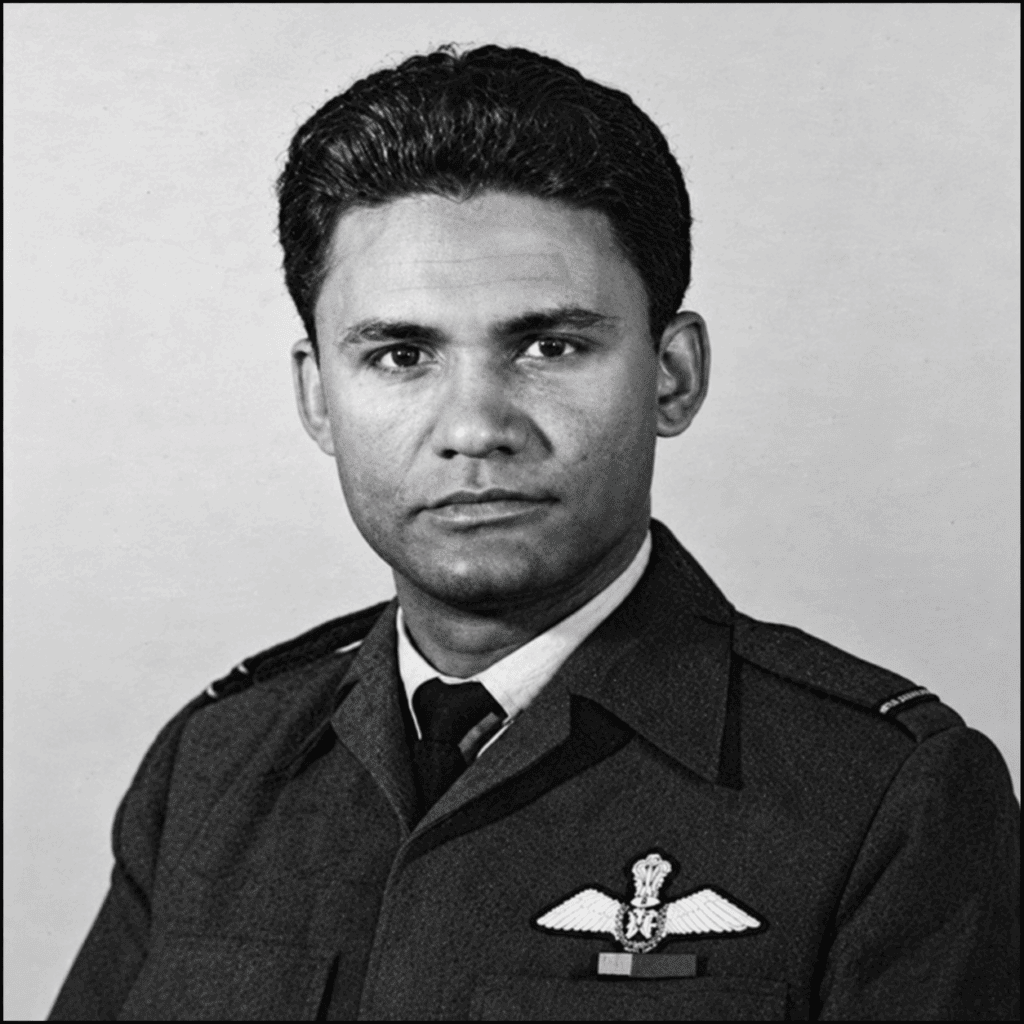
| Kishan Rana is a former Indian diplomat who served as ambassador to Algeria, Czechoslovakia, Kenya, Mauritius, and Germany, besides postings in China and Prime Minister Indira Gandhi’s office. | Rajeesh Kumar, Research Fellow and Coordinator, Africa, Latin America, Caribbean and UN Centre, Manohar Parrikar Institute for Defence Studies and Analyses, New Delhi |
| Fait accompli (French) literally means “something accomplished” that is unchangeable. In diplomacy, it implies that a country or entity has to deal with a situation, which is that reality, and adapt. It suggests that someone has missed the bus. It is better to be the one who has executed such an action than to become a victim. Diplomacy entails devising workarounds to reach one’s goal. | Fait accompli refers to a situation in which a state/actor changes the status quo through unilateral action, making any attempt to reverse the change politically, diplomatically or militarily costly. Germany’s remilitarization of the Rhineland in 1936 is a historical example, while Russia’s annexation of Crimea in 2014 is a contemporary one. Similar actions may emerge in future great power competition, particularly over Taiwan or in the South China Sea. |