Canadian Prime Minister Mark Carney’s speech at the World Economic Forum in Davos in January 2026 revived the debate over middle powers and their role in a changing international order. He argued that countries such as Canada must work together to protect their interests amid intensifying great-power rivalry. The debate has since acquired an Indian dimension. Speaking at the Bloomberg New Economy Forum in New Delhi on 14 October, External Affairs Minister S. Jaishankar questioned whether the label adequately described India, calling it one of the “powers in the middle”. His remarks reignited a debate over India’s place in the global hierarchy.
India Is a Middle Power
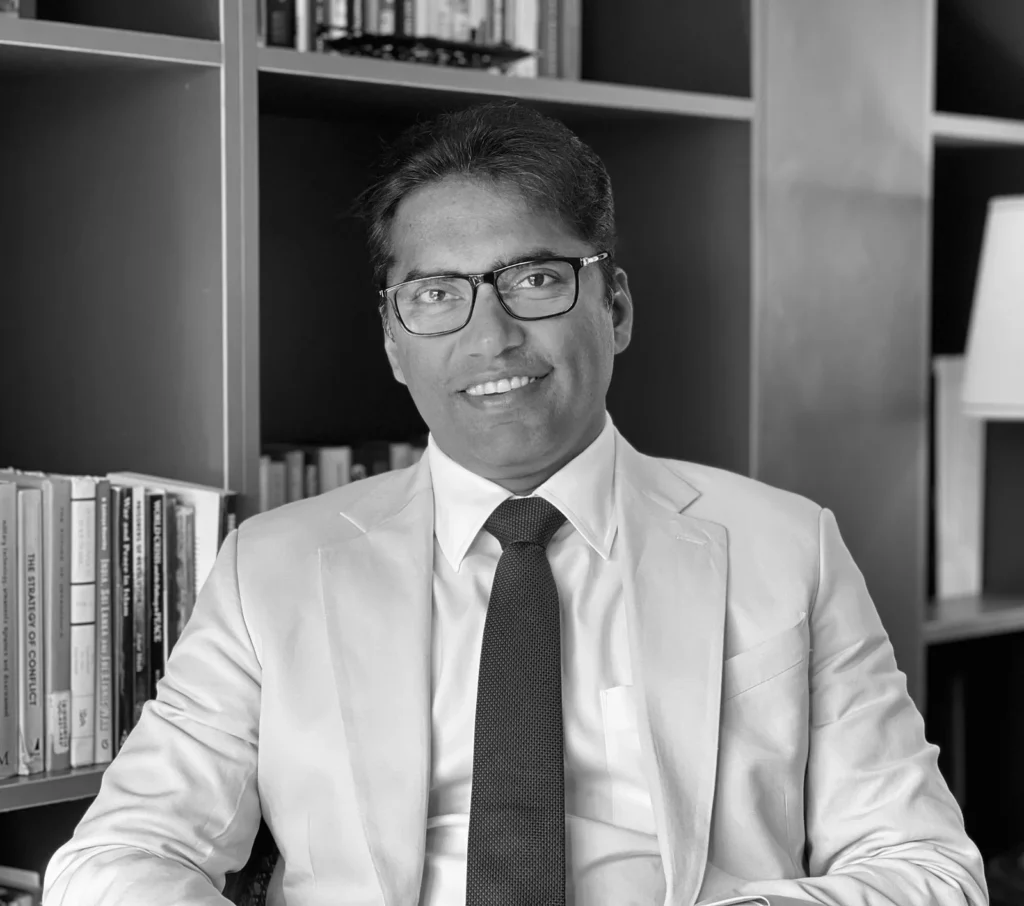
“So expect New Delhi to sit in the middle power room, use the middle (and emerging) power vocabulary, and sign the declarations. India is a middle power that wants to be a pole, and until it gets there, it will behave like a middle power whenever that is useful.”
Happymon Jacob, X, 12 October 2026.
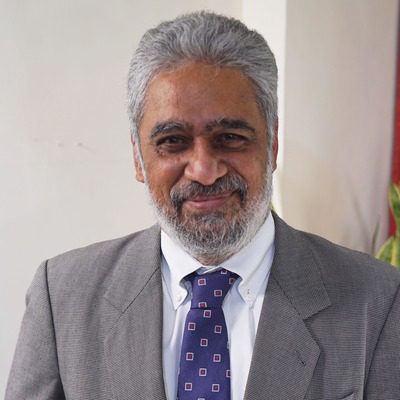
“India’s fast-growing economy and expanding comprehensive national power make it more than a middle power; in fact, it has the potential to be a great power, albeit one facing significant constraints… Although low per capita income constrains its great power ambitions, its status as the largest middle power is assured for the foreseeable future.”
C. Raja Mohan, Belfer Center, 20 November 2025.
India Is Not a Middle Power
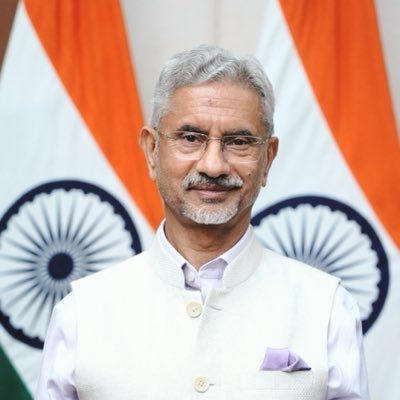
“More than a middle power, in a way, we are powers in the middle. What would really define a middle power? To use the Prime Minister’s words, the countries who have the power to empower. … Would India be a middle power? It’s not a comfortable description because if you are the most populous country in the world, you have a GDP of $4 trillion, give or take, and you have a lot of growth ahead of you, staring you in the face, then the middle power somehow seems to be limiting itself by that definition.”
S. Jaishankar, Bloomberg New Economy Forum, 14 October 2026.
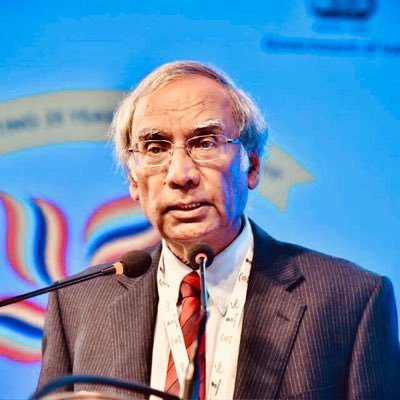
“Is India a middle power? I have argued the ‘no’ side. Now, we have an authentic answer from EAM. Given India’s population, size of economy, and future potential, ‘the middle power (label) somehow seems to be limiting itself by that definition’. India is ‘a power in the middle’.”
Rajiv Bhatia, X, 18 October 2026.
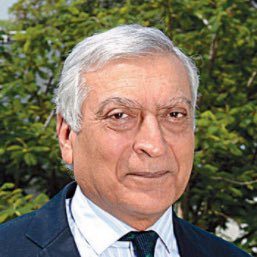
“India is not a middle power and should not identify itself as such. We have of course some way to go to reach our due status as a power. But we should not endorse any classification of India as a middle power.”
Kanwal Sibal, X, 14 October 2026.
Action Over Labels
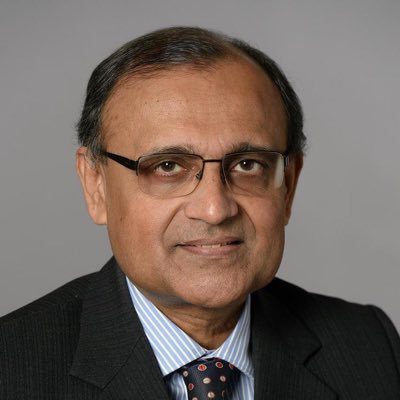
“Middle powers are quite simply those big enough to influence geopolitics globally or regionally and willing to use that power to do so. It is both capability & will to use it. India certainly has capability. But we have just started exercising our will.”
T. S. Tirumurti, X, 18 October 2026.
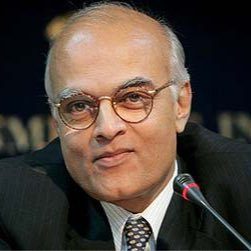
“The concept of middle powers, like that of the Global South or Third World, is hard to define. … India’s diplomatic tradition has traditionally emphasized the importance of preserving policy space and the ability to engage across divisions rather than being locked into an alignment.… Engaging with middle powers, whether they wish to be called that or not, will thus come naturally to India, as will the attempt to enlarge the room for positive action in the international system.”
Shivshankar Menon, Global Asia, 2026.

“Middle power is a euphemism for vassals or states without real sovereignty. ‘Power in the middle’ suggests India as a state trapped or as a piece on the geopolitical chessboard. The purpose of a geopolitical identity is to convey a state’s essence and role.”
Zorawar Daulet Singh, X, 18 October 2026.