Surrealism always demanded attention, and Andre Breton, in his 1924 Manifesto of Surrealism, ensured the world knew it. The positivist, realist world that had dominated thought until then had brought humans to the brink. Reason had led humanity to the First World War. Hate had triumphed, mediocrity thrived, and human beings, deprived of intellectual and moral advancement, had grown dull. Breton declared his renunciation of such a world, turning instead to the dominion of dreams.
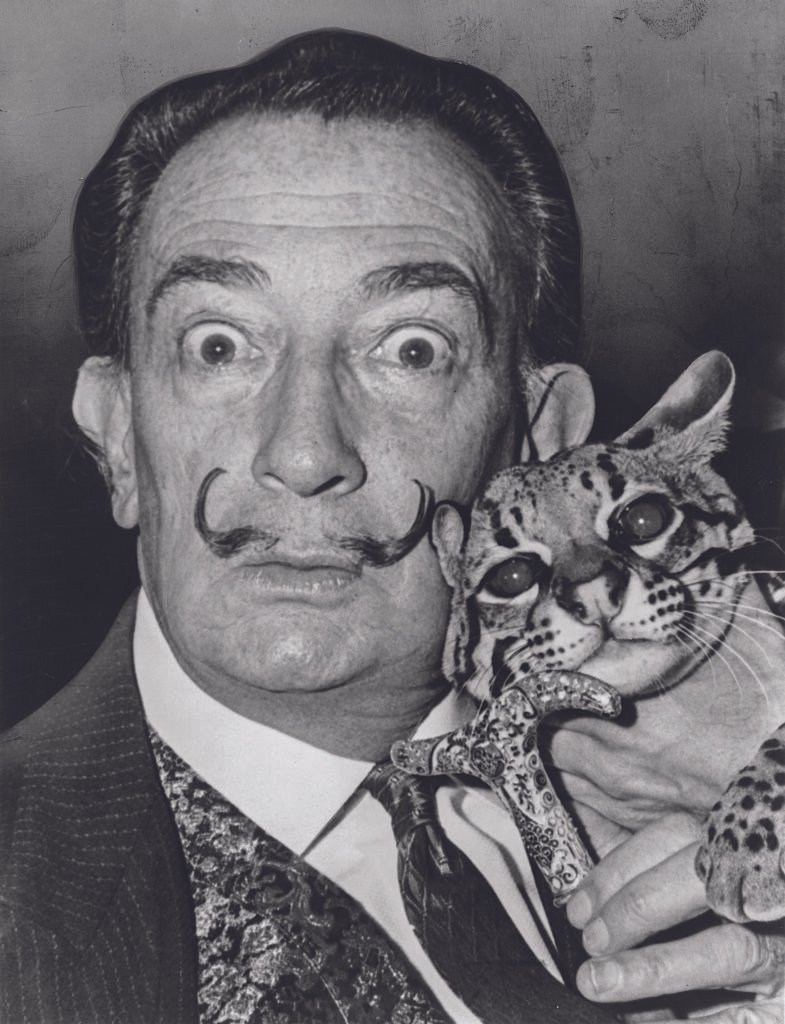
In early February, Delhi learned that Breton’s vision had come to its doorstep. Salvador Dali was coming to the city, we were told. Christine Argillet, daughter of Pierre Argillet, Dalí’s long-time collaborator, had brought his etchings and prints to the city. Across the city, in its dispersed cultural enclaves, one sensed the low hum of anticipation: Dalí had come to Delhi, we kept repeating to one another. For many of us, this suggested a rare proximity to genius. A rare encounter with authenticity.