DRC Assumes UNSC Presidency
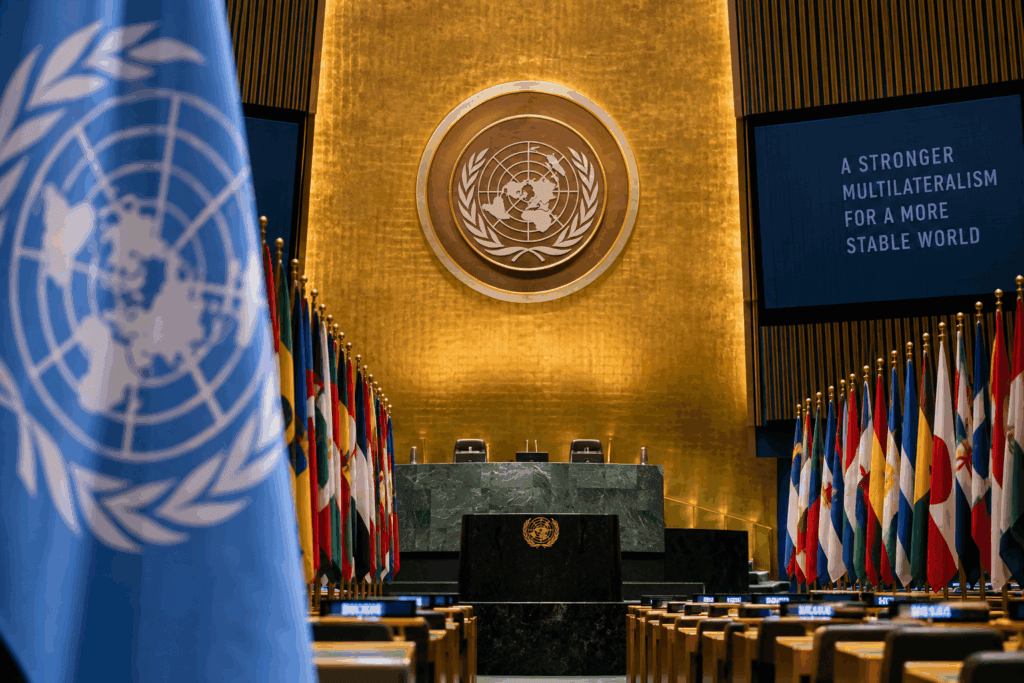
The Development: On 1 July 2026, the Democratic Republic of the Congo (DRC) assumed the rotating presidency of the UN Security Council. President Félix Tshisekedi and Prime Minister Judith Suminwa Tuluka convened signature high-level open debates in New York focused on natural resource governance and strengthening international legal frameworks against conflict-related sexual violence (CRSV).
The Take: Kinshasa is using its Security Council platform to reframe the conflict in eastern DRC from an isolated humanitarian crisis into a structural regulatory issue regarding critical minerals. By directly linking illicit mineral extraction to regional instability, the DRC seeks to enforce greater international supply-chain oversight on foreign markets.
SADC Pushes Regional Energy Integration
The Development: On 17 July 2026, ministers from the Southern African Development Community (SADC) convened in Pretoria, South Africa, for the 44th Joint Meeting of Ministers Responsible for Energy and Water. Member states formally committed to accelerating cross-border electricity interconnections, joint water basin management, and regional critical mineral processing frameworks ahead of the upcoming SADC Summit.
The Take: Southern African states are attempting to insulate themselves against climate-driven droughts and energy shortfalls by pooling infrastructural resources. The strategic push aims to shift the bloc away from raw material export vulnerability toward integrated regional industrial hubs.
CARICOM Strengthens Regional Connectivity
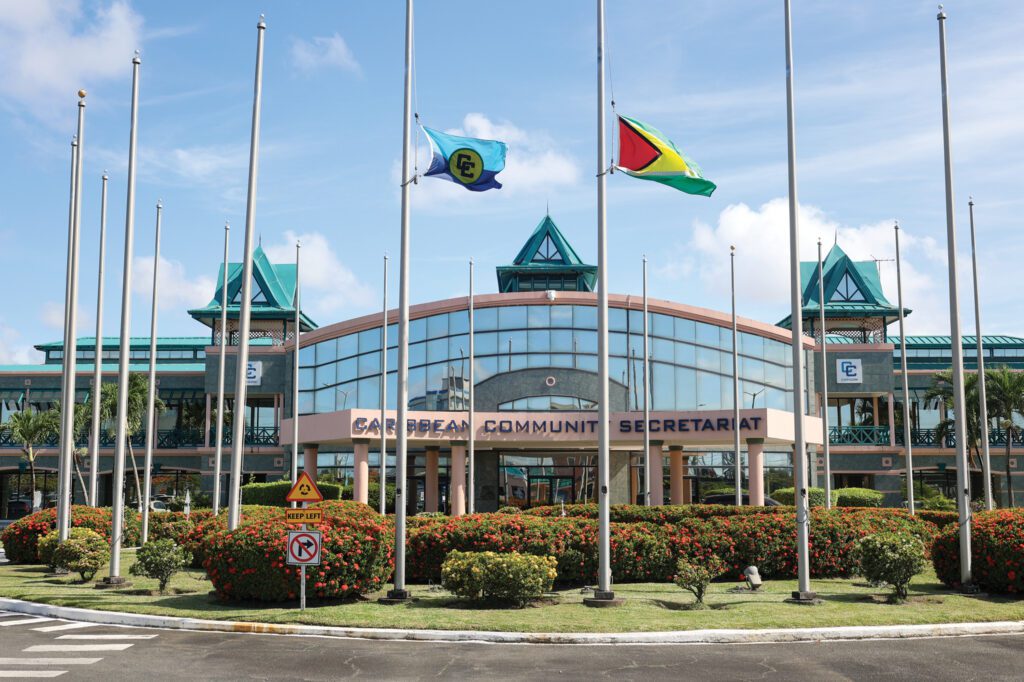
The Development: From 5 to 8 July 2026, Caribbean leaders assembled in Gros Islet, Saint Lucia, for the 51st Regular Meeting of the Conference of Heads of Government of CARICOM. Chaired by Saint Lucia’s Prime Minister Philip J. Pierre, the summit established concrete operational commitments around intra-regional transportation, fuel tax adjustments, and joint food security goals.
The Take: CARICOM is prioritising pragmatic intra-regional logistics over symbolic policy declarations. By building dedicated shipping ferry networks and energy buffers, Caribbean nations are strengthening internal trade resilience to mitigate external economic shocks.
Global South Braces for Super El Niño
The Development: Forecasts released in late July indicate an 81% probability that a powerful Super El Niño will develop later this year. Governments across Asia, Africa, and Latin America are preparing for droughts, food shortages, inflationary pressures and electricity disruptions as weather patterns threaten agriculture and hydropower generation.
The Take: Climate volatility is increasingly becoming a macroeconomic challenge for the Global South. Beyond humanitarian concerns, prolonged drought and food inflation could influence monetary policy, fiscal stability and political resilience across several emerging economies.
ASEAN Advances Digital Integration
The Development: From 18 to 24 July 2026, Foreign Ministers across Southeast Asia gathered in Manila, Philippines, for the 59th ASEAN Foreign Ministers’ Meeting (AMM) under the 2026 Philippine ASEAN Chairmanship. Agenda priorities included implementation targets for the Digital Economy Framework Agreement (DEFA), ASEAN 2045 planning, and consultations on Myanmar’s Five-Point Consensus.
The Take: Southeast Asia is using intra-bloc digital and economic integration to shield regional growth from broader geopolitical fragmentation. Accelerating the DEFA agreement serves as ASEAN’s central mechanism to maintain trade cohesion and supply-chain neutrality.
Australia–Fiji Sign Defence Pact
The Development: On 6 July 2026, Australian Prime Minister Anthony Albanese and Fijian Prime Minister Sitiveni Rabuka met in Suva to sign the Vuvale Union and the Ocean of Peace Alliance (Veitacini Mutual Defence Treaty). The Ocean of Peace Alliance is Fiji’s first mutual defence treaty, enhancing joint security operations, intelligence sharing, and maritime domain enforcement.
The Take: The pact marks a fundamental defence realignment in the South Pacific. By establishing a binding mutual defence treaty with Suva, Canberra solidifies its position as a primary security provider in the region, while Fiji translates its “Ocean of Peace” doctrine into an institutionalised security partnership.
Colombia Elects Conservative President
The Development: On 21 June 2026, conservative lawyer and businessman Abelardo de la Espriella won Colombia’s presidential runoff election, defeating left-wing Senator Iván Cepeda. Endorsed by US President Donald Trump, de la Espriella campaigned on restoring investor confidence, strengthening security, expanding oil and gas development, and rebuilding ties with Washington after four years of President Gustavo Petro’s left-wing administration. The result marked Colombia’s sharpest political shift in more than a decade.
The Take: The election signals a significant realignment in Latin American geopolitics. A de la Espriella administration is expected to pursue a more market-oriented economic agenda, deepen strategic cooperation with the United States, and reverse several flagship policies of the Petro government, particularly on energy and security. Beyond Colombia, the outcome reinforces a broader regional trend of ideological swings that continue to reshape political and economic alignments across Latin America.