What happens to the trees leaders plant during diplomatic events? Their roots may carry a story that outlasts the ceremony, the photograph, and even the leader who planted them.
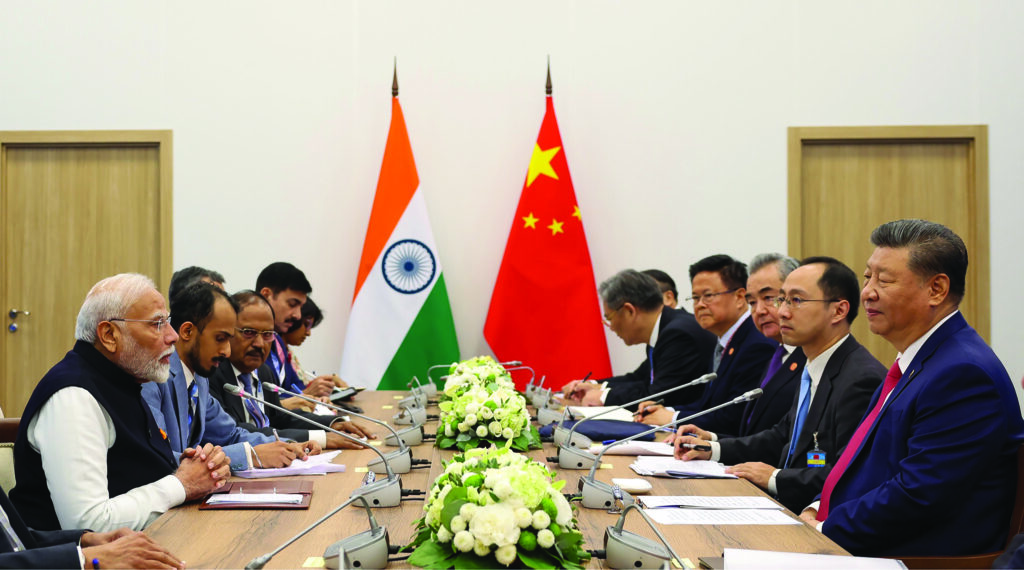
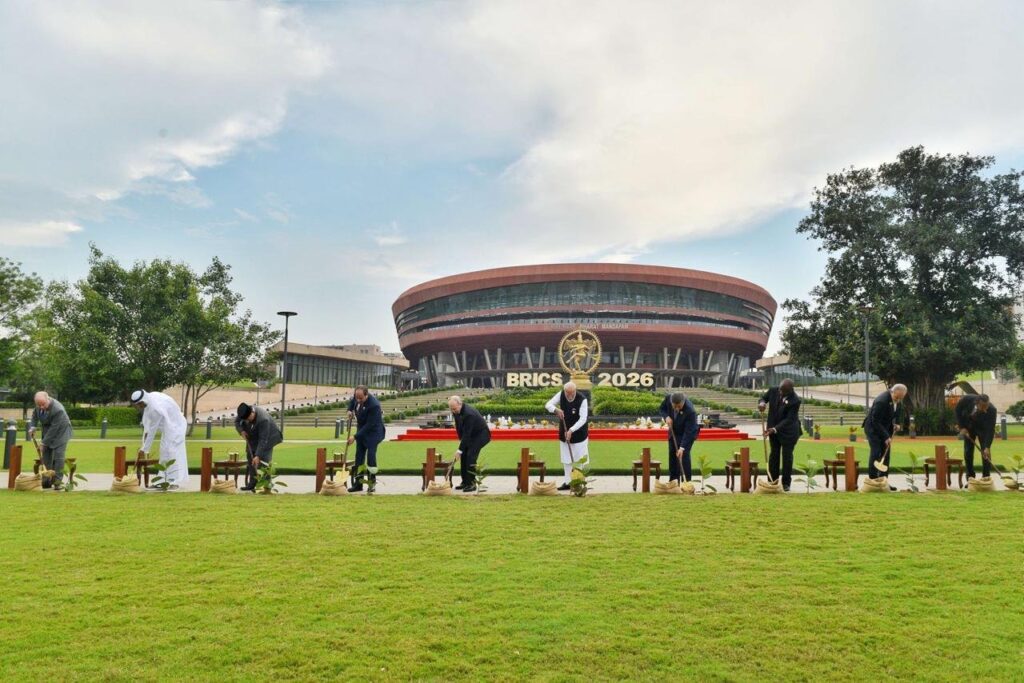
During the recent BRICS Summit in New Delhi in September, Prime Minister Narendra Modi joined the leaders of the other member states in planting ten saplings of a banyan tree on the lawns of Bharat Mandapam. The choice of the banyan sapling carries considerable symbolism, given that it is India’s national tree and widely regarded as sacred and as a symbol of enduring life. PM Modi described the saplings as a fitting symbol of BRICS, with “deep roots, growing strength and coming together for a shared future”.
The photographs from the ceremony were also striking because of the ordinariness of the act. Visuals of prominent BRICS leaders such as Modi, Vladimir Putin, Xi Jinping, and others standing and posing in front of Bharat Mandapam with shovels in their hands as they planted the saplings were widely circulated. Now that the summit has concluded, one may wonder about the diplomatic “afterlife” of such tree saplings, since what happens to these trees before and after the official ceremony may matter as much as the ceremony itself. These saplings are not simply botanical objects. Their growth is often used as a metaphor for the growth and strengthening of bilateral relations.