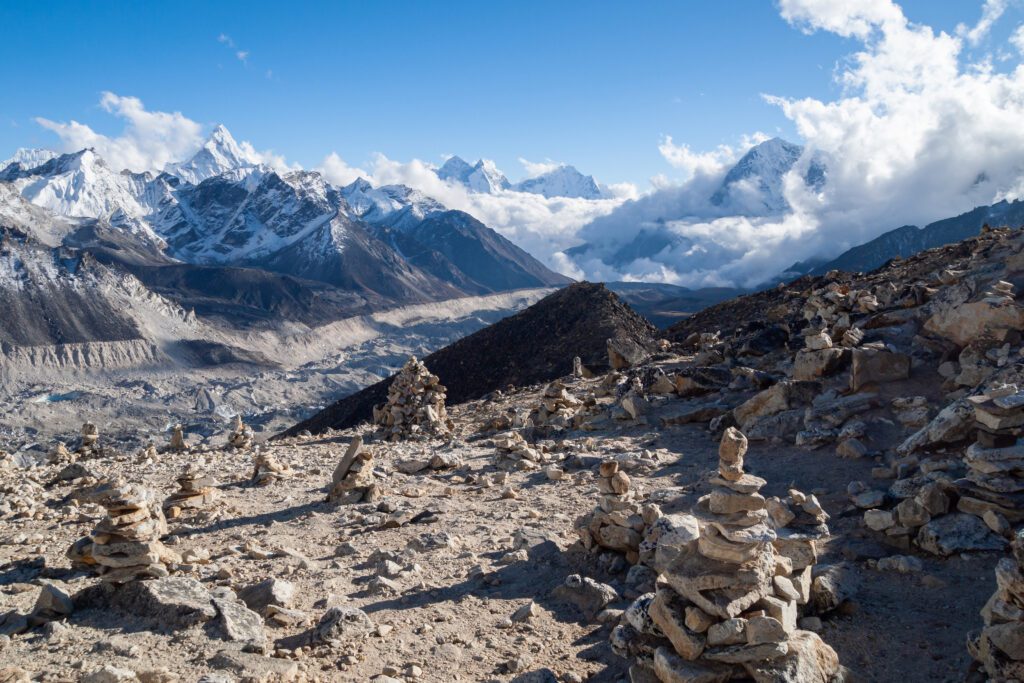
Nepal’s vulnerability to climate change stems from disasters it has experienced, including flash floods, landslides, wildfires, glacier collapse, and glacial lake outbursts. Still, scientists remain cautious, speculative, and divided over attributing any specific disaster entirely to climate change. Reports from the United Nations agencies and the World Bank, however, have hinted at Nepal’s uneven exposure to a changing climate, despite its very low historical emissions. So, torn between climate rhetoric and realities, people are left to endure the country’s poor air quality, melting mountains, collapsing glaciers, atypical river flows, drying streams, and erratic rainfall. They have collectively assumed that living in the age of climate change means being prone to pollution and shifts in temperature, precipitation, and extreme weather.