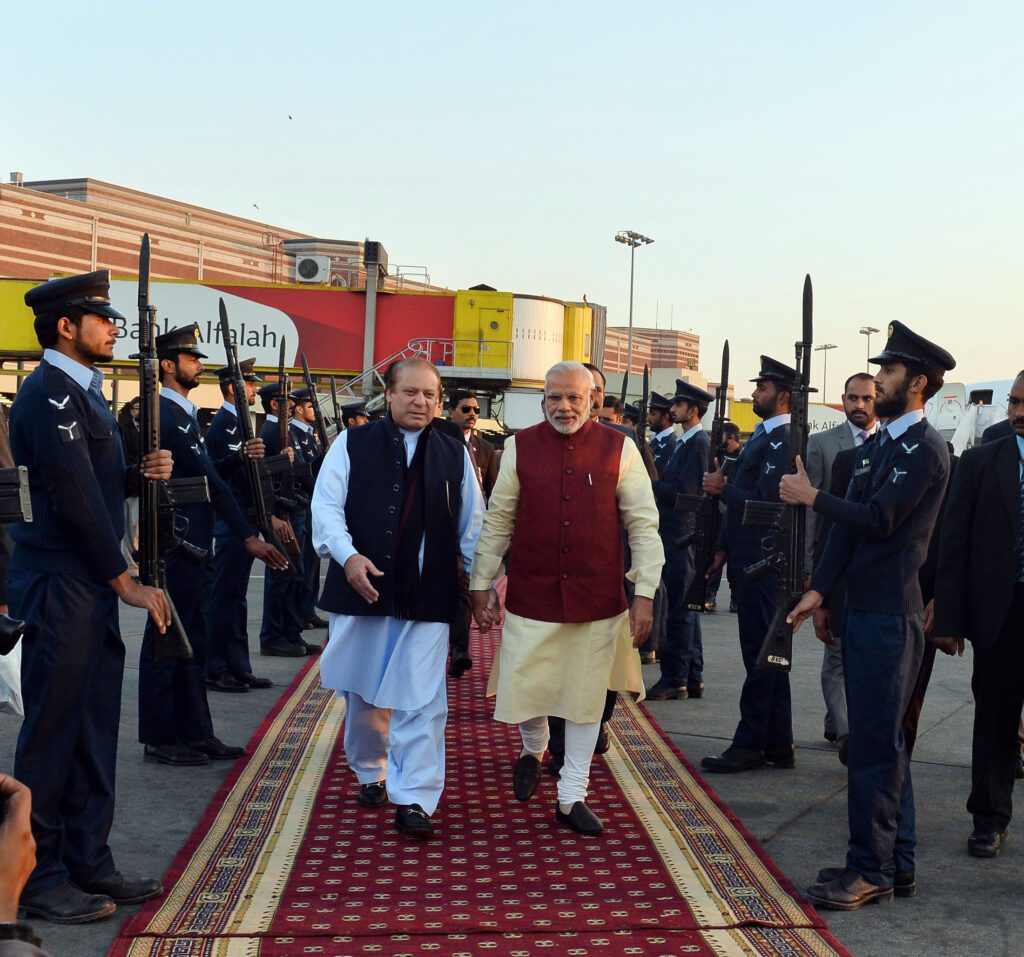
As the modern state system took shape a few centuries ago, engagement between governments was considered too sensitive to let the public intrude. As the world became more democratic from the beginning of the nineteenth century, popular opinion began to influence foreign policy. The age of mass communication, and the more recent rise of social media, have ineluctably pushed diplomacy into the public square. Leaders now speak directly to people around the world, and the battle for narratives has become an integral part of foreign policy.
But it is important to distinguish the narrative from its substance. A story without substance sinks quickly; good substance without an effective story is of little consequence. Narrative can magnify power; it cannot manufacture it.
This diplomacy of performance is of special importance for India as it seeks to elevate its position in the global hierarchy. The natural Indian felicity for storytelling through words, music, dance and handicrafts is a gift that can be mobilised in the service of Indian diplomatic goals. But it is no substitute for sustained economic growth, military modernisation, technological capability and stronger state institutions. Great-power status cannot be performed into existence.
There is another danger that has become manifest in recent years. The democratisation of foreign-policy discourse has produced armies of self-appointed digital diplomats. Their aggressive nationalism generates applause at home but imposes costs abroad. The role of social media in undermining India’s friendly relations with Bangladesh has provided more than enough evidence. Social-media warriors, YouTube influencers and television anchors have repeatedly turned manageable disagreements between India and its partners into tests of national honour.
Delhi must find ways to temper the hypernationalism in the media ecosystem
For the Indian elite, an awareness of asymmetry is essential in dealing with smaller neighbours. India’s size, economic weight, political influence and cultural presence ensure that every Indian argument is heard loudly across the Subcontinent. What looks like muscular nationalism at home can easily appear threatening across the border. The challenge is to convert India’s weight into reassurance rather than resentment. India’s problem in its neighbourhood is not that its voice is too weak, but sometimes that its voice is too loud.
Governments cannot withdraw from the digital arena, and narratives will remain an important element of national power. But Delhi must find ways to temper the hypernationalism in the media ecosystem and encourage greater sensitivity to the complexities of India’s relations with its neighbours. The ultimate purpose of diplomacy, after all, is not to win the daily argument on social media. It is to convert national capabilities into favourable and durable outcomes. In the new diplomacy, stories matter more than ever. But substance matters more. The enduring challenge for India is to get both right.