Nearly a decade after Japan introduced the Free and Open Indo-Pacific (FOIP), the region’s strategic landscape has changed profoundly. As economic coercion, energy insecurity, and doubts over American reliability reshape regional calculations, Tokyo is redefining FOIP around a new imperative: resilience.
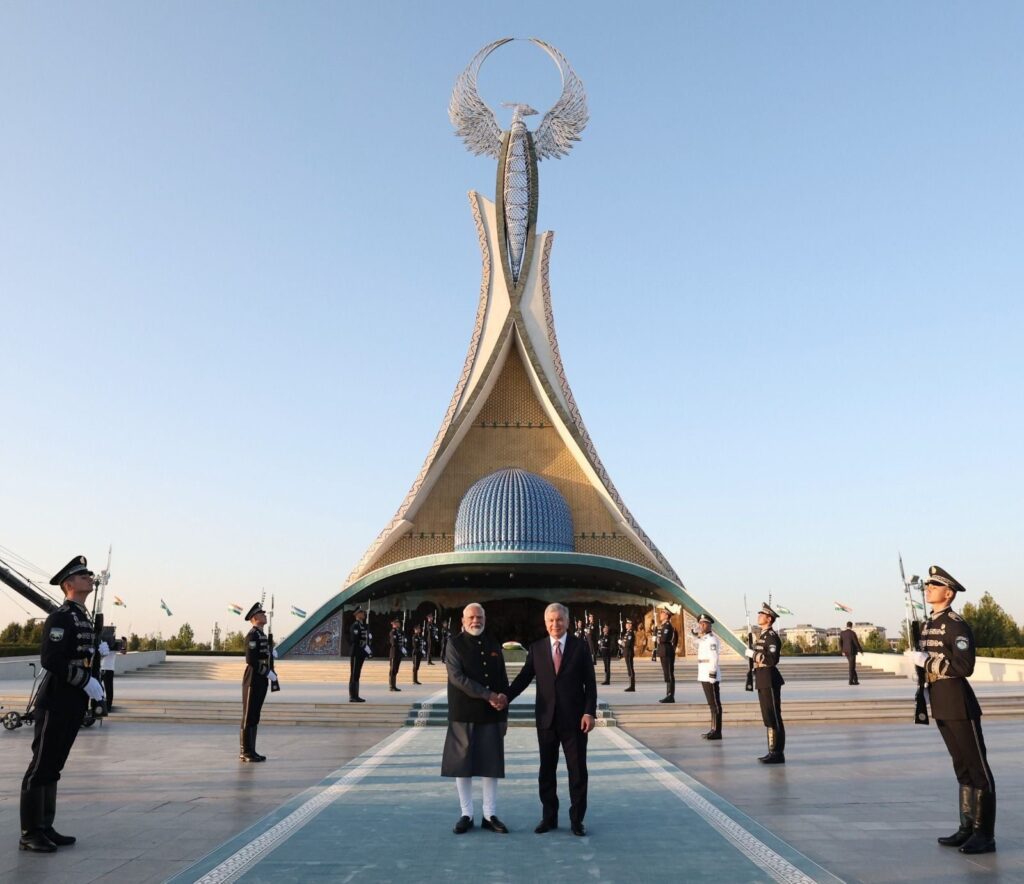
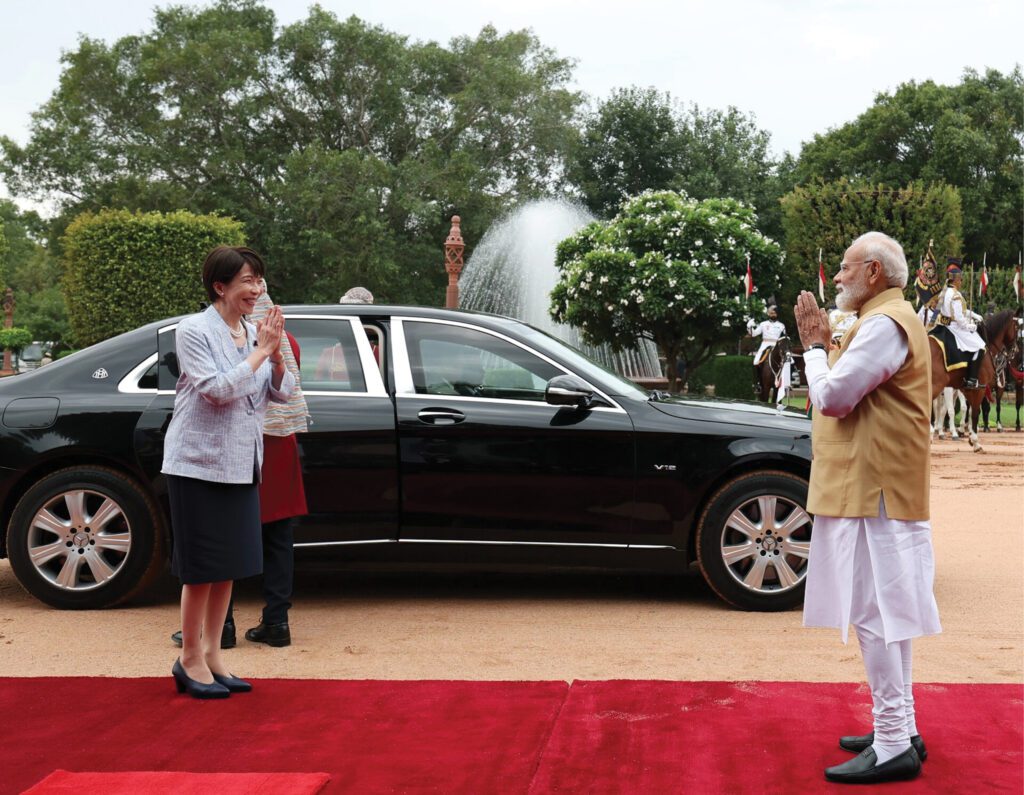
Japanese Prime Minister Sanae Takaichi’s visit to India in July 2026 was significant not merely for the number of agreements reached, but for what it revealed about the evolving strategic outlook of both countries. At a time of growing uncertainty in the Indo-Pacific, driven by the systemic rivalry posed by China, with questions surrounding the trajectory of Washington’s engagement with the region, Tokyo and New Delhi appeared to have reaffirmed shared assessments: economic security and resilience form the foundation of national security. Recent disruptions to global energy supply chains stemming from the US–Israel war with Iran and the prolonged instability around the Strait of Hormuz have only reinforced this perception.