The obituary has already been written. Or has it? Behind Washington’s changing vocabulary lies a story of continuity, adaptation, and an Indo-Pacific that may prove far more resilient than its critics imagine.
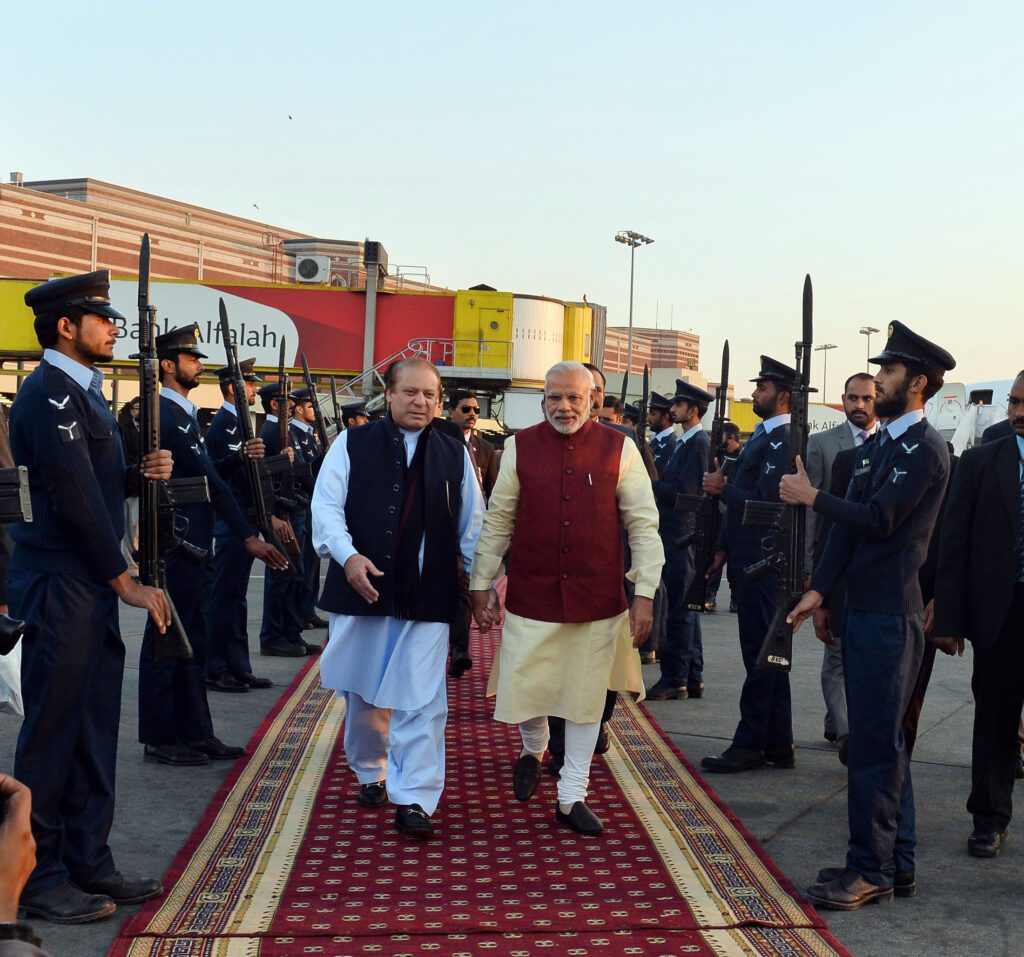
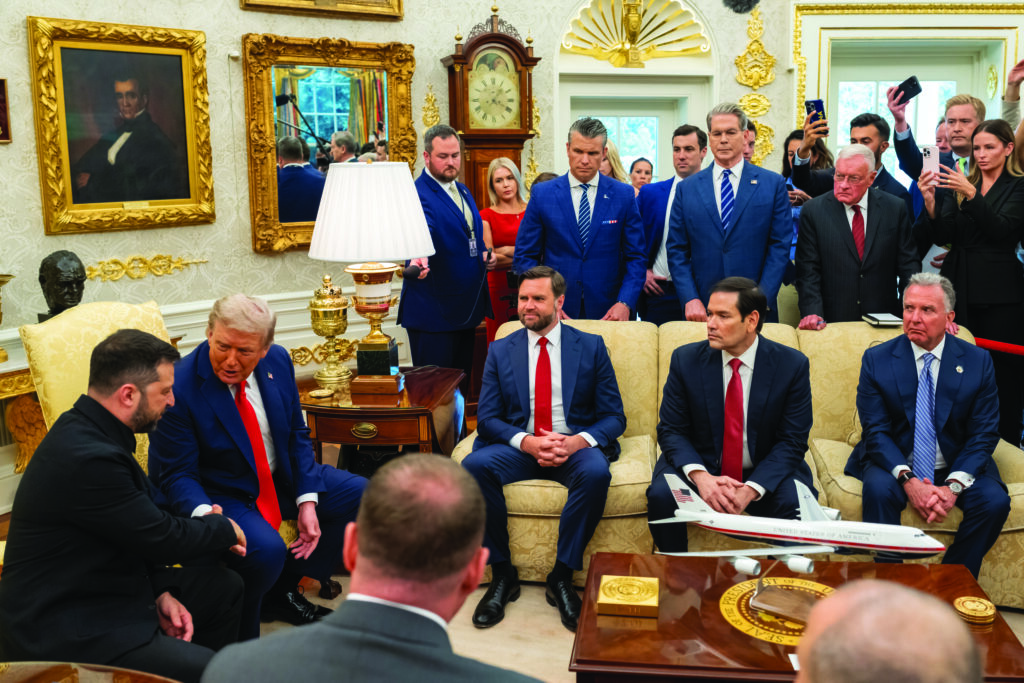
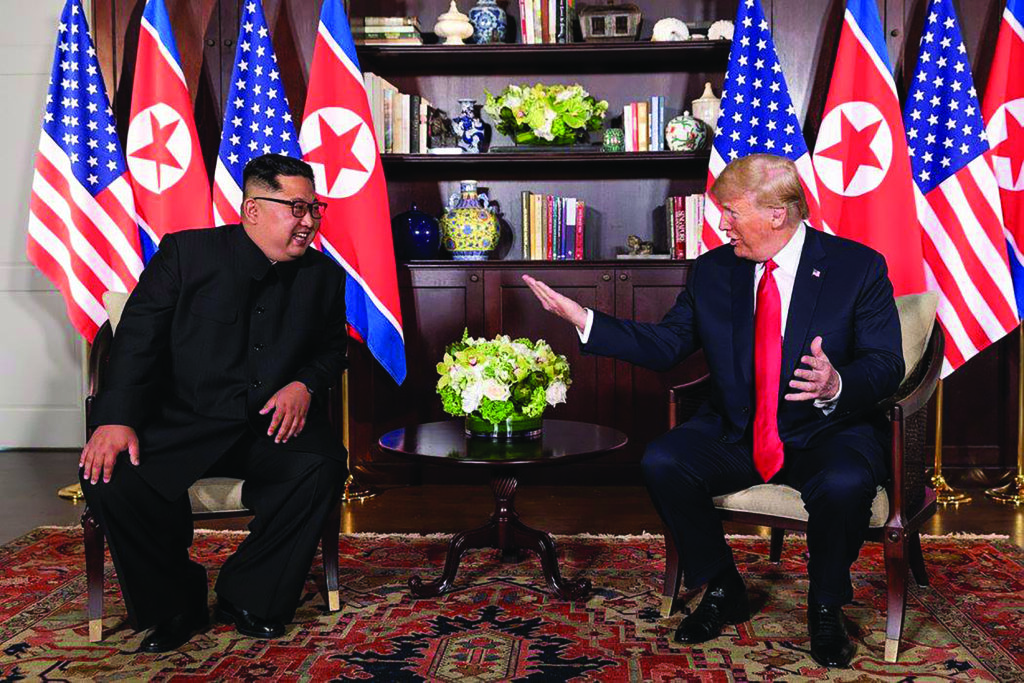
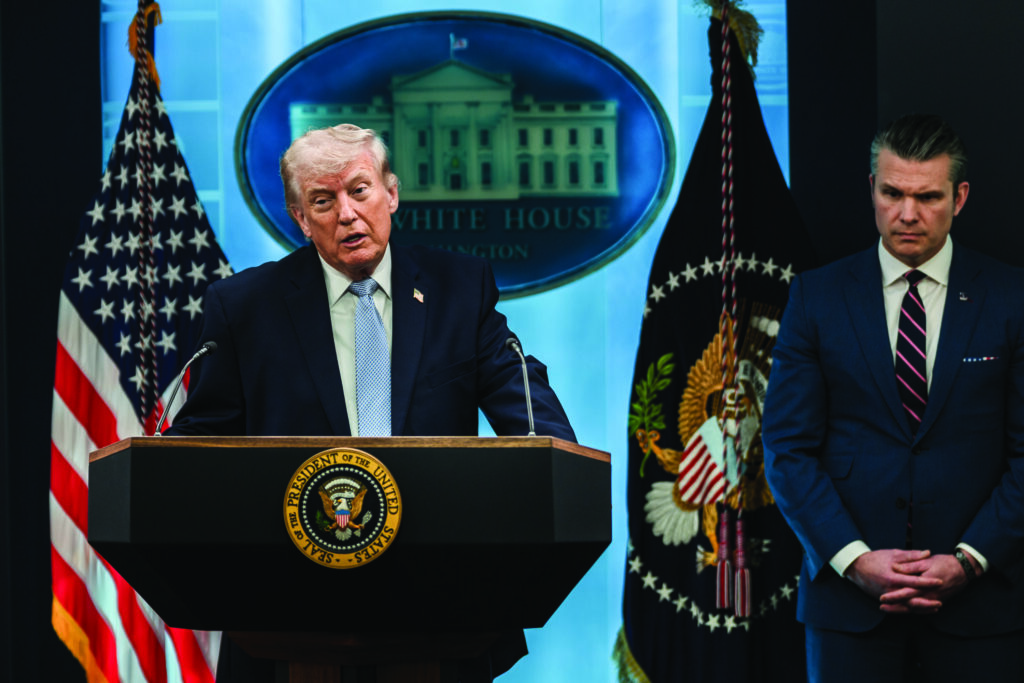
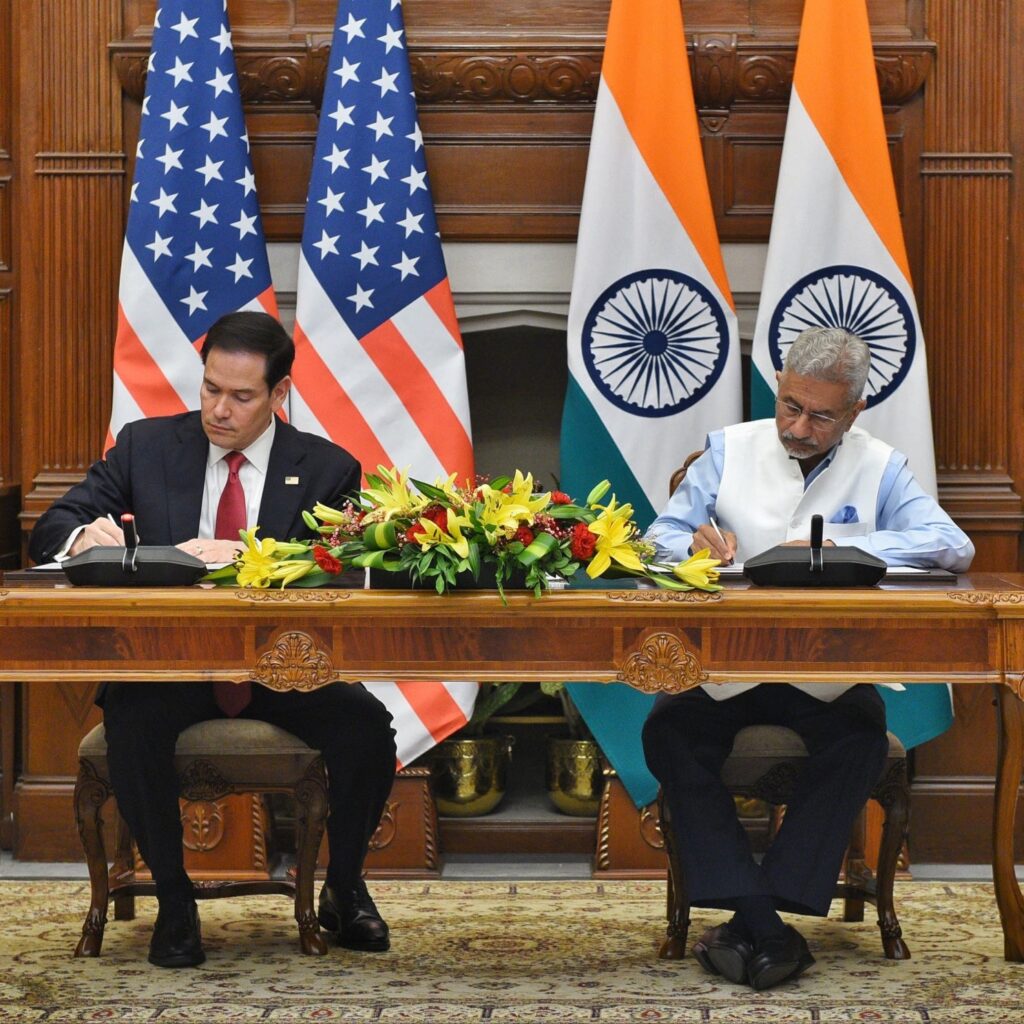
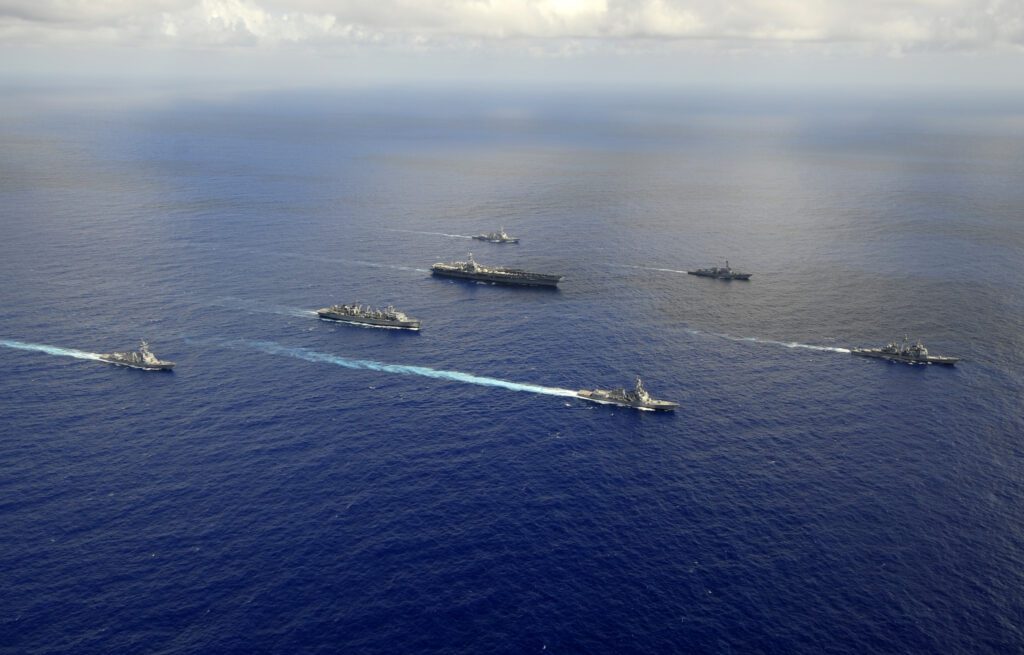
Reports of the Indo-Pacific’s demise have been circulating with unusual confidence lately. Trump 2.0 has visibly cooled on the term itself, softening the rhetoric it once championed while publicly flirting with the idea of a US–China G-2, re-hyphenating India with Pakistan in ways New Delhi finds unwelcome, and, more recently, reverting from INDOPACOM to PACOM. Commentators have read these signals as evidence that the strategic architecture built around the Indo-Pacific concept over the past decade is unravelling. However, the evidence on the ground tells a different story: the institutions, initiatives, and operational habits established under the Indo-Pacific banner continue to deepen, even as the rhetoric surrounding the term fluctuates.