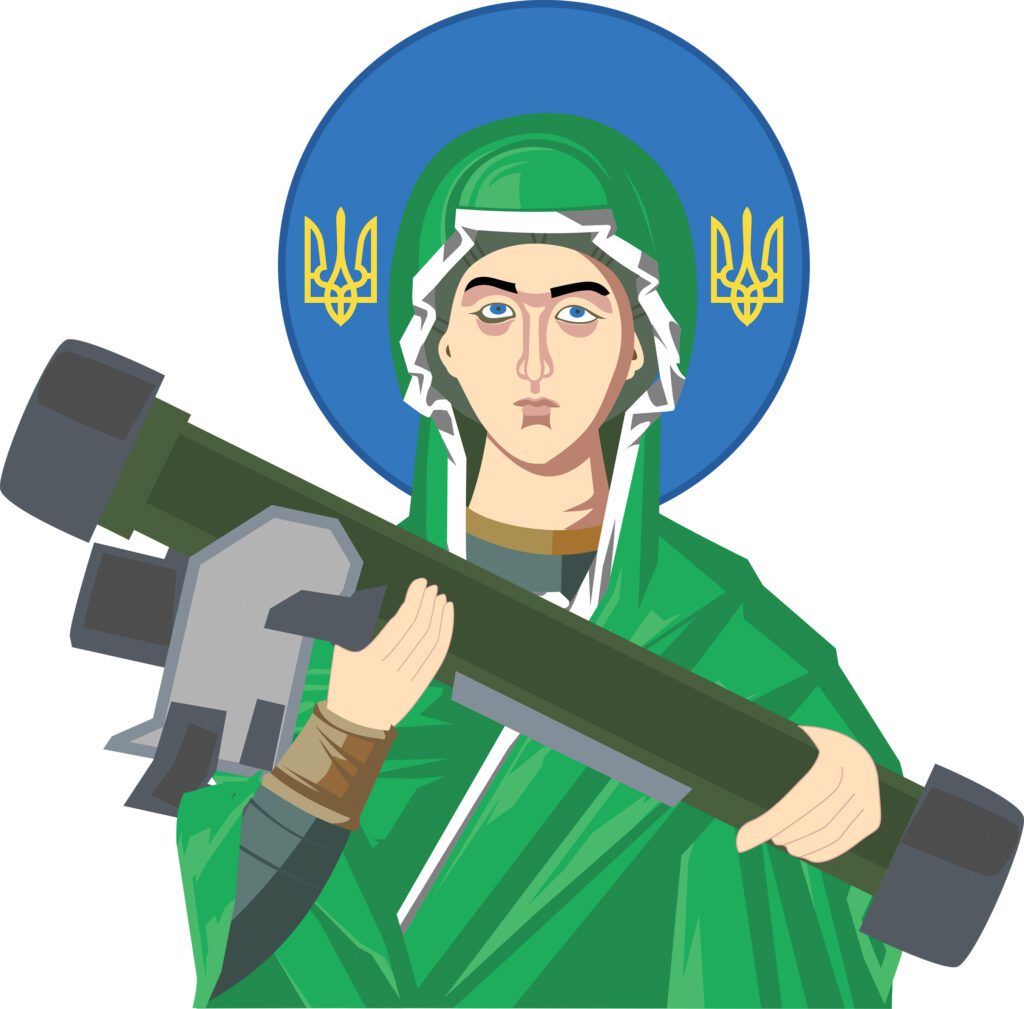
A joke, a cartoon, a viral image. What appears trivial online can now shape political narratives, influence public opinion, and amplify state messaging. As governments, diplomats, and activists embrace meme culture, internet humour is increasingly emerging as an instrument of statecraft.
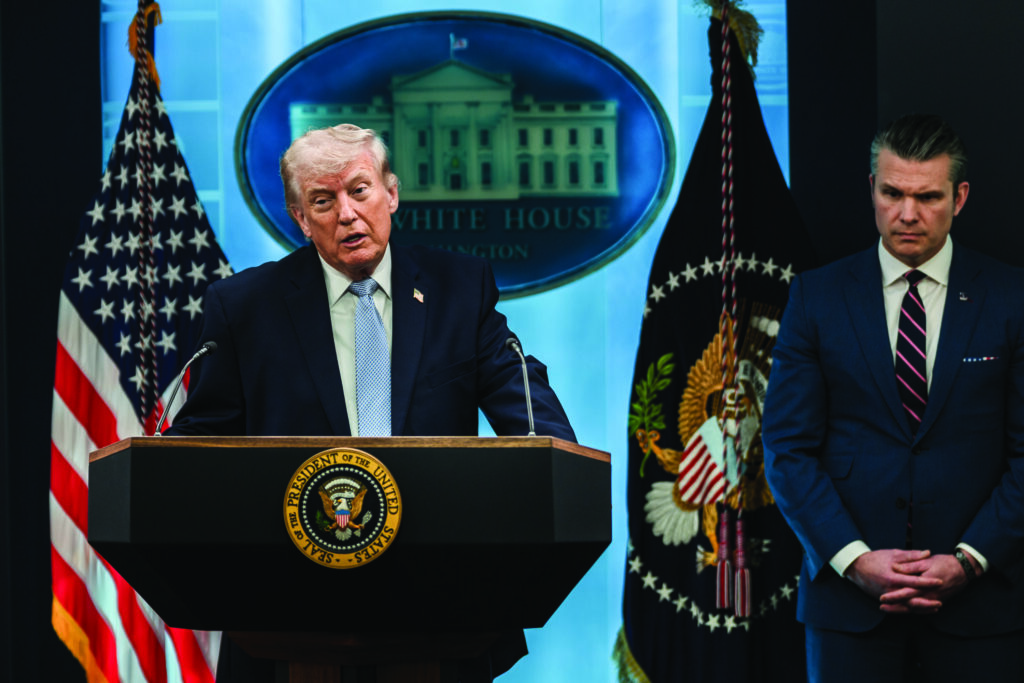
On 5 April 2026, with the world watching the war against Iran and bracing for the closure of the Strait of Hormuz, President Donald Trump posted on Truth Social: “Open the F***ing Strait, you crazy bastards, or you’ll be living in Hell.” The Iranian embassy in Zimbabwe replied the next morning with four words on X: “We’ve lost the keys.”
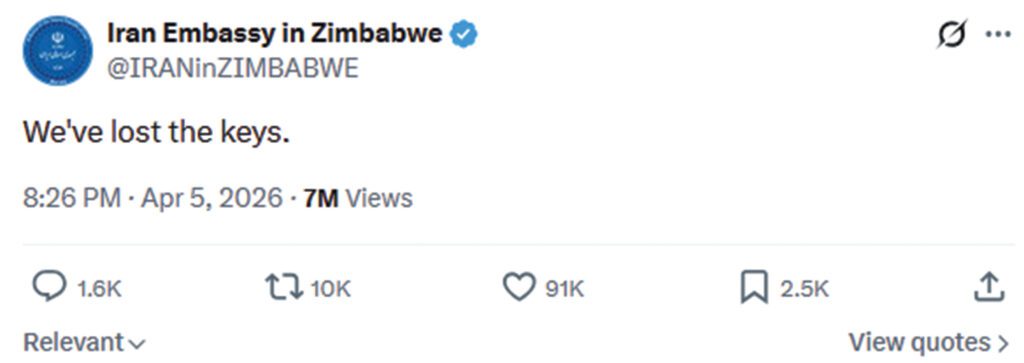
The post drew 6.9 million views and 93,000 likes within a day. What is noteworthy is that the reply did not come from Tehran’s Foreign Ministry. It came from a small mission in Harare, Zimbabwe. Somewhere in a foreign service academy, instructors who train diplomats to think in communiqués and cables are currently dealing with an awkward reality check. A meme can now drive the international news cycle for brief, intense, and consequential periods.