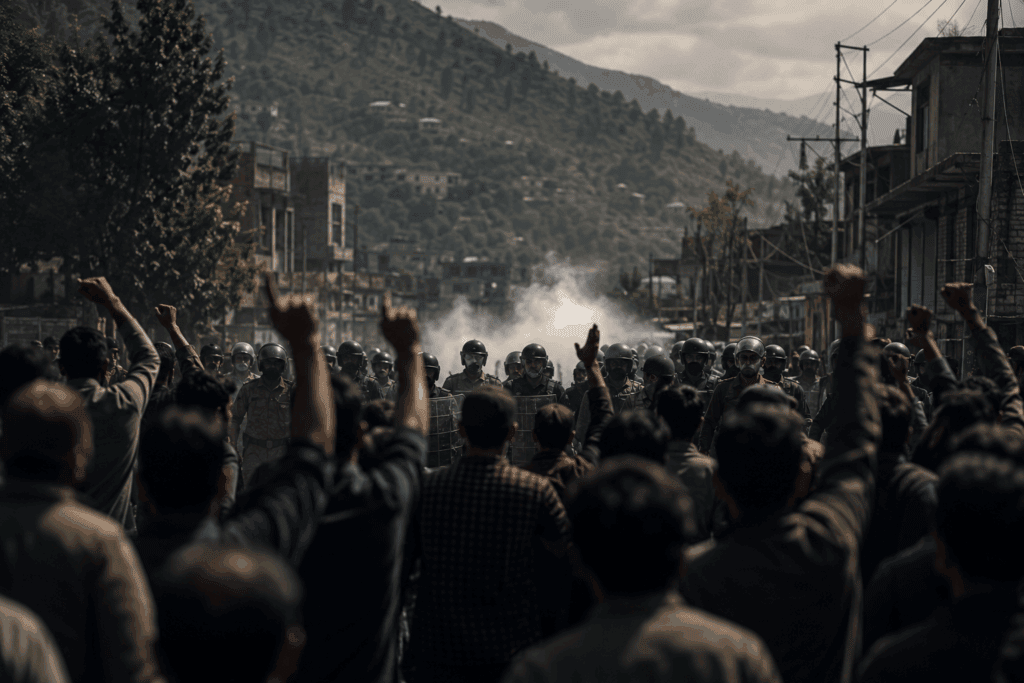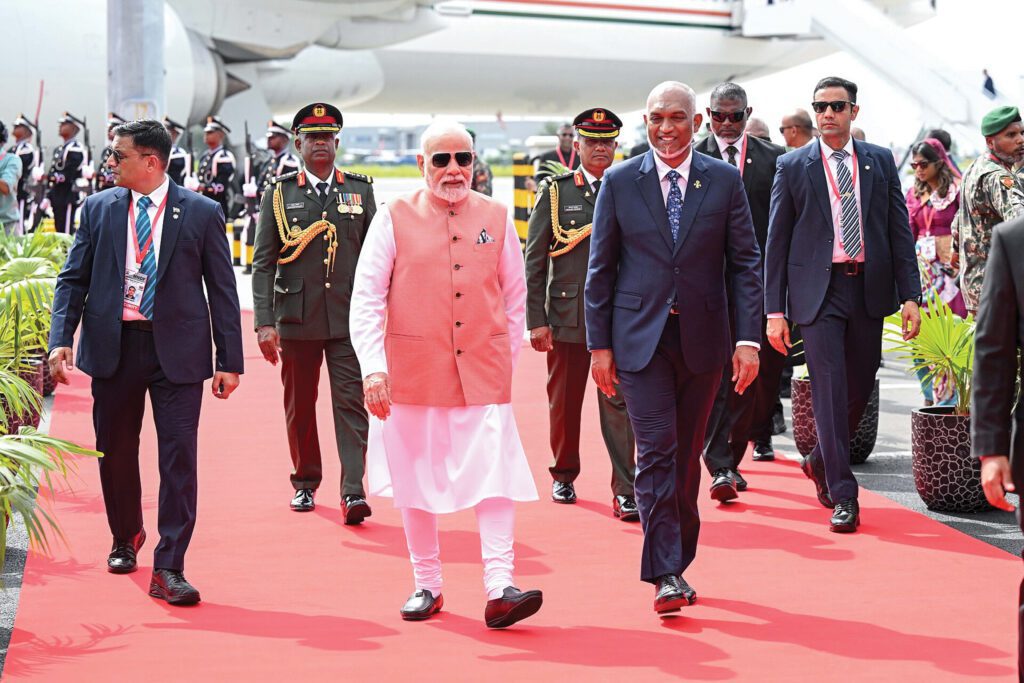
The greatest test of India’s emergence as a leading power may lie closest to home. From Bangladesh and Nepal to Sri Lanka and the Maldives, a changing regional landscape is exposing the limits of New Delhi’s current neighbourhood strategy. As China deepens its regional footprint and political transitions reshape South Asia, what would a genuinely transformative Neighbourhood First Policy look like?
India’s immediate neighbourhood is not a problem that has to be managed. It is a vibrant living space, constituted through overlapping histories, shared ecologies, migratory patterns, and co-owned cultural heritage that both precede and exceed the logic of state policy. What binds the countries of South Asia is not homogeneity but proximity and the dense web of interactions that it produces across frontiers.
It is precisely this base of tangible and intangible bonds—and not merely strategic calculation—that gives neighbourhood policy its deepest rationale and its greatest untapped potential. The Neighbourhood First Policy (NFP) that Prime Minister Narendra Modi’s government launched in 2014 drew on this intuition and registered real achievements: high-visibility political engagement, a landmark land boundary settlement with Bangladesh, decisive economic assistance to Sri Lanka during its 2022 crisis, expanded connectivity with Bangladesh and Nepal in particular, and the emergence of India as a credible first responder in regional emergencies. Yet the policy has not fully converted these synergies into a durable strategic architecture. Its structural limitations are now increasingly exposed, and a more ambitious upgrade is overdue.