Sris Chandra Chatterjee stands as a distinctive figure in the history of modern Indian architecture. Trained as an engineer but driven by nationalist thought, he envisioned an architectural language rooted in India’s past. His ideas, though rarely realised in practice, reveal an ambitious attempt to align architecture with civilisational identity.
In colonial India before the 20th century, Indian architects rarely assumed substantial roles in institutional projects that were largely dominated by British engineers and planners. Within this paradigm, Sris Chandra Chatterjee (1890–1966) emerged as an Indian architect who sought to redefine contemporary architecture in India through a distinctly nationalist lens.
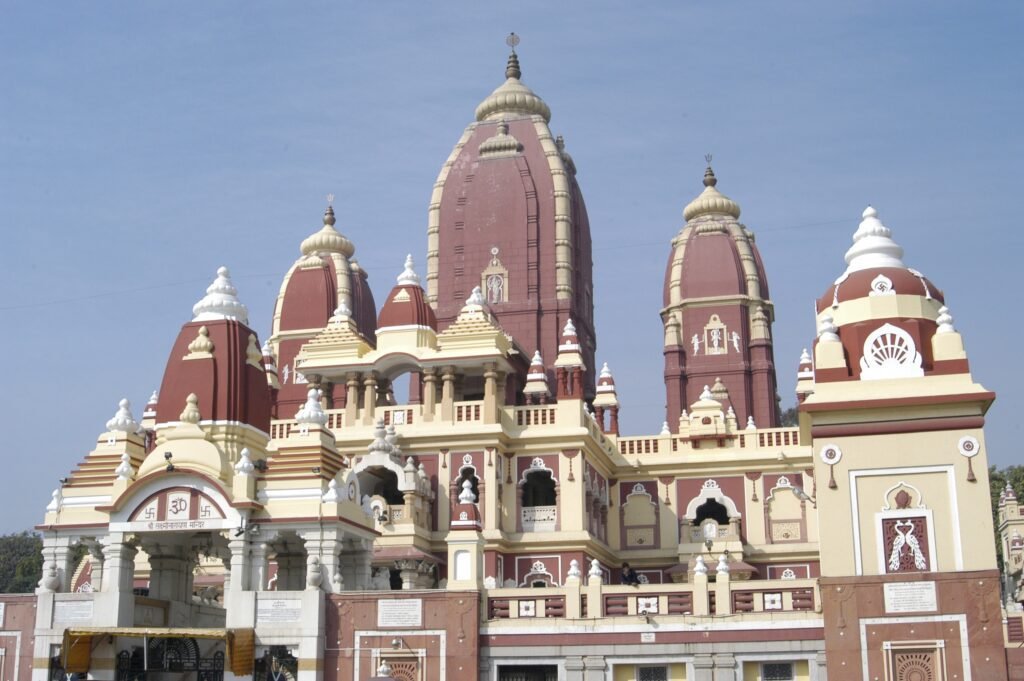
Born in Calcutta, Chatterjee trained as a civil engineer. As an Assistant Civil Engineer in the Public Works Department, Bikaner, he became acquainted with the “Indo-Saracenic style.” He interacted with master craftsmen, learning about their traditional methods. Influenced by Samuel Swinton Jacob, the colonial engineer, architect, and writer, Chatterjee’s beliefs were also shaped by indigenous archaeological discoveries at Mohenjo-daro and Harappa. His overlapping identities as a politician, an academic, an author, and an artist shaped his intellectual ideas, which saw architecture as a civilisational project. Chatterjee eventually returned to Calcutta, setting up an architectural practice exclusively in the “Indian style.” He proclaimed his designs were not just utilitarian, but represented “beauty”, a “national” Indian beauty at that. In 1931, some Sanskrit scholars of Bengal even bestowed on him the title of ‘Sthapatya-Visarad’, or “master builder.” He designed the Birla Mandir in Delhi in 1938 and the Hindu Mahasabha Bhavan in 1939.