US–Israel Strikes Escalate Iran War
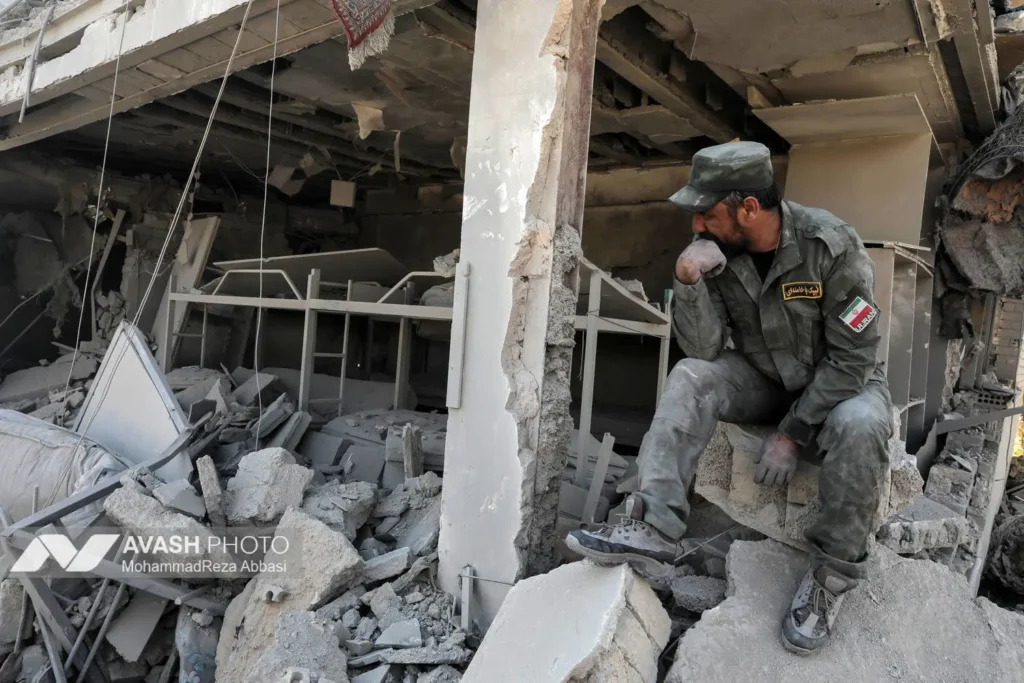
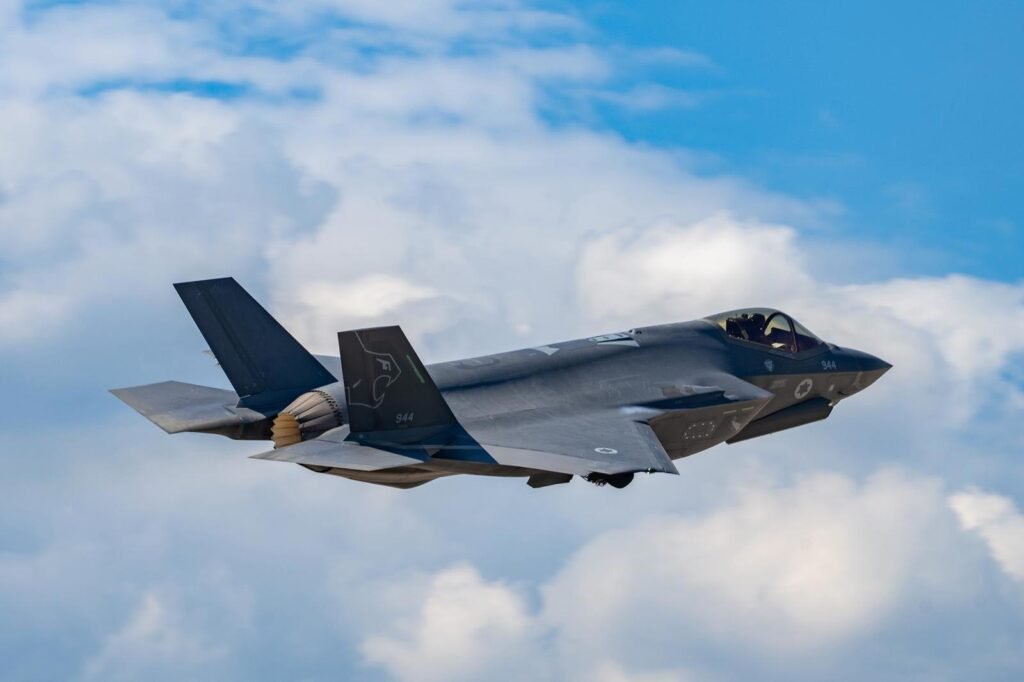
The Development: On February 28, 2026, the US and Israel launched coordinated airstrikes killing Supreme Leader Ali Khamenei and senior officials, including the defence minister and IRGC commander-in-chief. Targets included nuclear facilities, missile sites, and government buildings. Iran retaliated with strikes against Israel, US bases, and facilities in Bahrain, Jordan, Kuwait, Oman, Qatar, Saudi Arabia, Syria, and the UAE. On March 8, Iran’s Assembly of Experts elected Mojtaba Khamenei, the slain leader’s son, as the new Supreme Leader.
The Take: The strikes mark a major escalation in regional conflict, significantly raising the risk of prolonged instability. Targeting senior leadership represents a departure from previous patterns of calibrated deterrence, increasing uncertainty around escalation thresholds. The conflict has immediate implications for global energy markets and maritime security, particularly in the Strait of Hormuz, with downstream effects for energy-importing economies.
Global South Divided on US–Israel Strikes
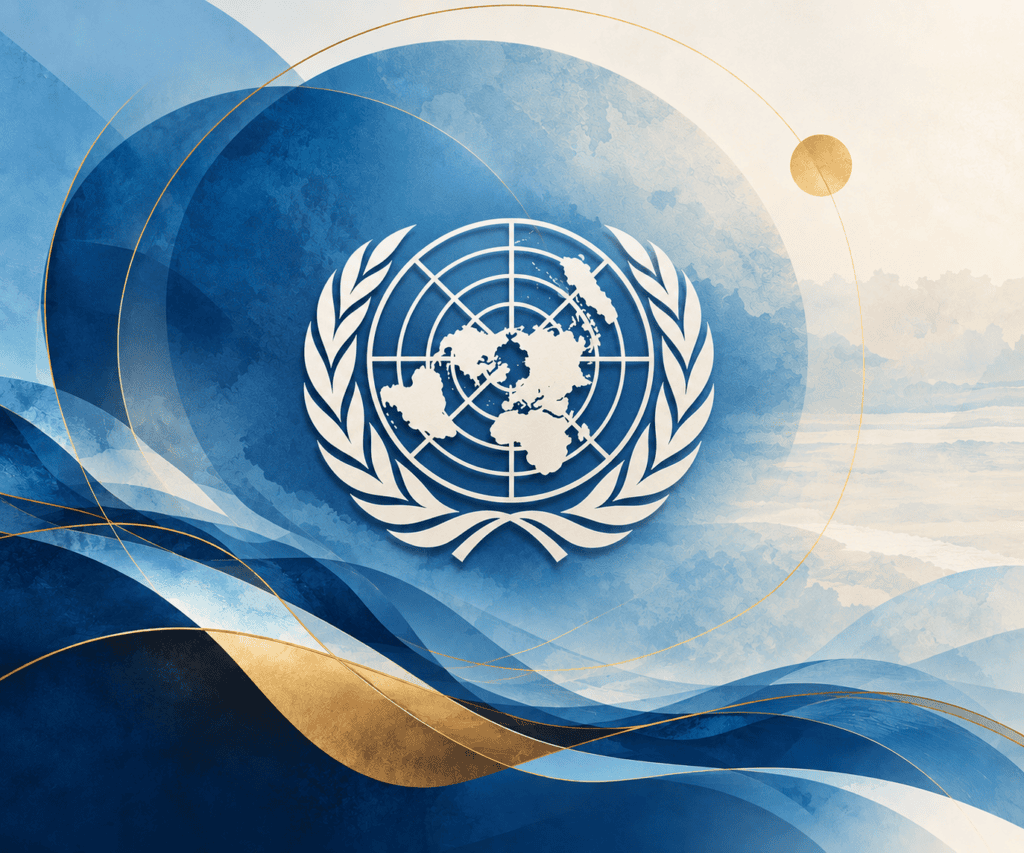
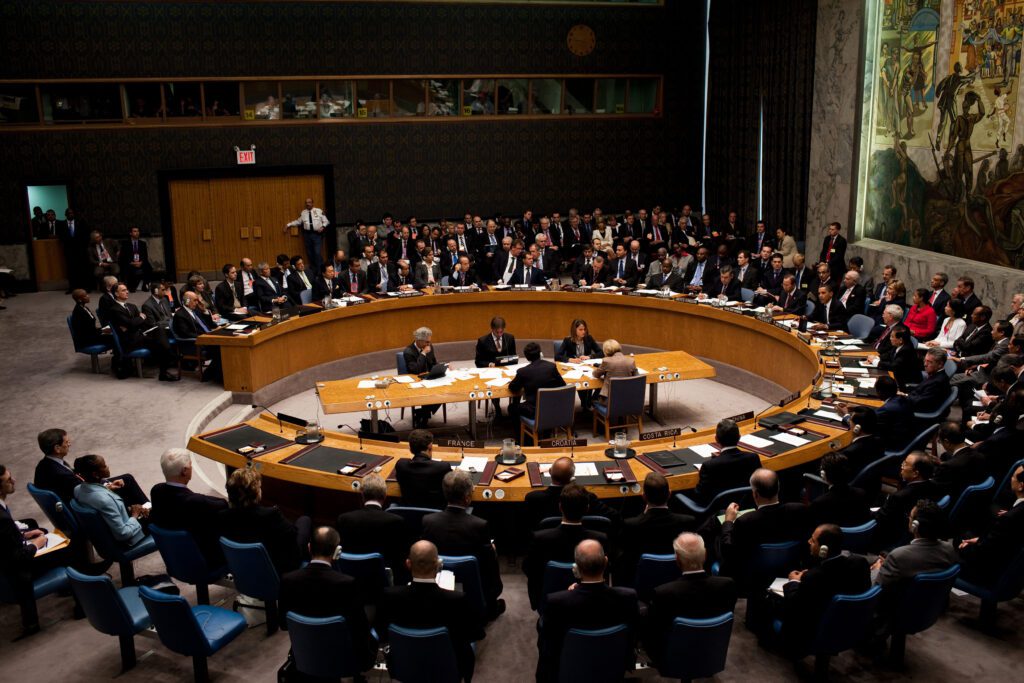
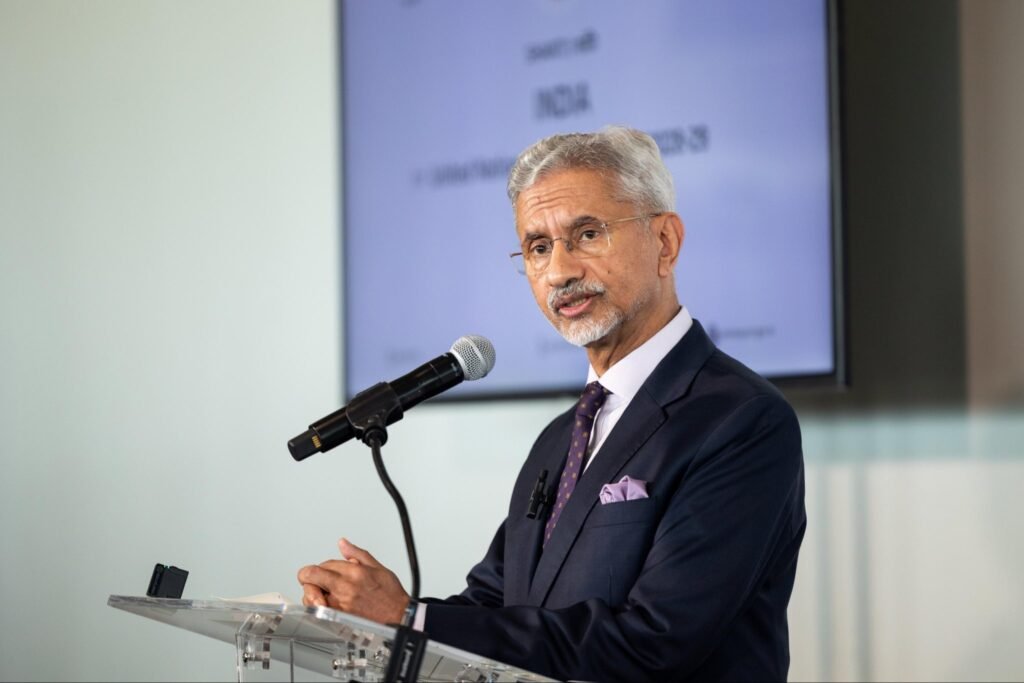
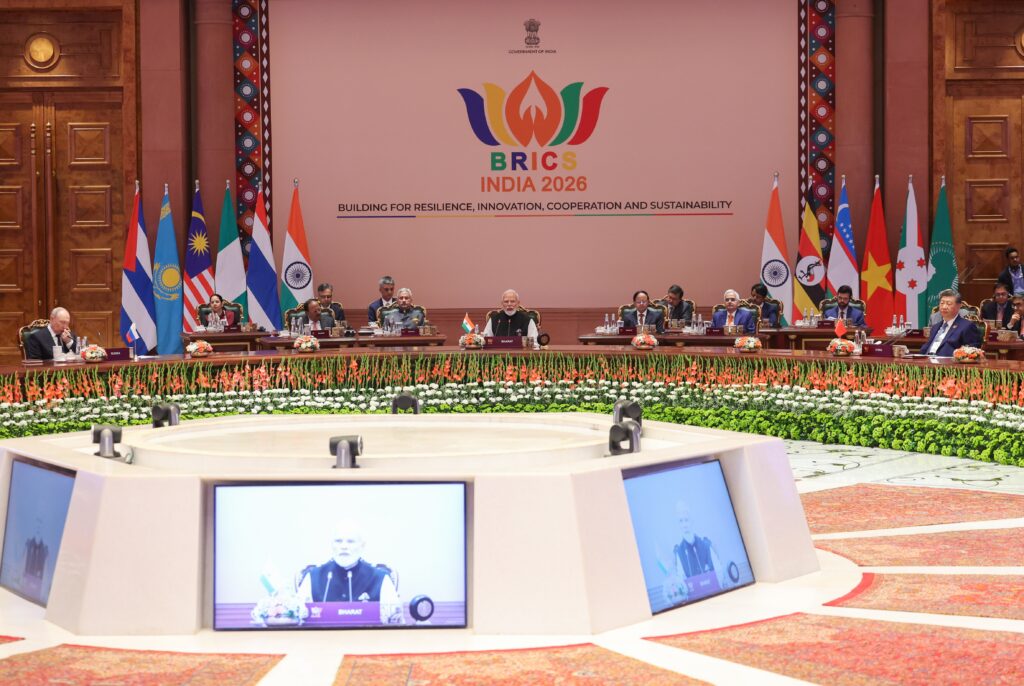
The Development: Global South responses were divided. Brazil, Colombia, and Chile condemned the strikes and called for international law compliance. Argentina and Paraguay supported them, with Milei calling Khamenei “one of the most evil individuals in history.” Mexico called for restraint without condemning either side. China condemned strikes as “brazen” violations; Russia called them “unprovoked aggression.” India emphasised dialogue without condemning. Gulf states condemned Iran’s retaliatory strikes on their territory but remained silent on the initial US-Israeli attacks. The UN Security Council passed a resolution condemning only Iran’s retaliation by 13-0, with China and Russia abstaining.
The Take: The fragmented response reveals that developing countries don’t constitute a unified bloc on Middle East conflicts. Latin America split ideologically: leftist governments condemned, right-wing supported. Gulf states prioritised protecting their territory over criticising the US military action despite hosting the bases used. The pattern shows sovereignty principles yield to security concerns and bilateral relationships, with countries calculating national interests rather than applying consistent legal standards.
India, China Abstain on Ukraine Ceasefire Vote
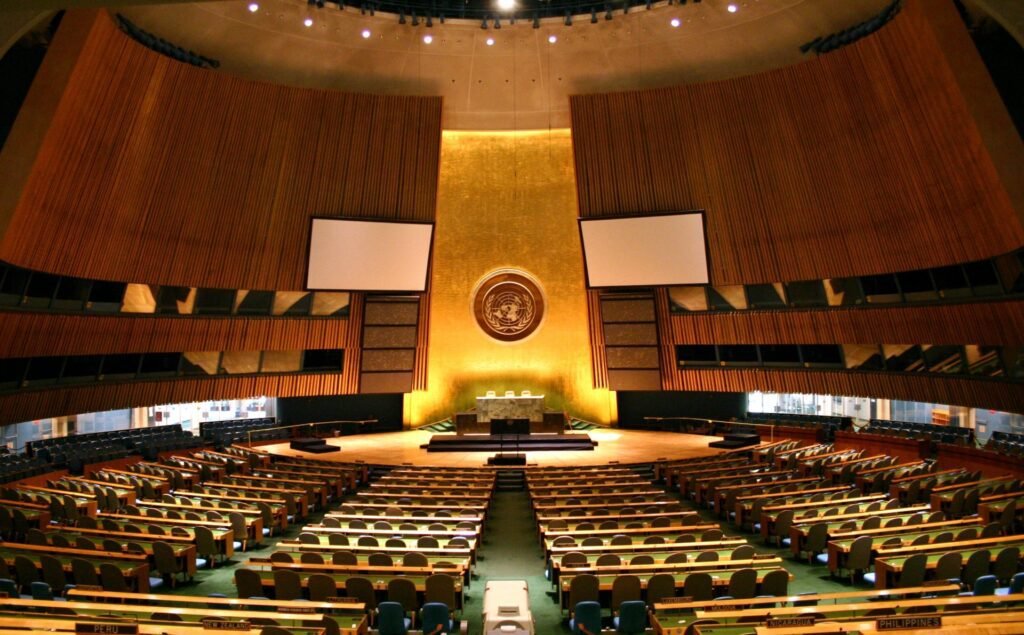
The Development: On February 24, 2026, India and China were among 51 countries abstaining from a UN General Assembly resolution calling for an immediate ceasefire in Ukraine. The resolution passed 107-12 on the fourth anniversary of Russia’s invasion. Other abstaining nations included Brazil, Bangladesh, South Africa, and the UAE. Both representatives emphasised dialogue while maintaining strategic neutrality.
The Take: The abstentions illustrate major Global South economies’ persistent refusal to align with Western positions despite diplomatic pressure. For India and China, maintaining Moscow relationships serves strategic interests in energy security and geopolitical balancing. Large developing economies will continue charting independent foreign policy paths rather than endorsing positions conflicting with perceived national interests.
China Sets Lower Growth Target
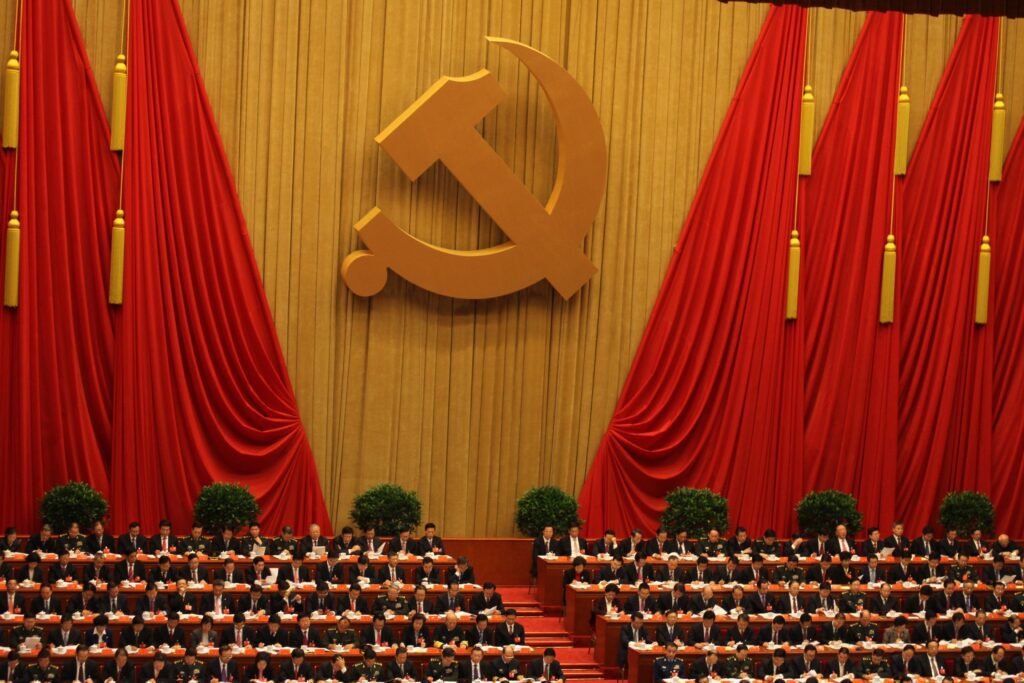
The Development: China convened parliamentary meetings March 4–11, 2026, with Premier Li Qiang announcing a 4.5–5% GDP growth target for 2026—the lowest since 1991. The National People’s Congress approved the 15th Five-Year Plan (2026–2030), prioritising technological self-reliance, industrial modernisation, and domestic demand. The plan targets 12.5% digital economy share of GDP, 7% annual R&D spending growth, and AI integration while managing industrial overcapacity.
The Take: The reduced target signals Beijing’s acceptance of structural slowdown while emphasising quality over quantity. Focus on technological autonomy reflects a determination to reduce Western technology dependence amid export controls. For the Global South, China’s direction matters as the largest alternative source of development finance and infrastructure investment outside Western-led institutions.
South Korea–Brazil Upgrade Strategic Ties
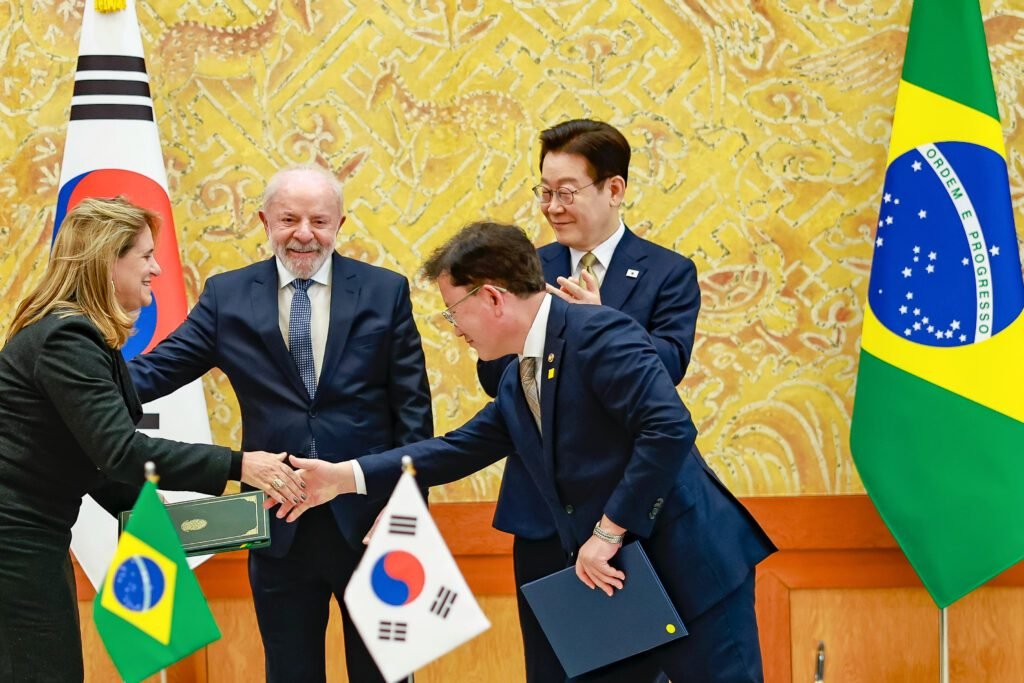
The Development: On February 23, 2026, South Korean President Lee Jae Myung and Brazilian President Lula elevated bilateral relations to a strategic partnership during Lula’s Seoul visit. The leaders signed ten agreements covering critical minerals, AI, defence-space cooperation, and SME collaboration. Both emphasised critical minerals cooperation—Brazil holds substantial rare earth and nickel reserves essential for EVs, while South Korea seeks supply chain diversification.
The Take: The partnership reflects strategic hedging by mid-sized economies amid supply chain volatility. Seoul secures strategic inputs while reducing concentration risk; Brasília attracts Korean investment into processing and downstream industries. The framework signals developing economies forging direct resource-technology partnerships rather than commodity export models, strengthening South-South integration independent of Western-led networks.

Nepal Election Signals Political Realignment
The Development: Nepal held parliamentary elections on March 5, 2026, with the Rastriya Swatantra Party securing 182 of 275 seats. Prime ministerial candidate Balendra Shah, a 35-year-old former rapper and Kathmandu mayor, is poised to lead. The RSP swept Kathmandu Valley and defeated established parties—Nepali Congress won only 38 seats, Communist Party (UML) 25. Former PM KP Sharma Oli lost his constituency to Shah by over 49,000 votes. The election followed the September 2025 protests that killed 77 people.
The Take: The results represent generational political rupture, channelling youth frustration into formal institutions rather than prolonged mobilisation. Stable governance in Nepal affects Himalayan security dynamics and India-China competition. The transition from street activism to parliamentary majority within six months demonstrates how demographic shifts can accelerate political turnover in developing democracies.
Myanmar Junta Moves to Formalise Rule
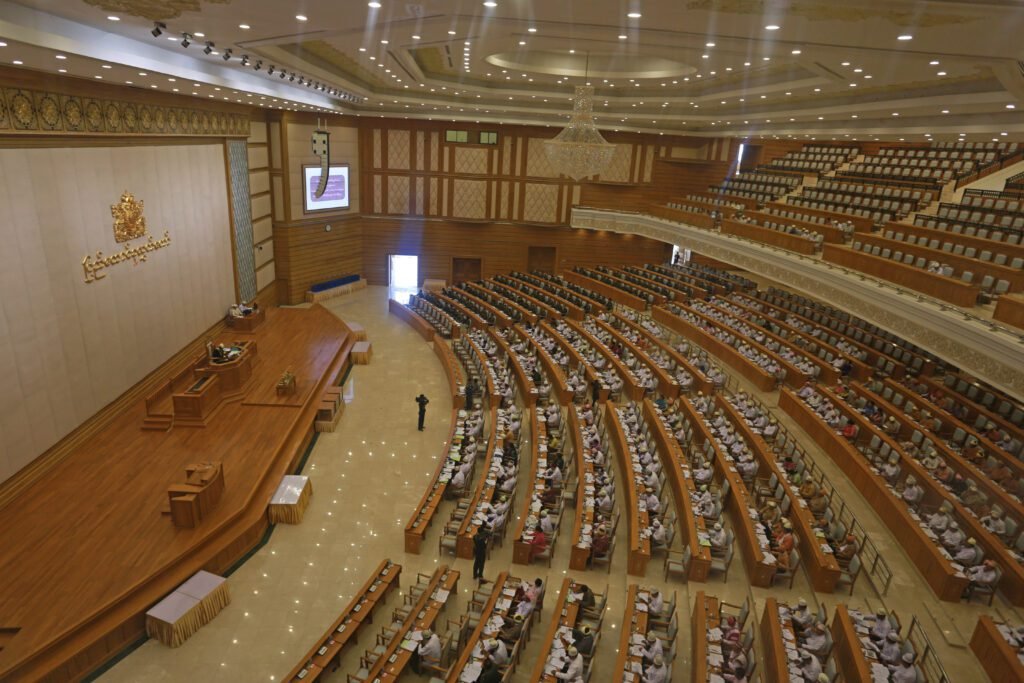
The Development: Myanmar’s parliament convened on March 23, 2026, for the first time since the 2021 coup. The army-backed USDP won 81% of contested seats with no real opposition, while military officers hold a guaranteed quarter of all seats. Junta chief Min Aung Hlaing is expected to assume the presidency, and a new “superbody”, the Union Consultative Council, will consolidate his dual control. Western countries have dismissed the process as a sham.
The Take: The junta is converting coup authority into constitutional legitimacy without changing the power structure. The bet is that a civilian facade erodes sanctions fatigue and draws engagement from ASEAN, China, and India, all of which prioritise regional stability over governance norms.