From early Punjabi settlers to a new generation of students, skilled professionals, and families, migration has become a defining feature of India–Canada relations. Indian nationals are now among Canada’s largest immigrant communities and its leading source of international students and economic immigrants. But after years of rapid expansion, Canada’s immigration system is being recalibrated, changing the prospects of those seeking to study, work, and settle there.
From Early Settlers to a Major Migrant Community
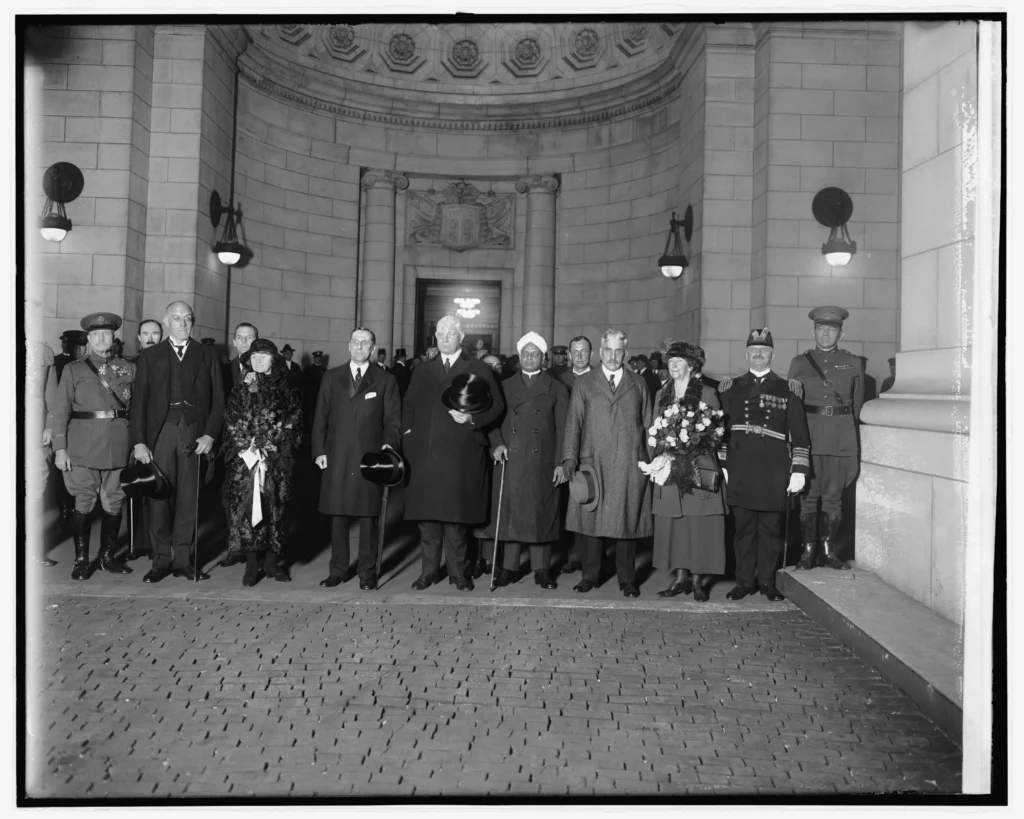
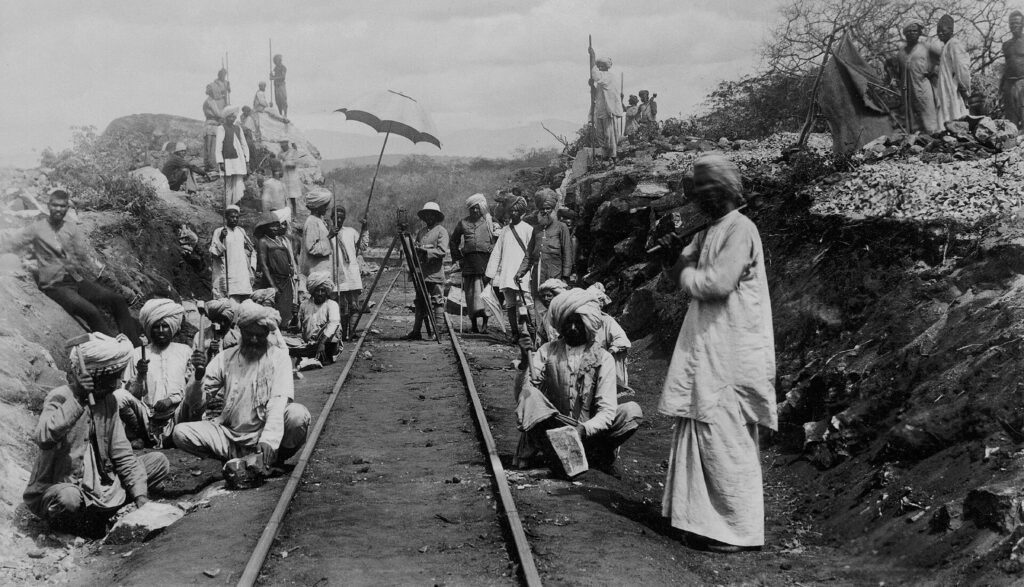
Indian migration to Canada has a history stretching back more than a century. The earliest significant arrivals were Punjabi men, many of them Sikhs, who came to British Columbia in the late nineteenth and early twentieth centuries. They found work in lumber mills, railway construction and agriculture, laying the foundations of a community that would eventually grow into Canada’s largest South Asian population.
The migrants who stayed helped establish institutions that would support later generations. The Khalsa Diwan Society was founded in Vancouver in 1906, and its first gurdwara opened in 1908. The Gur Sikh Temple in Abbotsford followed in 1911 and is now a National Historic Site.
Their early settlement was marked by racial discrimination and restrictive immigration laws. In 1908, Canada introduced a “continuous journey” regulation requiring immigrants to arrive directly from their country of origin. The rule was designed in a way that effectively prevented most prospective migrants from India from entering Canada.
The policy was challenged in 1914 by the passengers of the Komagata Maru. The ship arrived in Vancouver on 23 May carrying 376 prospective South Asian immigrants, most of them Sikhs from Punjab. After being denied entry, the ship was forced to return to India. The incident became a defining episode in the history of racial discrimination against South Asian migrants in Canada.
A gradual shift followed after the Second World War. South Asians in British Columbia gained the provincial right to vote in 1947. Canada began removing racial restrictions from its immigration regulations in the 1950s and 1960s, and the introduction of a points-based selection system in 1967 marked a major turning point. By assessing applicants on factors such as education and skills rather than race or national origin, the system opened the way for larger-scale migration from India.
Family reunification and employment opportunities helped sustain migration through the following decades. The community expanded through the 1980s and beyond, with established migrants sponsoring relatives and helping newcomers settle. Over time, Indian Canadians moved into business, public service, politics, education and other areas of Canadian life.
The Student Boom: A New Migration Route
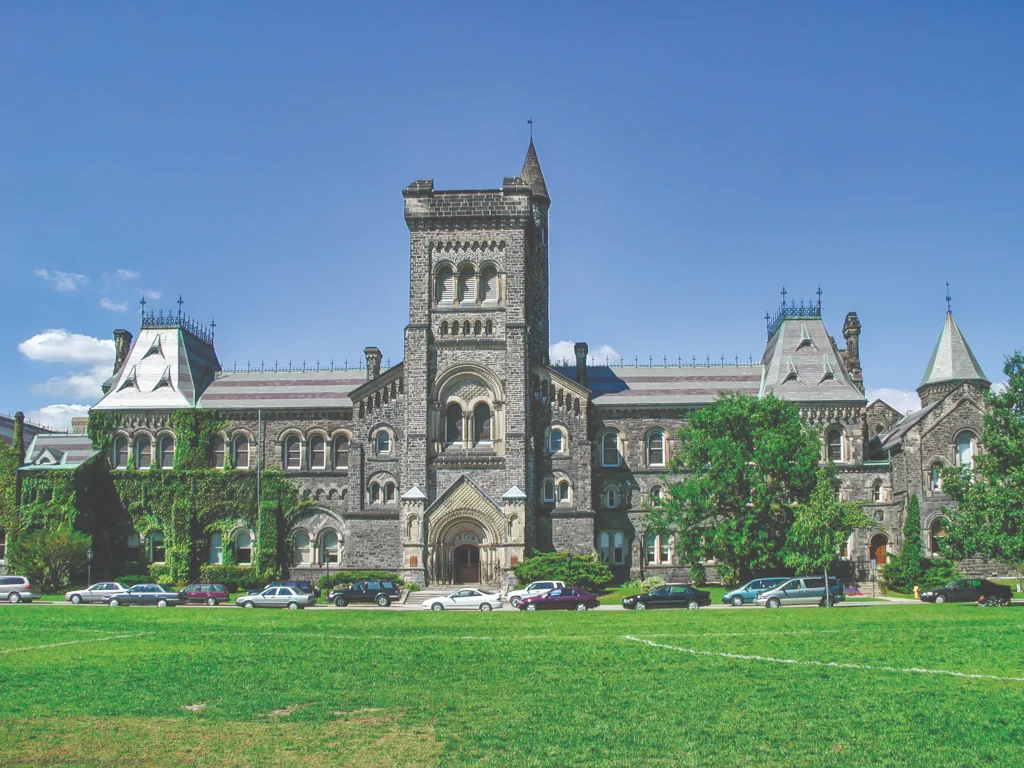
Indian student migration to Canada expanded rapidly from the mid-2010s, transforming the country into one of the most important destinations for Indian students seeking overseas education. Initially concentrated in colleges and career-oriented programmes, the movement gradually spread across Canada’s post-secondary education system. Faster study permit processing, internationally recognised qualifications, post-study employment opportunities, and the possibility of permanent settlement contributed to the country’s growing appeal.
An important step came in April 2009, when Canada launched the Student Partners Program (SPP), a pilot initiative involving 20 Canadian colleges and its visa offices in India. Designed to streamline study permit processing for eligible Indian applicants, the programme helped strengthen the college route into Canada.
Indian student migration accelerated sharply from 2015. According to Immigration, Refugees and Citizenship Canada’s data, the number of Indian citizens with study permits becoming effective increased from 31,965 in 2015 to 52,709 in 2016, 83,245 in 2017, and 107,796 in 2018. These figures include initial permits and renewals.
Canada introduced another important initiative in June 2018: the Student Direct Stream (SDS). Initially available to eligible applicants from India, China, Vietnam, and the Philippines, the programme offered faster study permit processing to students meeting specified financial and language requirements.
By December 31, 2018, India accounted for 207,944 of Canada’s study permit holders, approximately 29% of the national total of 717,747. China followed with 171,474. A year later, the number of Indian permit holders had increased to 218,522, making India firmly established as Canada’s largest source country for international students.
The COVID-19 pandemic disrupted international student mobility in 2020, but the subsequent recovery produced an exceptional expansion. Canada’s total study permit holders increased from 637,779 at the end of 2019 to 1,040,984 by December 2023.
India’s contribution was particularly significant. The number of Indian study permit holders rose from 218,522 at the end of 2019 to 396,809 in 2022 and 427,083 in 2023. By the end of 2023, Indians represented approximately 41% of Canada’s study permit holders, compared with 29% in 2018.
The attraction was not limited to the quality of education. For many Indian families, Canadian qualifications offered a potential route to employment and longer-term settlement. Eligible graduates could obtain a Post-Graduation Work Permit, gain Canadian work experience, and subsequently apply for permanent residence through programmes such as the Canadian Experience Class or Provincial Nominee Program.
Workers and Professionals: The Other Major Route
Students are only one part of the migration story. Indian citizens also enter Canada through temporary work programmes, employer-sponsored routes, international mobility arrangements and permanent economic immigration programmes.
Canada operates two principal temporary foreign worker frameworks. The Temporary Foreign Worker Program (TFWP) generally requires employers to obtain a Labour Market Impact Assessment (LMIA), demonstrating that a qualified Canadian citizen or permanent resident is not available for the job. The International Mobility Program (IMP) allows certain foreign workers to obtain permits without an LMIA, where broader economic, social, cultural or reciprocal benefits apply.
In 2025, 215,250 work permits for Indian citizens became effective under these programmes. India was the largest source country, accounting for 28.9% of all work permits that became effective during the year.
The figure includes both new permits and extensions. Across all nationalities, 743,770 work permits became effective in 2025: 256,880 were new permits, and 491,840 were extensions. These figures should not be read as the number of new foreign workers who entered Canada.
The distinction between the two programmes matters. The IMP covers a broad range of work permit categories, including permits issued under international agreements and certain post-graduation and open-work-permit arrangements. The TFWP is more directly linked to employer demand for workers in jobs where qualified Canadians or permanent residents are not available.
Indian professionals also enter through permanent economic immigration programmes, including federal high-skilled pathways and provincial nominee programmes. These routes assess applicants on factors such as work experience, education, language ability and labour-market needs. The importance of provincial programmes has grown as Canadian provinces seek workers to meet regional economic requirements.
From Temporary Status to Permanent Residency
In 2025, Canada admitted 393,770 permanent residents, 18.6% fewer than the 483,640 admitted in 2024. Economic immigration remained the largest category, accounting for 225,680 admissions, or 57.3% of the total.
Indian citizens remained the leading source country in the economic category. Canada admitted 68,085 Indian citizens through economic immigration programmes in 2025, accounting for 30.2% of admissions in that category. India was also the largest source country for sponsored family admissions, with 29,165 people admitted in 2025.
The transition from temporary status to permanent residence is also significant. In 2025, 20,790 former study permit holders became permanent residents, while 145,735 former work permit holders made the transition. These figures cover all nationalities, not just Indian citizens.
A More Restrictive Immigration Environment
In January 2024, Canada introduced a cap on new international student permits. It subsequently tightened financial requirements for applicants and restricted eligibility for open work permits for spouses of international students and certain temporary workers. It also changed Post-Graduation Work Permit eligibility, including introducing field-of-study requirements for many non-degree programmes.
The Student Direct Stream, a faster study permit processing route that had been available to applicants from India and several other countries, was discontinued on 8 November 2024.
The effects of the changes are visible in the latest figures. In 2025, 115,180 international students arrived in Canada, well below the 305,900 student-arrival target in the 2025–2027 Immigration Levels Plan. The number of study permits becoming effective, including extensions, fell by 26.1% from 516,275 in 2024 to 381,725 in 2025.
The changes have not affected all applicants equally. Indian citizens remained Canada’s largest source country for study permits in 2025, accounting for 94,025 permits that became effective during the year, including extensions. However, the overall number of permits becoming effective fell sharply, reflecting the wider contraction in international student migration.
Stay, Settle or Return? The Road Ahead
Canada’s immigration system is moving towards lower temporary resident arrivals and more selective permanent immigration. Its 2027–2029 Immigration Levels Plan sets an annual target of 370,000 new temporary resident arrivals, comprising 220,000 workers and 150,000 international students. It also sets a target of 380,000 permanent resident admissions each year.
The plan places a strong emphasis on economic immigration, which is expected to account for 64.4% of permanent resident admissions. Family reunification is projected to account for 21.3%, refugees and protected persons for 13%, and humanitarian and other admissions for 1.3%.
These are national targets, not quotas reserved for India. The temporary resident figures refer to new arrivals under the worker and student programmes; they do not include visitors, permit extensions or asylum claimants. The permanent resident target includes people already living in Canada who transition to permanent status, as well as those arriving from abroad.
For Indian students and workers, the future will depend increasingly on the quality of their qualifications, language ability, employment prospects and eligibility under Canada’s changing immigration programmes. The days when a study permit could be viewed as a relatively predictable first step towards permanent settlement are over.
Yet the long-standing links between the two countries remain substantial. Indian-origin communities are deeply established across Canada, while universities, employers and provincial governments continue to seek international talent. The challenge for both countries will be to maintain legitimate pathways for students, skilled workers and families while ensuring that migration is transparent, sustainable and responsive to labour-market needs.
The India–Canada migration story is therefore entering a new phase: one in which the movement of people is likely to continue, but under more selective rules and closer scrutiny.