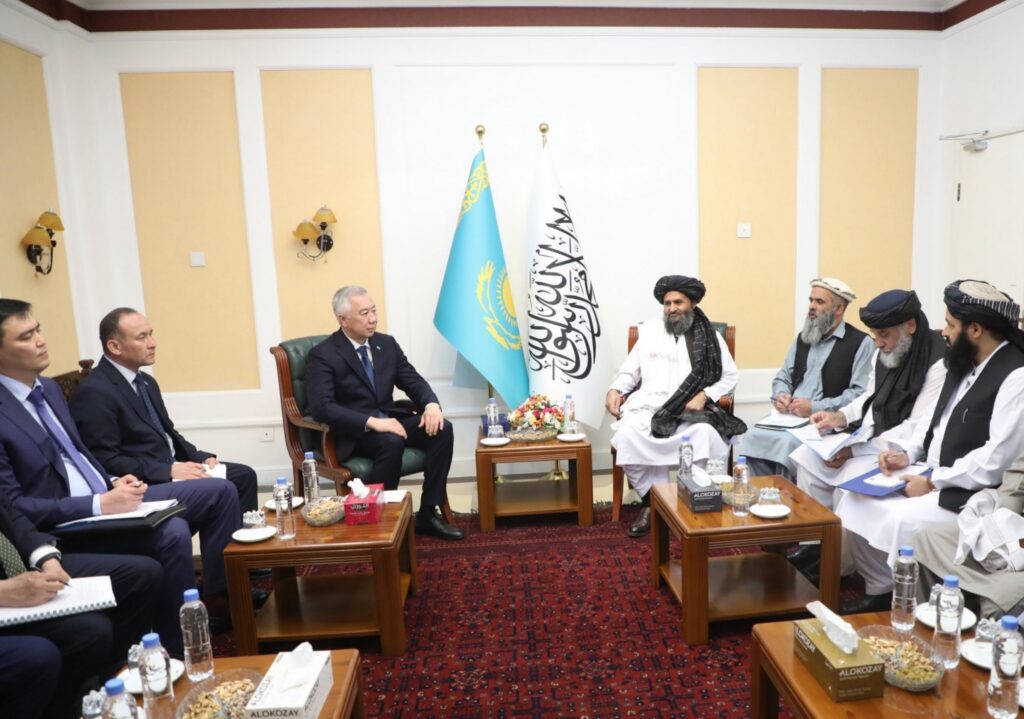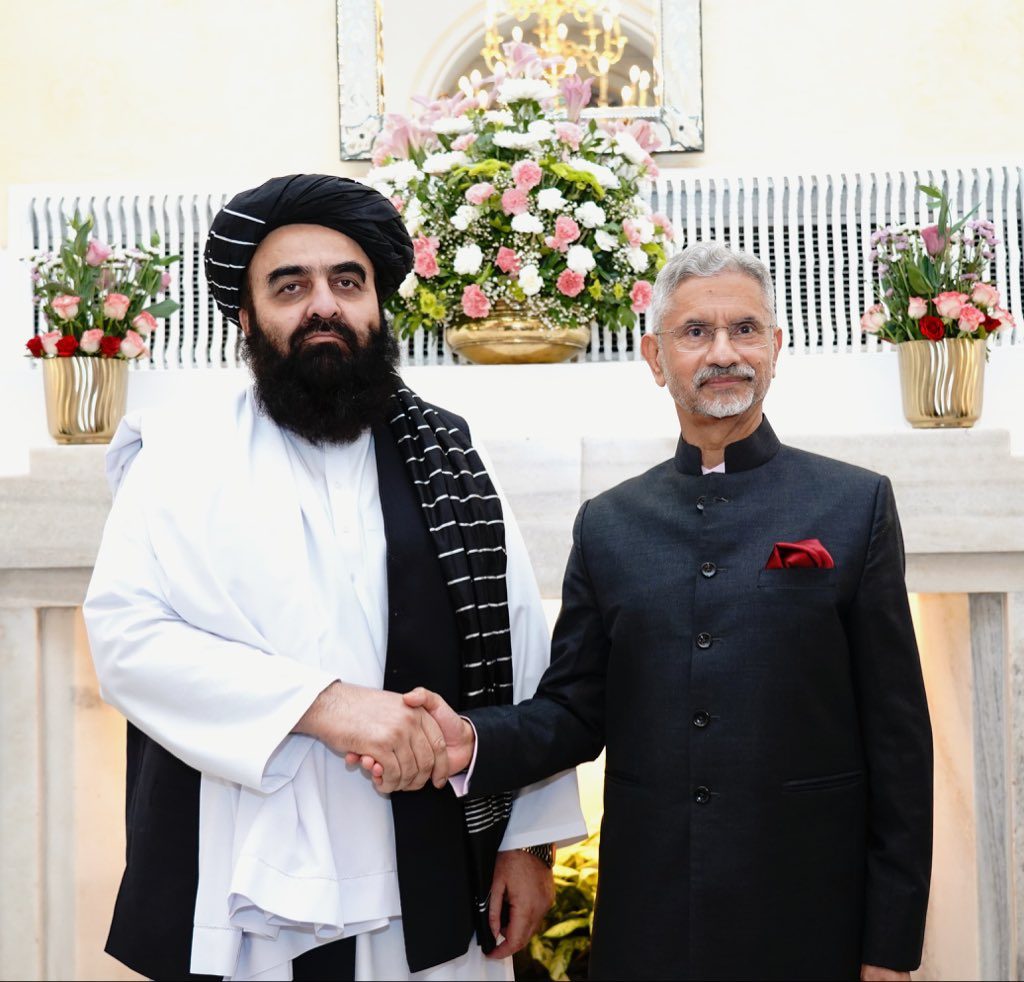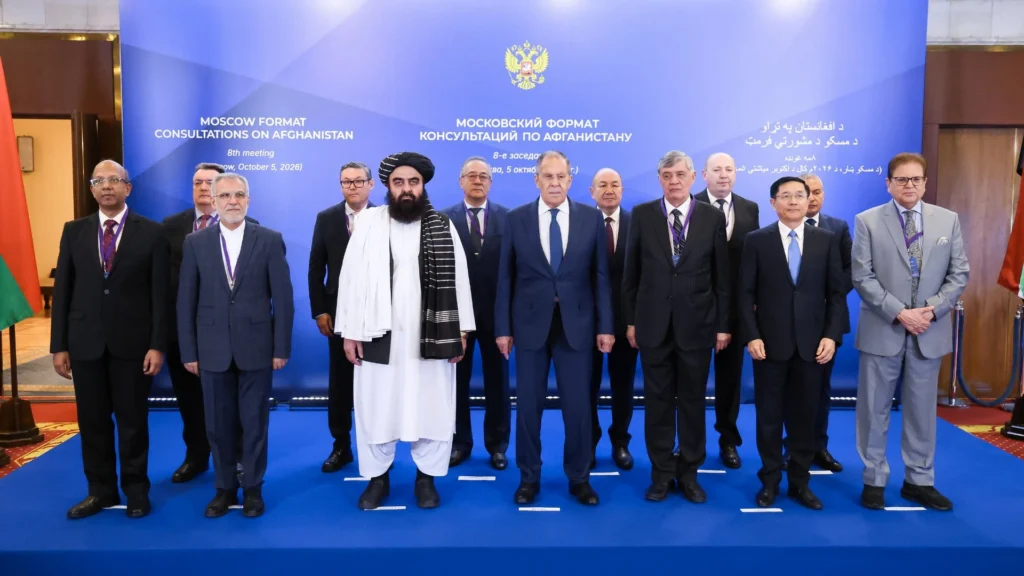
Since returning to power in August 2021, the Taliban have faced a diplomatic paradox: governments that refuse to recognise their rule continue to deal with them. Russia formally recognised the Taliban government in July 2025, but elsewhere engagement has taken less formal forms, ranging from diplomatic contacts and trade negotiations to cooperation on migration, security, and regional connectivity. The result is neither international acceptance nor complete isolation. Instead, Kabul has built working relationships through a pragmatic, issue-based foreign policy that places regional economic and security interests alongside its pursuit of recognition.
The European Union has continued to engage with the Taliban on migration and the return of asylum seekers, while Belarus has deepened its ties with Kabul. Regional powers have maintained diplomatic contacts, expanded trade negotiations, and developed working-level relationships with the Taliban. Iran and the Central Asian states engage with Kabul on security and other practical concerns, while China, India, and Russia seek to advance their economic and strategic interests. Pakistan, however, presents a sharp contrast: its relations with the Taliban have deteriorated markedly.