A selection of recent books shaping debates on economics, politics, and social life at large.
The Player and the Played: From Gamed Capitalism to 21st-Century Fascism
By: Max Haiven
Published: September, 2026
In The Player and the Played, Max Haiven examines how financialised capitalism has turned economic and social life into a competitive game in which people are encouraged to become risk-taking “players” while increasingly feeling “played” by a system they cannot control. He connects this sense of economic insecurity and dispossession to the rise of reactionary and fascistic politics. Moving between financialization, gamification, conspiracy culture, online extremism, and the political influence of technology, Haiven explores how contemporary fascism emerges from the contradictions of a system built around competition, exploitation, and unequal power. The book offers a provocative framework for understanding the relationship between economic structures, political resentment, and the new forms of extremism shaping the twenty-first century.
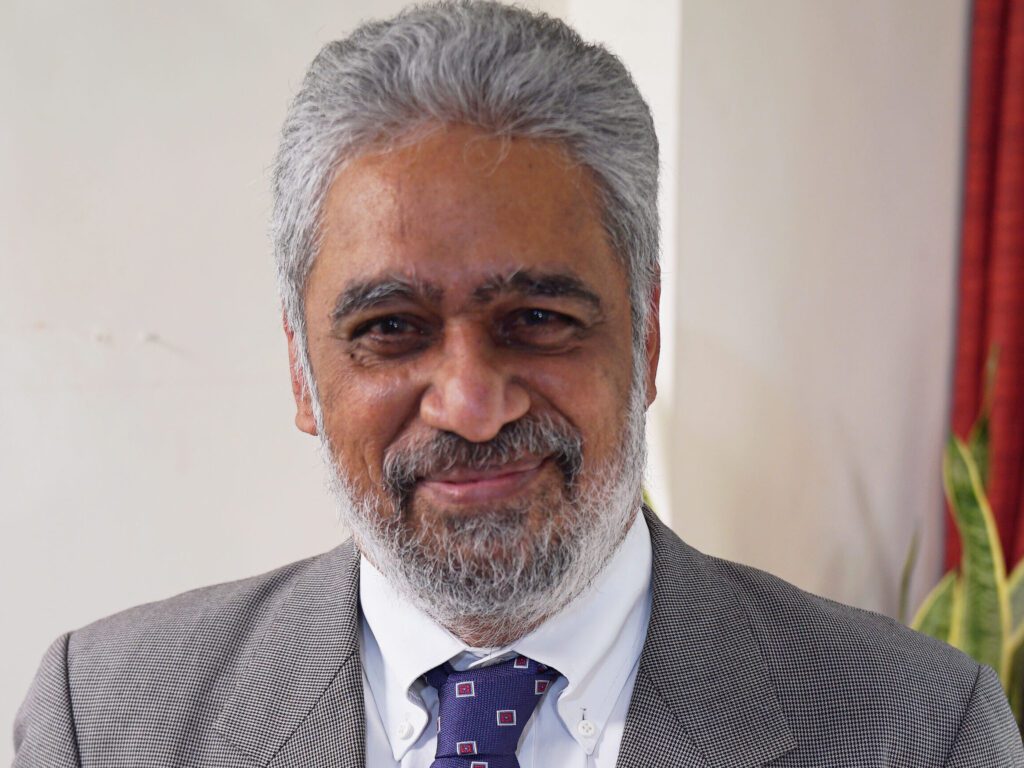
Chindia: Journey to an Asian Century
By: Shastri Ramachandaran
Published: June, 2026
In Chindia, journalist Shastri Ramachandaran draws on his extensive experience working in China to examine the evolution of India–China relations, particularly from 2008 to 2025. He traces the relationship through periods of engagement and tension, from the high point of the Manmohan Singh years to the post-Galwan deterioration, while examining the persistent border dispute and deep trust deficit between the two countries. Ramachandaran argues that economic cooperation remains essential to the prospects of an Asian Century, even as strategic competition continues. With bilateral goods trade reaching $151.1 billion in 2025–26, but accompanied by a record Indian trade deficit, the book’s argument for pragmatic engagement comes against a relationship marked by both economic interdependence and strategic distrust. Chindia offers an insider’s perspective on how India and China might navigate their differences while shaping the future of Asia.
India at War: A History of the Battles that Shaped Modern India
By: D. P. K. Pillay
Published: August, 2026
In India at War, Col. D. P. K. Pillay traces India’s military history from ancient battles and imperial conflicts to the World Wars and the wars of independent India. Moving beyond campaigns and commanders, he examines how warfare, sacrifice, memory, and resilience have shaped India’s historical and national consciousness. The book brings lesser-known stories of Indian soldiers and conflicts into a broader account of India’s civilisational journey, including the experiences of Indian troops who fought under the British Crown and the defence of independent India in Kashmir. By connecting military history with questions of identity and endurance, India at War presents warfare not simply as a record of battles, but as part of the longer story of how modern India was shaped.
China in Myanmar: Geopolitics of Asymmetry
By: Saroj Kumar Aryal & Rajyavishek Pradhan
Published: August, 2026
Part of Routledge’s China–India and the Small States series, China in Myanmar examines the asymmetrical power relationship between Beijing and Naypyidaw and its wider implications for South Asia. Saroj Kumar Aryal and Rajyavishek Pradhan analyse China’s economic and strategic influence in Myanmar, including the Belt and Road Initiative and the China–Myanmar Economic Corridor, while examining how the 2021 military coup, ethnic conflict, and local resistance have complicated Beijing’s ambitions. The authors also explore Myanmar’s efforts to balance dependence on China with its own autonomy. For India, the case is particularly significant: Myanmar’s position at the intersection of South and Southeast Asia makes developments there relevant to regional connectivity, security, and India’s strategic environment.
Is India’s Foreign Policy Contradictory? Understanding Modern Diplomacy through a New Lens
By: Manasi Pritam
Published: July, 2026 In Is India’s Foreign Policy Contradictory?, Manasi Pritam challenges the longstanding view that India’s foreign policy is marked by inconsistency or contradiction. Drawing on Cynthia Weber’s theoretical model of the “logic of simulation”, inspired by Jean Baudrillard, she examines India’s approach to nuclear proliferation, non-alignment, and humanitarian intervention. Pritam argues that conventional approaches to international relations often overlook the importance of trust and morality in diplomatic practice. Rather than viewing foreign policy solely through the pursuit of strategic interests, she proposes a broader lens through which states can simultaneously pursue national objectives and shape the international environment. The book offers a theoretically ambitious reinterpretation of Indian diplomacy and a fresh perspective on how foreign-policy choices are made.