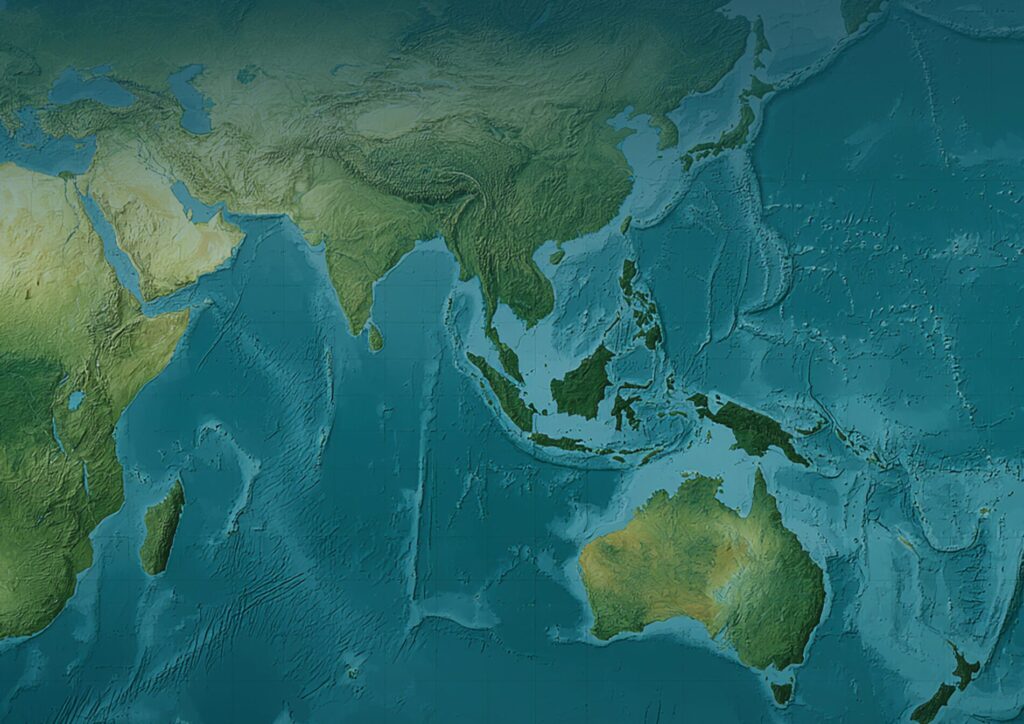
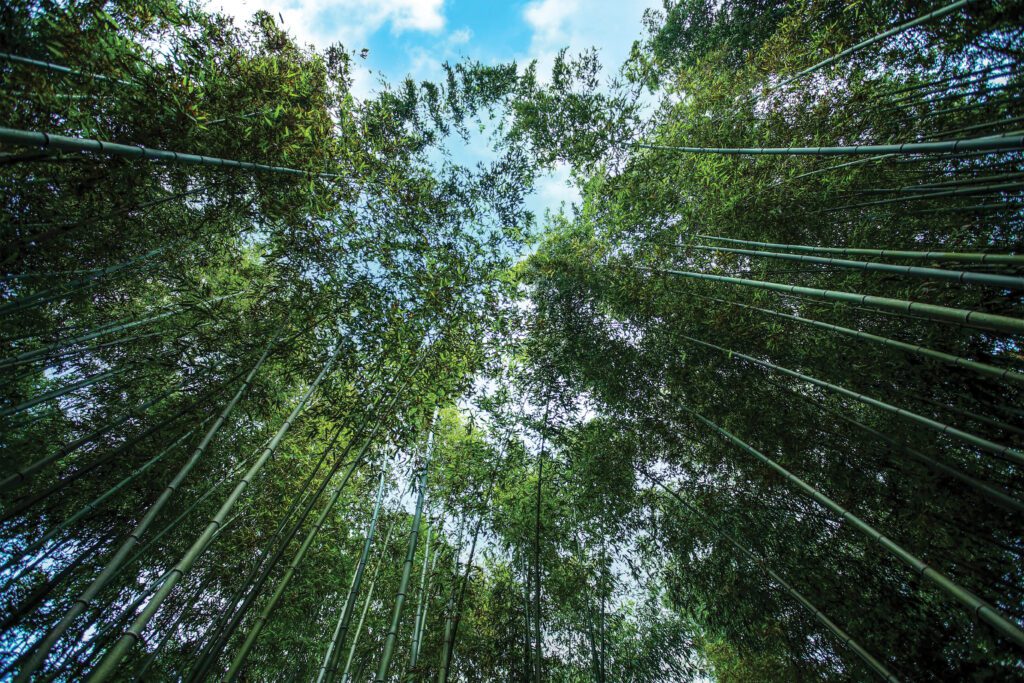
The Indo-Pacific’s shared history is etched not only in monuments and trade routes but also in bamboo, whose enduring presence in culture and craft reflects centuries of cultural exchange, adaptation, and resilience.
Over the summer, I sat atop a stilted bamboo café in a Mishing tribal village on Majuli Island in Assam. While sipping black tea and gazing at a grey and impatient river flowing before me, I was transported to another moment in time, two years ago. In that moment, I was atop a steamer boat in a “floating village” near the famous Lake Tonle Sap in Cambodia. I was bewildered then by several things—the crude desires of the human heart, seeking pleasure from witnessing poverty rebranded into “off-beat” tourism; and the remarkable stark similarities between the stilted houses with bamboo walls in those villages, and the remarkably similar bamboo stilted houses I grew up witnessing in Assam. After Cambodia, I had a pit stop in Thailand where I visited a Karenvillage in the country’s northern hinterlands. The tour guide had proudly proclaimed the Thai government’s success in having turned those erstwhile opium-growing villages into thriving coffee plantations. The community-owned and operated café for coffee tasting was a structure built fully out of bamboo—not too different from the café I was sitting in at Majuli. As I traversed that inner world of memories and experiences, an object continued making a steady appearance, weaving those disparate geographies into a collective whole in my mind—bamboo.