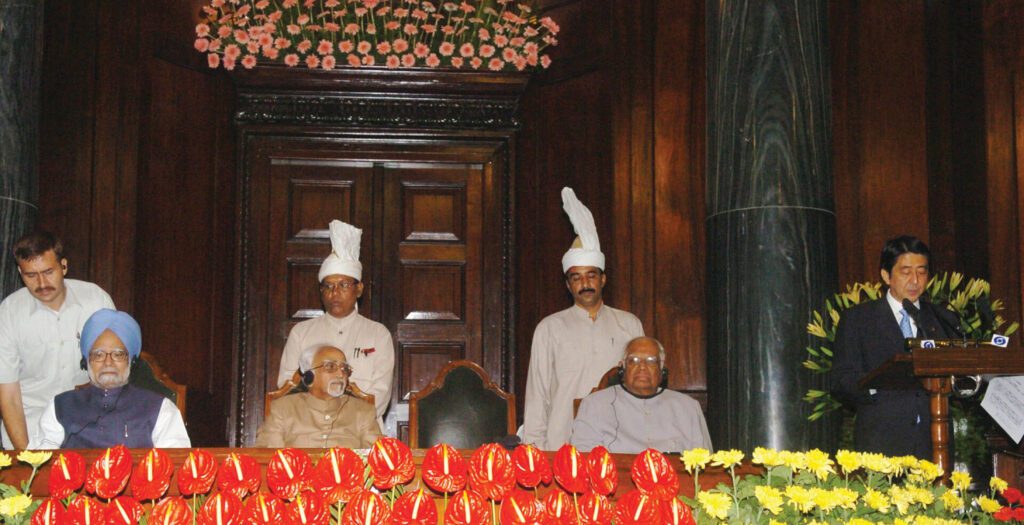
When Shinzo Abe invoked Dara Shukoh in the Indian Parliament, he was doing more than recalling history. He was reminding Asia that some of its oldest ideas may offer the clearest guide to its future.
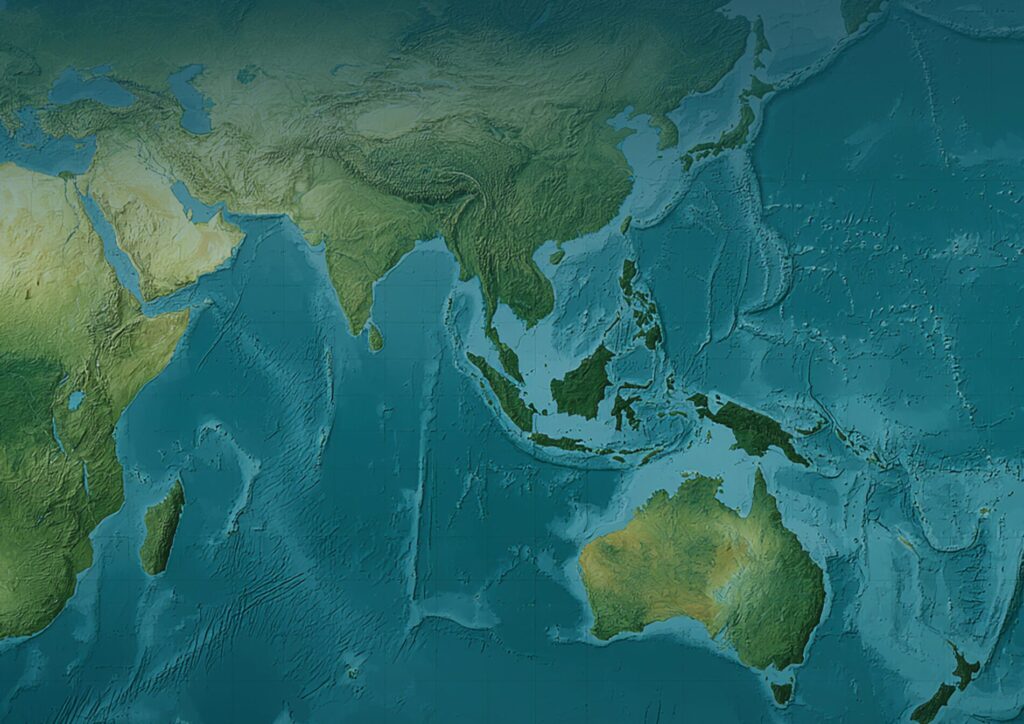
In his now well-known address to the Parliament of India in 2007, the Prime Minister of Japan, Shinzo Abe, had said that “where exactly do we now stand historically and geographically?” He had answered this self-posed question by referring to the Mughal Prince Dara Shukoh’s (1615–1659) tract, Majma ‘ul-Bahrain (1655): “We are now at a point at which the Confluence of the Two Seas is coming into being.”
History is more than dominant narratives. Older ideas, practices, and philosophies are often rediscovered or revived to address present challenges. It is natural for humans to return to history when they face new challenges. History may not necessarily provide a complete answer, but it may help in comparing the situation, drawing some parallels and learning some lessons. After all, history repeats itself.