Decoding the vocabulary of statecraft.
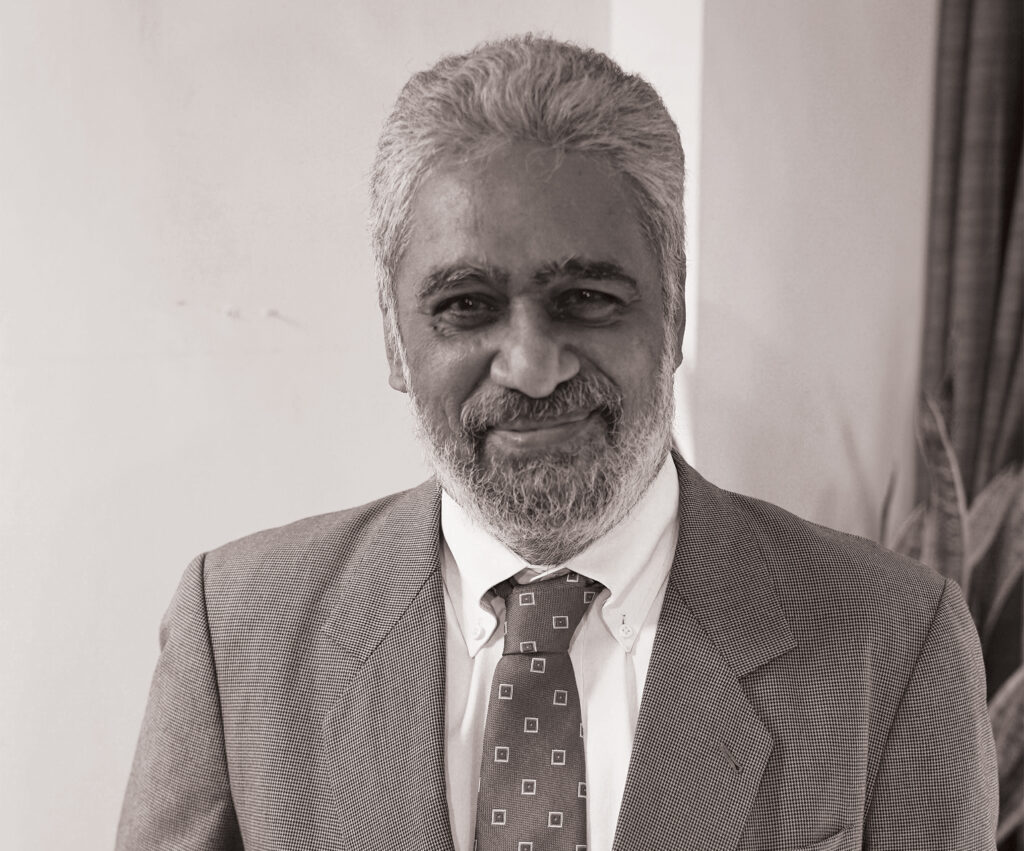
| Practitioner’s View Deepak Bhojwani is a former Indian Ambassador to Colombia, Venezuela, and Cuba. | Scholar’s View T.V. Paul is Distinguished James McGill Professor of Political Science at McGill University. |
| Modus vivendi | |
| Modus vivendi is an informal understanding between parties which normally have opposing views and/or positions but set them aside to focus on non-contentious aspects of their relationship. India’s substantial political and economic engagement with China despite differences, including the unresolved border issue, is a case in point. | Modus vivendi is often referred to as a minimum agreement among conflicting parties without fully resolving all the issues in dispute. It has major relevance today, as the competing great powers, especially the US and China, can find a modus vivendi that prevents them from sliding into intense rivalry and violence. To me, it is a critical element of the peaceful coexistence of countries, civilisations, and religious systems that need not agree on everything but do need to coexist for the common good. |