When independence arrived in Burma in January 1948, it came shadowed by assassination, insurgency and economic ruin. At the centre stood U Nu, a Buddhist who preferred meditation to governance, a writer who would rather have been remembered for his plays than his policies. His years in office would be shaped by a paradox: a devout Buddhist forced to fight wars, a reluctant leader compelled to hold together a country coming apart at its seams.
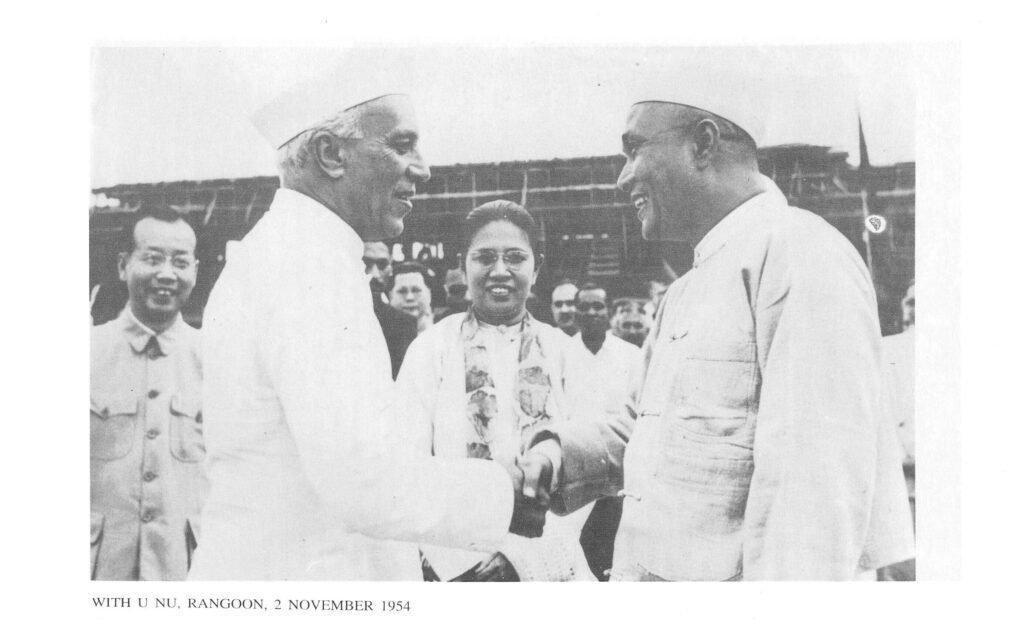
U Nu’s life ambitions seemed rarely ever in sync with their circumstances. Even while he served as Burma’s first prime minister, this practising Buddhist would occasionally don the robes of a monk and retreat into meditation. He longed to be remembered as ‘the George Bernard Shaw of Burma’, for his real talent was being a playwright. A political agitator of reputable standing in his younger days, his fervent leftist anti-colonialism could never cross over to its actual culmination, Marxism, because a practising Buddhist nationalist couldn’t go full throttle with a religion-is-opium Marx. Most tragically perhaps, he was a deeply reluctant politician who was thrust onto the premiership by the force of catastrophic circumstances. The country’s designated leader, Aung San, and six top cabinet ministers had been assassinated just months before independence. Like his dear friend Jawaharlal Nehru, U Nu then made an art form out of threatening to quit the premiership. But unlike Nehru, he succeeded in quitting voluntarily at least once. Eventually, however, he was forcefully removed through a coup, or rather coups—because he was deposed twice (in 1958 and 1962) by the same military general.