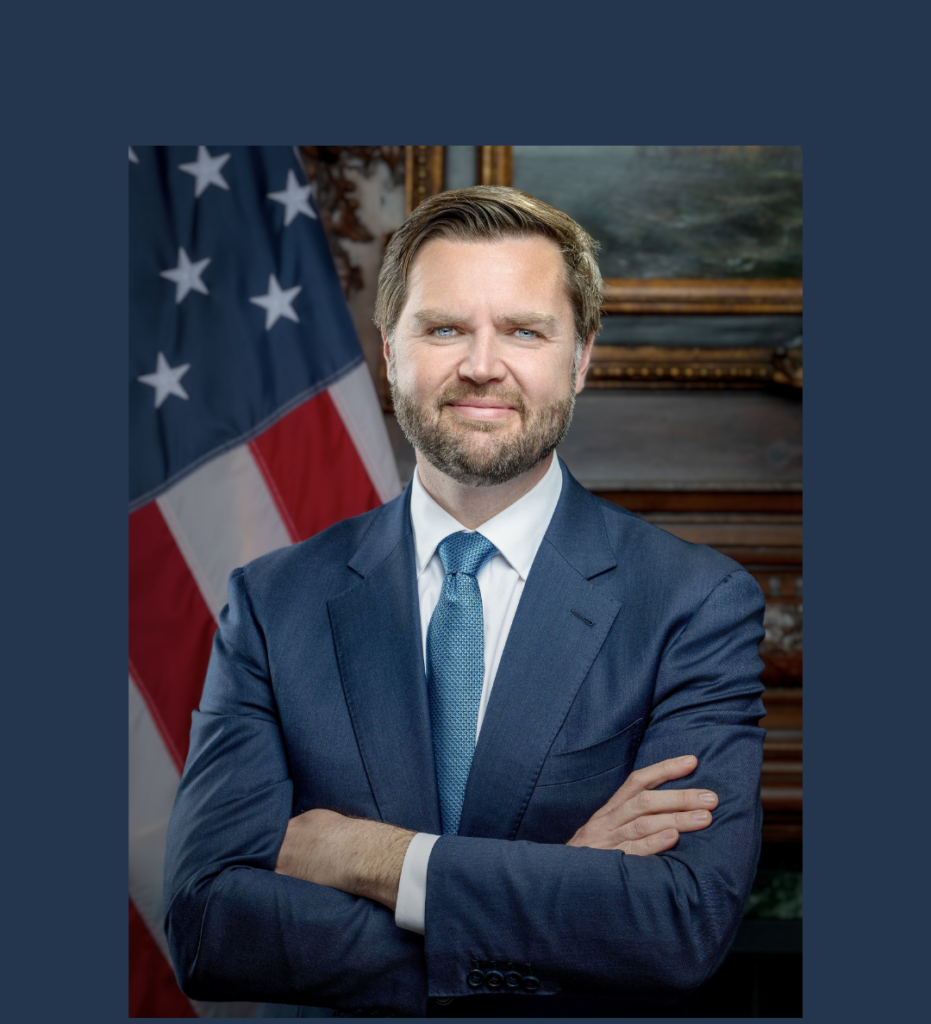
James David Vance is the 50th Vice President of the United States, serving under President Donald J. Trump. He is recently in India for a four-day visit aimed at strengthening shared economic and geopolitical priorities and advancing momentum in ongoing bilateral trade negotiations. During the visit, he met Prime Minister Narendra Modi on April 21, offering both sides an opportunity to advance the progress in various areas of bilateral cooperation including India–U.S. bilateral trade agreement. This marked Vice President Vance’s first official visit to India since assuming office.
He is accompanied by his wife, Usha Vance, the Indian-American Second Lady whose parents migrated to the U.S. from Andhra Pradesh, along with their children. Their visit included cultural and private engagements in Jaipur and Agra, including visits to the Taj Mahal and Amber Fort—gestures that highlight the softer dimensions of diplomacy through cultural appreciation and family inclusion.
Born in Middletown, Ohio, in 1984, J.D. Vance grew up in a working-class family marked by economic instability, familial struggles, and the challenges many working-class families faced in post-industrial America. During these difficult years, Vance found stability in the care of his maternal grandparents—especially his grandmother, whom he affectionately called “Mamaw.” Their support played a key role in shaping his values and helping him stay on track during a tough upbringing.
A former U.S. Senator from Ohio, Vice President Vance served in the U.S. Marine Corps after high school, including a deployment to Iraq as a military journalist. He later earned degrees from The Ohio State University and Yale Law School, where he was mentored by conservative legal scholar Amy Chua.
Before entering politics, Vance worked in venture capital and founded the “Rise of the Rest” fund, focusing on entrepreneurship in Middle America. He was mentored by tech investor Peter Thiel, who played a pivotal role in launching his political career—most notably by contributing $15 million to his successful 2022 Ohio Senate campaign.
Vance rose to national prominence with his 2016 memoir, Hillbilly Elegy: A Memoir of a Family and Culture in Crisis, which chronicled his upbringing in a working-class Appalachian family and offered insights into poverty and addiction in Rust Belt America. The memoir was seen by many as a key to understanding the Trump-era electorate and was later adapted into a Netflix film.
His wife, Usha Chilukuri Vance, is a Yale Law graduate and accomplished attorney. A devout Hindu, fluent in Telugu, and deeply connected to her cultural roots, she has been a profound influence on Vance’s personal and spiritual journey. Hinduism, in fact, played a role in his reconnection with Christianity.
Vice President Vance’s visit came at a pivotal moment in U.S.–India relations, amid shifting global alliances and critical economic decisions. Key agenda items included addressing tariff disputes, expanding market access, and resolving ongoing issues around student visas and the deportation of undocumented Indian immigrants.
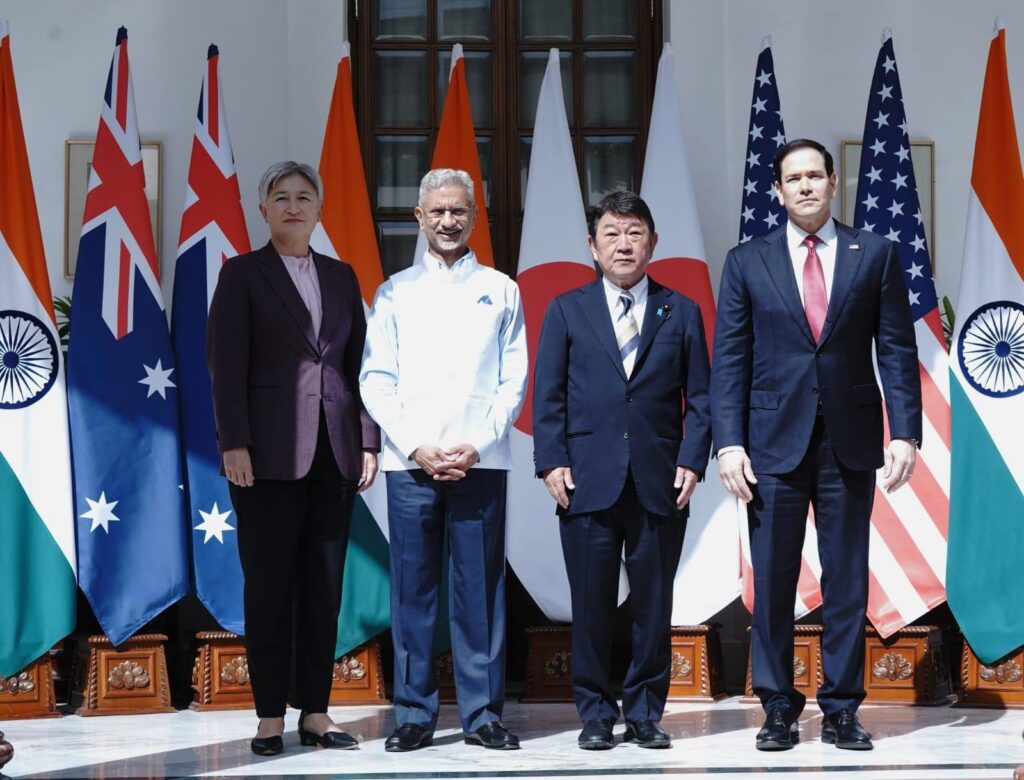
India remains one of the U.S.’ closest partners in trade, foreign investment, and defence cooperation. Both nations are central players in the Indo-Pacific and active members of the QUAD—alongside Japan and Australia—seeking to counterbalance China’s regional assertiveness.
A major talking point was the proposed bilateral trade deal under the ambitious ‘Mission 500’ framework, which aims to double India–U.S. trade to $500 billion by 2030. Discussions focused on reducing tariff and non-tariff barriers, improving supply chain integration, and enhancing technology cooperation.
The visit is also significant as the first high-level bilateral engagement since President Trump announced reciprocal tariffs on global trading partners—currently under a temporary 90-day review.
The dialogue between PM Modi and VP Vance served as both a symbolic and substantive gesture, reaffirming the strategic depth of the India–U.S. relationship, marking a new chapter in one of the most important global partnerships of the decade.