The establishment of the India–Canada Migration and Mobility Dialogue marks an attempt by the two countries to give greater institutional structure to the movement of students, skilled workers and professionals between them. The inaugural meeting, held in New Delhi on 26 October 2026, brought together senior officials from India’s Ministry of External Affairs (MEA) and Canada’s Immigration, Refugees and Citizenship Canada (IRCC). The two sides signed the Terms of Reference for the dialogue, agreed to hold it annually and decided to support it through a Joint Working Group on Migration and Mobility. The initiative comes as both countries seek to strengthen people-to-people ties and expand economic cooperation. But what does the new mechanism actually establish, and how might it shape future migration and mobility arrangements?
What the New Framework Establishes
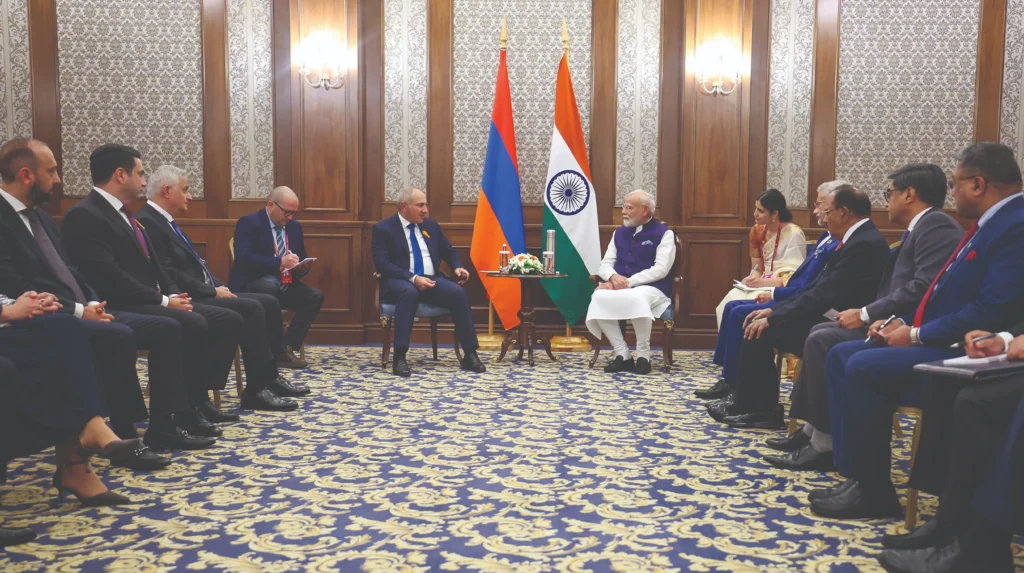
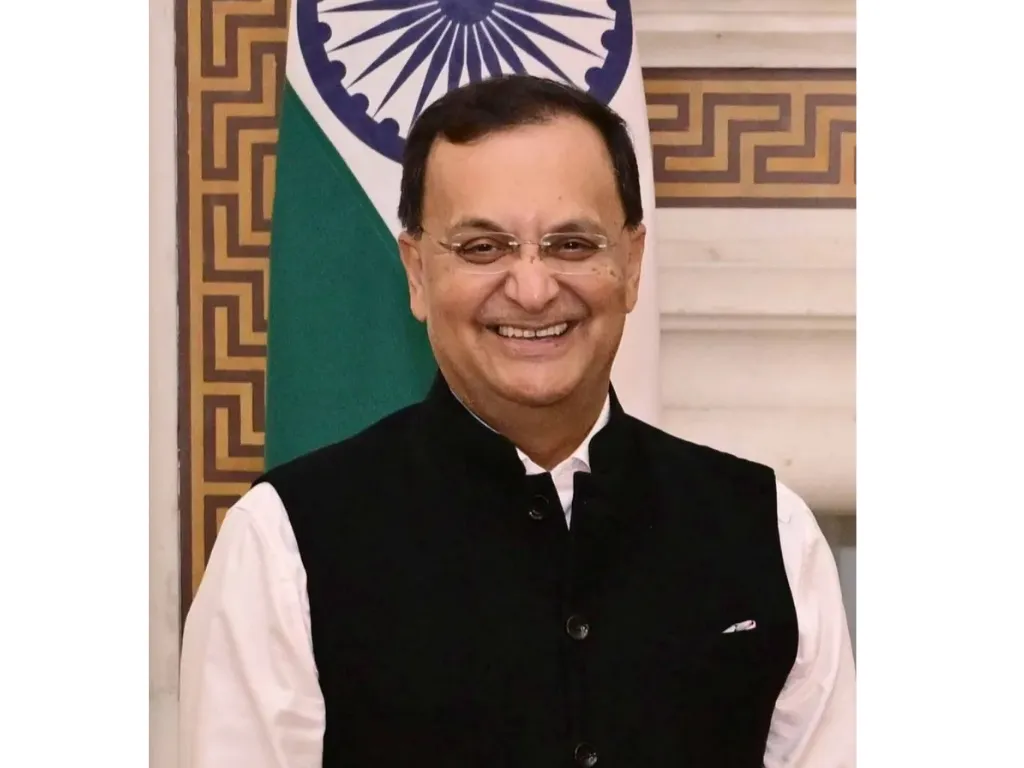
The inaugural India–Canada Migration and Mobility Dialogue was co-chaired by Sripriya Ranganathan, Secretary (Consular, Passport, Visa and Overseas Indian Affairs) in India’s Ministry of External Affairs, and Ted Gallivan, Deputy Minister of Immigration, Refugees and Citizenship Canada.
The central outcome was the signing of the Terms of Reference (ToR), providing an institutional basis for the dialogue. The two governments agreed that it would be held annually and supported by a Joint Working Group on Migration and Mobility. They also decided that the next meeting would take place in Canada on mutually convenient dates.
According to the Indian government’s announcement, discussions at the inaugural meeting focused on the mobility of international students, skilled workers, professionals and business visitors, as well as cooperation on migration management. The MEA described the initiative as a response to the complementarity between India’s young and skilled workforce and Canada’s demographic and labour-market trends.
The framework is significant because it creates a dedicated and recurring channel for the two governments to address issues affecting the movement of people. Rather than relying exclusively on broader diplomatic consultations, India and Canada will have a mechanism specifically concerned with migration and mobility.
However, the distinction between establishing a dialogue and concluding a migration agreement is important. The October announcement does not introduce a new visa category, reserve work permits for Indian nationals, create a special permanent residency route or provide automatic recognition of Indian professional qualifications. Nor does it announce changes to Canada’s existing study permit requirements.
The immediate achievement, therefore, is institutional rather than regulatory: both countries have established a formal mechanism through which they can discuss existing mobility challenges and explore further cooperation.
The Framework in the Context of Existing India–Canada Commitments
The October dialogue did not emerge in isolation. It builds on a series of commitments made during the renewal of India–Canada relations in 2025 and 2026, particularly in education, research cooperation, and talent mobility.
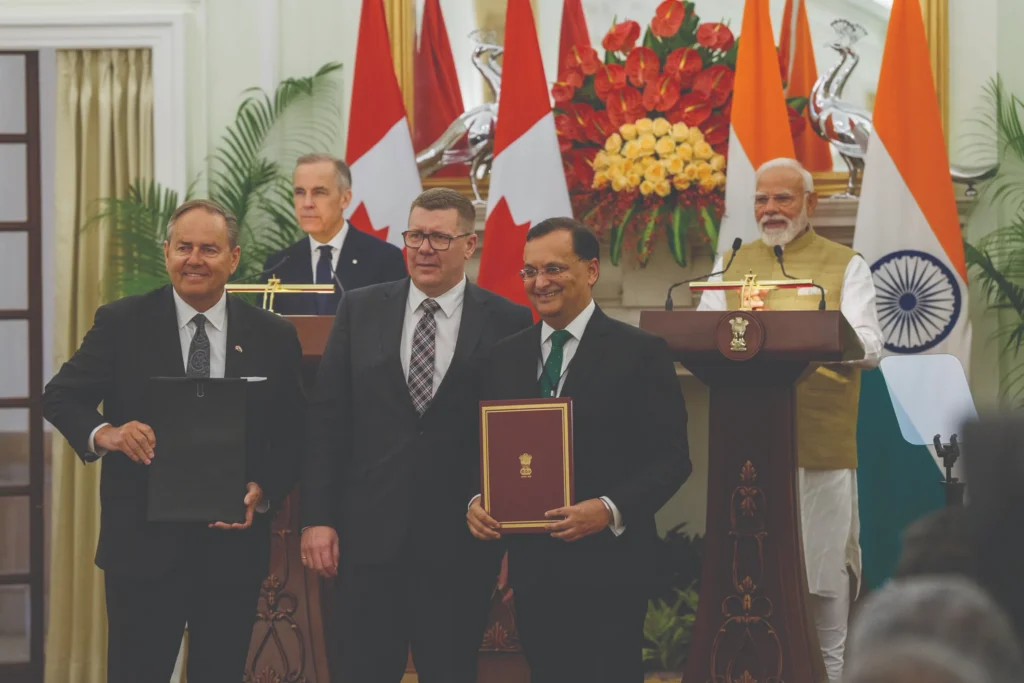
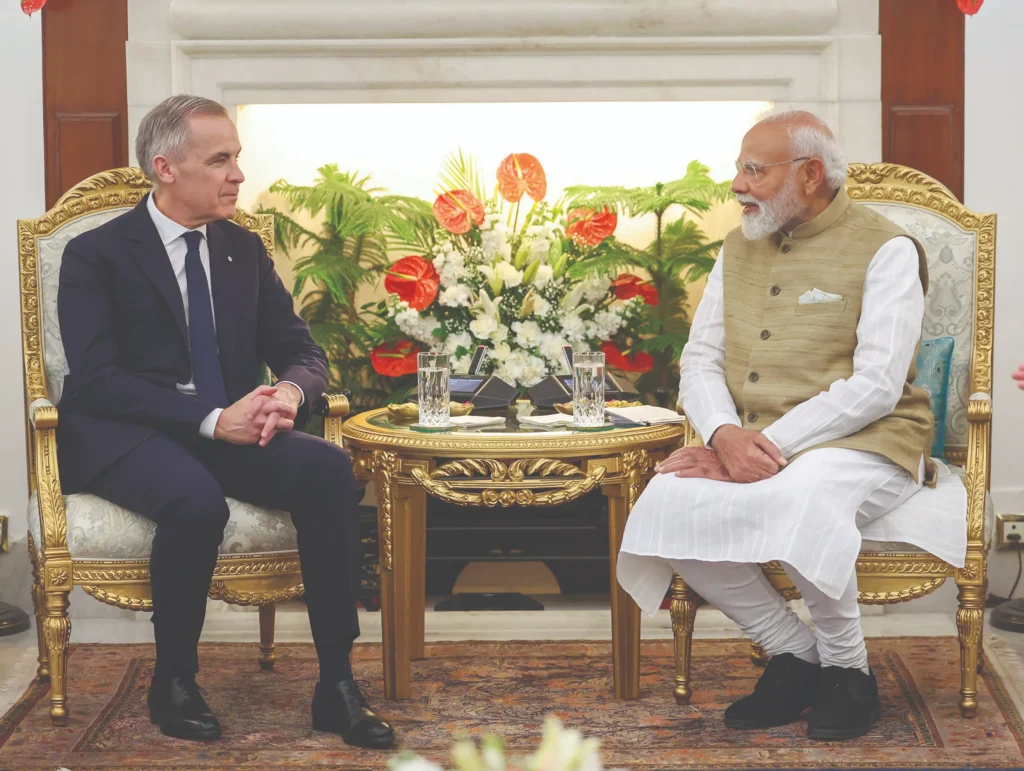
A significant foundation was laid during Canadian Prime Minister Mark Carney’s visit to India from 27 February to 2 March 2026. In their joint statement, Prime Minister Narendra Modi and Carney identified education and talent mobility as central to strengthening people-to-people relations. They acknowledged that the movement of students, researchers, and professionals had benefited both countries by strengthening innovation ecosystems and supporting economic growth.
The leaders agreed to deepen cooperation between higher education institutions through industry-aligned skills training, joint and dual-degree programmes, twinning arrangements, research partnerships in emerging technologies, and opportunities for leading Canadian institutions to establish offshore campuses in India. They also agreed to revitalise the Joint Working Group on Higher Education.
One concrete outcome was a Memorandum of Understanding between India’s All India Council for Technical Education (AICTE) and Canada’s Mitacs, an organisation supporting research and innovation partnerships. The agreement will enable 300 eligible Indian undergraduate students annually, for three years beginning in 2027, to undertake fully funded, 12-week research internships at Canadian universities through the Globalink Research Internship programme. The placements will cover disciplines ranging from science, engineering, and mathematics to the humanities and social sciences.
Another development was the launch of the Canada–India Talent and Innovation Strategy on 28 February 2026 by Universities Canada and Colleges and Institutes Canada. The initiative brought together more than 20 Canadian institutions and included the announcement of 13 new partnerships. Its four pillars focus on embedding Canadian capabilities in India’s priority sectors, translating knowledge and talent into economic outcomes, deepening two-way talent flows, and improving the delivery of institutional partnerships.
The strategy is intended to facilitate research collaboration, student exchanges, hybrid campuses and centres of excellence in artificial intelligence. It is a separate education-sector initiative, but provides an important institutional foundation for the broader mobility agenda.
The International Labour Organization’s (ILO) project, Promoting Safe Employment Pathways and Fair Recruitment Practices, provides another relevant dimension. Supported by Canada’s IRCC, the project has been underway since March 2024 and is scheduled to run until May 2028. It aims to strengthen skills recognition and comparability systems while promoting fair recruitment practices along the India–Canada migration corridor.
Consultations held in New Delhi on 28 and 29 July 2026 examined ways to improve the recognition and comparability of qualifications between countries. The technical discussions considered qualification levels, learning outcomes, training volume, assessment systems, quality assurance and occupational standards. Participants also identified preparatory work for possible pilot testing in care, construction and renewable energy between India and selected Canadian provinces.
The ILO initiative is particularly relevant because differences in educational standards, professional certification and skills assessment can prevent qualified Indian workers from accessing employment opportunities abroad. Its work seeks to address these practical barriers, although it does not itself establish mutual recognition of Indian qualifications in Canada.
The broader diplomatic framework was reinforced through the annual India–Canada Foreign Office Consultations held in New Delhi on 2 September 2026. The two sides reviewed institutional cooperation across education, science and technology, security, defence, culture, people-to-people relations and consular matters.
Taken together, these developments demonstrate that the October dialogue forms part of a wider effort to strengthen institutional cooperation. While education initiatives focus on academic and research exchanges, and the ILO project addresses skills recognition and fair recruitment, the new dialogue provides a dedicated bilateral forum for discussing the broader movement of people.
What Could the Framework Deliver?
The practical significance of the new dialogue will depend on how the two governments use it to address the issues identified in its inaugural meeting. Its stated areas of discussion offer three broad avenues for cooperation.
Student Mobility and Educational Opportunities
International students are one of the most visible dimensions of India–Canada people-to-people relations. The commitments made during Carney’s visit provide an existing basis for expanding academic and research exchanges.
The new dialogue could offer a platform to discuss issues affecting student mobility, including admission procedures, study permit processes, student protection and the transition from education to employment. It could also complement cooperation on joint degrees, university partnerships and research placements. However, the October announcement does not indicate any change to Canada’s international student admission system or study permit requirements.
Skilled Workers and Professional Mobility
For skilled workers and professionals, the recognition of qualifications is a major practical consideration. Differences in educational standards, professional certification and licensing requirements can make it difficult for individuals to transfer their skills across borders.
The ILO-supported initiative provides an existing basis for addressing some of these difficulties. Its work on comparing qualifications could help employers and institutions better assess overseas training and professional experience. Potential cooperation in care, construction and renewable energy could also help identify areas where skills shortages and workforce requirements overlap.
The Migration and Mobility Dialogue could provide a government-to-government setting to discuss these challenges and examine possible ways forward. However, the recognition of qualifications will also require the involvement of relevant professional and regulatory bodies. The October announcement does not establish automatic recognition of Indian degrees, professional licences or certifications in Canada.
Business Visitors and Migration Management
The inclusion of business visitors expands the dialogue beyond students and employment-based migration. Executives, investors, technical specialists, and company representatives need opportunities to travel for meetings, negotiations, commercial activities, and project-related engagements. Addressing practical mobility concerns could support the broader trade and investment relationship.
Migration management is another important component. The two governments could use the dialogue to address issues relating to lawful migration, fraudulent recruitment, exploitation of workers and irregular migration. The ILO’s work on fair recruitment offers a relevant foundation for such discussions, particularly in promoting transparent recruitment practices and protecting migrant workers.
Canada’s wider immigration policy will also shape the environment in which the dialogue operates. Its November 2026 Immigration Levels Plan sets targets of 370,000 new temporary resident arrivals and 380,000 permanent resident admissions annually for 2027–29. The temporary resident target comprises 220,000 workers and 150,000 international students each year. Canada says the plan is intended to balance a more sustainable immigration system with the need to attract talent and address labour shortages. The targets for 2028 and 2029 are provisional and subject to subsequent review.
For India, this creates an important policy context. The objective is not simply to increase the number of people moving to Canada, but to ensure that qualified students and workers have transparent and predictable opportunities within Canada’s immigration system.
The dialogue itself, however, does not alter these national targets or guarantee preferential access for Indian citizens.
Ultimately, the effectiveness of the framework will be judged by what follows its inaugural meeting. The publication of the Terms of Reference, a clear work programme for the Joint Working Group, and progress on issues such as skills recognition, student protection and fair recruitment will indicate whether the dialogue can move beyond consultation.
The decision to institutionalise migration and mobility discussions is an important step in the renewed India–Canada relationship. Its real value will lie in translating that institutional commitment into practical cooperation that benefits students, workers, professionals, and businesses in both countries.