India and Canada have compelling reasons to reconcile. But will this alignment of interests endure, or will the next political shock expose how little has truly changed?
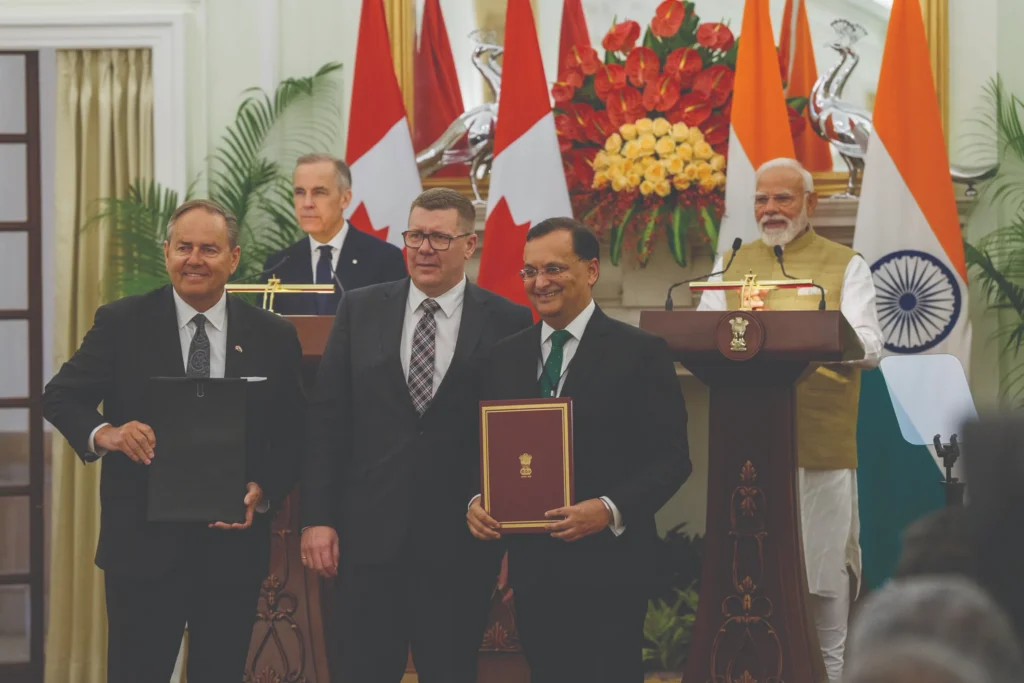
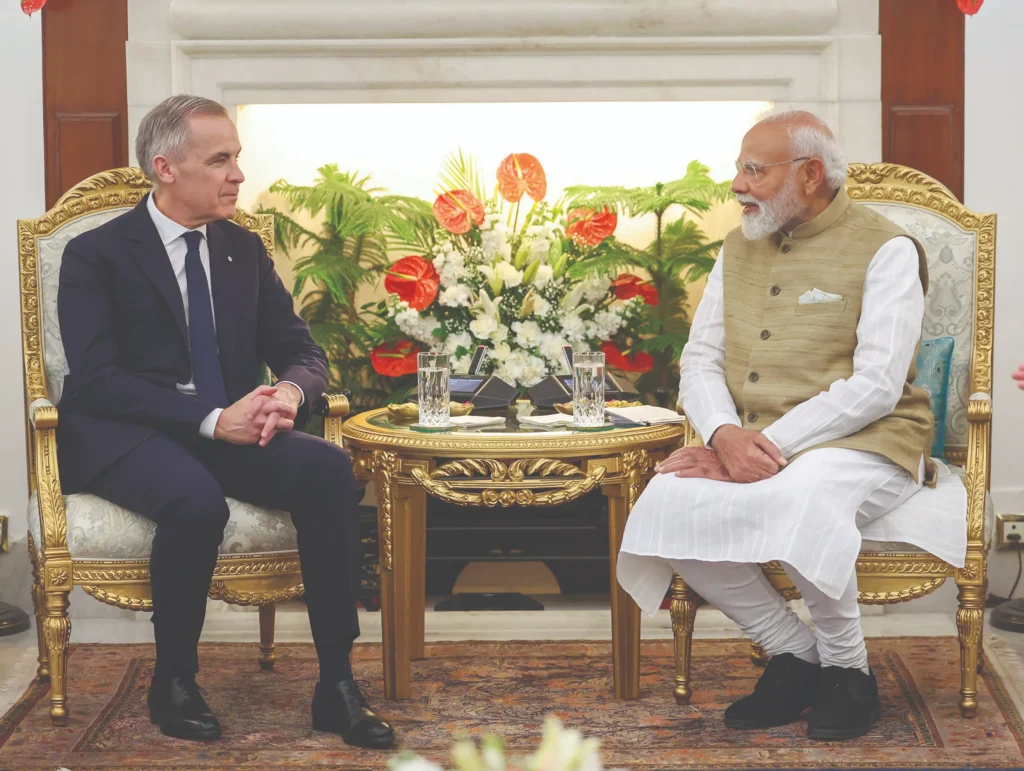
Two years ago, Canada–India relations were at a nadir. Today Ottawa and New Delhi are moving with urgency. A few weeks ago, Canada’s trade minister, Maninder Sidhu, led the largest Canadian trade mission to India in decades, and Foreign Minister Anita Anand visited New Delhi the same week. Five rounds of negotiations on a Comprehensive Economic Partnership Agreement (CEPA) are complete, and both sides want a deal by year-end, before Prime Minister Narendra Modi’s expected visit to Canada.
The ongoing reset is worth pursuing. Canada’s willingness is not in doubt; the Carney government has made that clear. New Delhi should instead be asking two harder questions. Can Canada reliably supply what India needs for its economic security, namely energy, critical minerals, and technology? And has enough institutional ballast been built around the relationship to absorb the next political shock? Whether Canada can deliver on either count will take years to judge. But one thing has changed—with its largest market now unreliable, Canada has a more immediate incentive to secure the relationship with India. India can use access to its large market as leverage, but that leverage is limited. Canada can and is pursuing other markets, and India has little immediate need for Canadian energy or minerals.