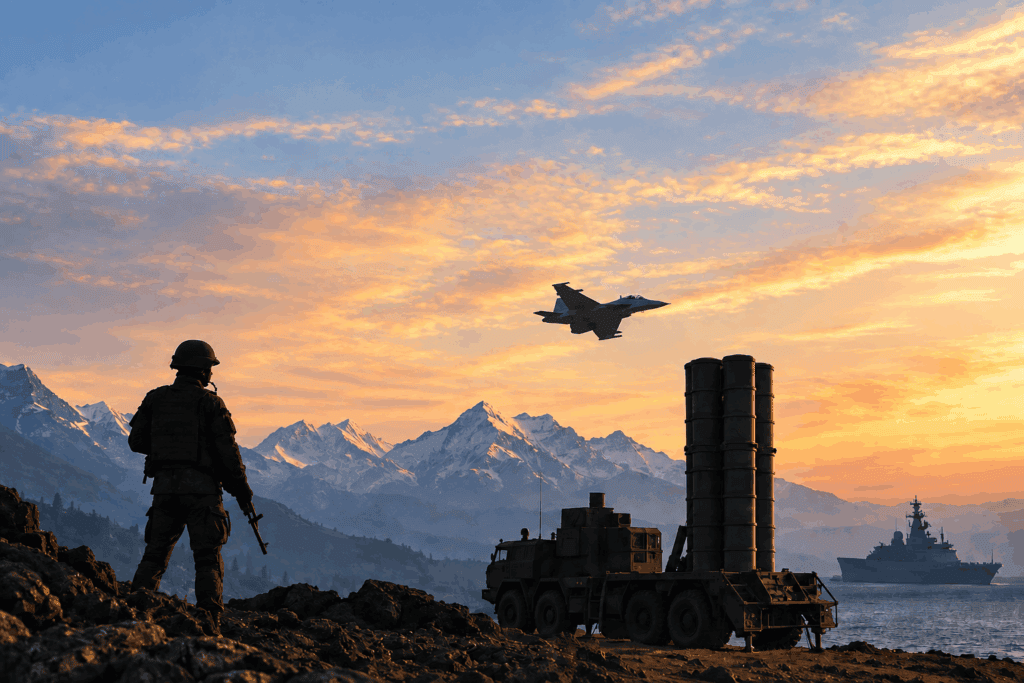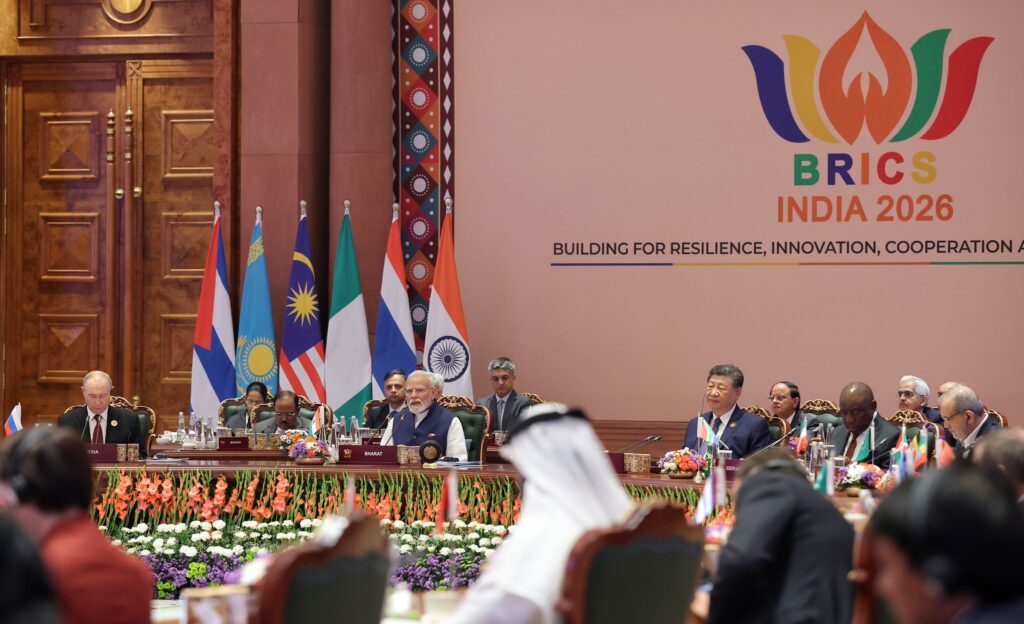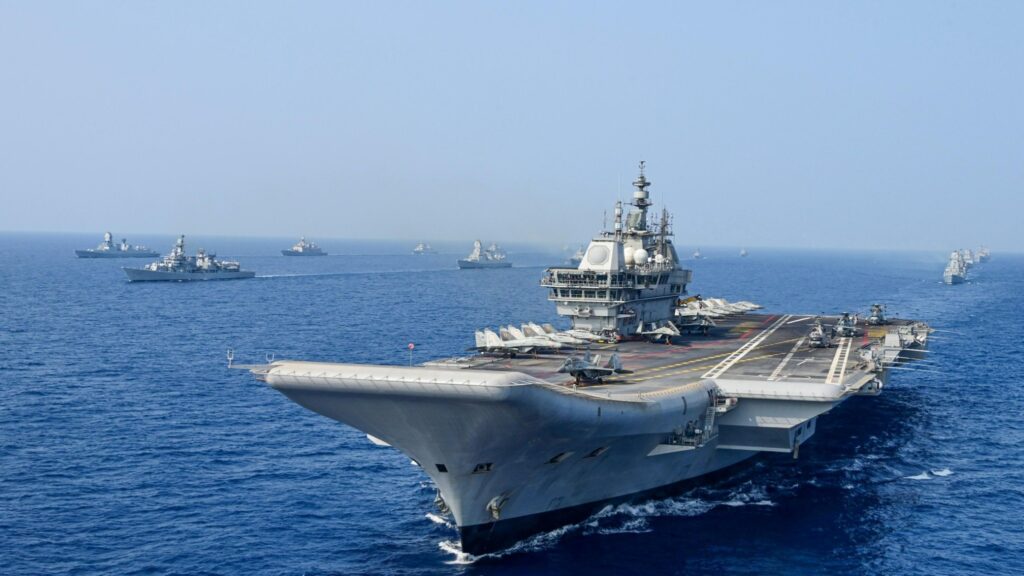
The Indo-Pacific has faced several challenges over the last decade, ever since Japan articulated a Free and Open Indo-Pacific (FOIP), a period that was also marked by several countries adopting and promoting their own versions of the Indo-Pacific. The concerns range from potential military conflicts in the Taiwan Strait or the South and East China Seas and, most recently, the military blockade in the Strait of Hormuz, which spilled over into the Indian Ocean after a US submarine sank an Iranian military ship off the coast of Sri Lanka. The challenge for policymakers in the region is no longer simply about scenario-based planning around flashpoints but about confronting simultaneous military conflicts and a broader set of geopolitical issues. The Indo-Pacific is therefore moving toward developing an architecture that looks beyond singular crises. Although this evolving framework is neither established nor clear yet, there is an acknowledgement that the current security structure is in flux. This article proposes a possible direction for the emerging architecture considering the realities of the Indo-Pacific.