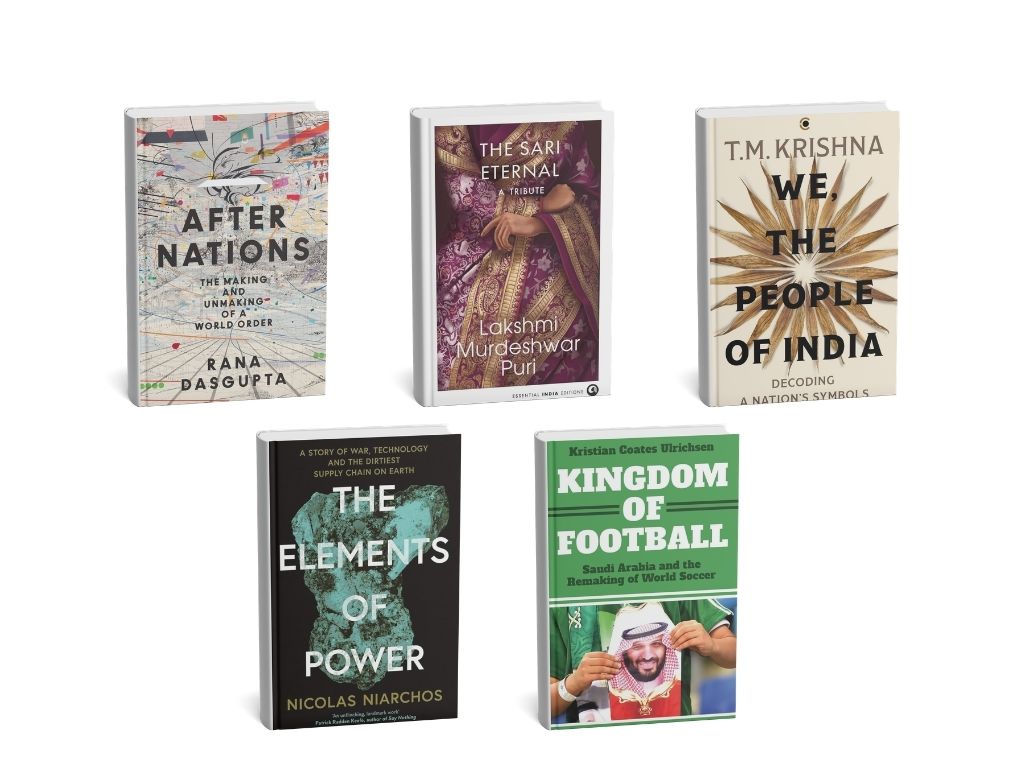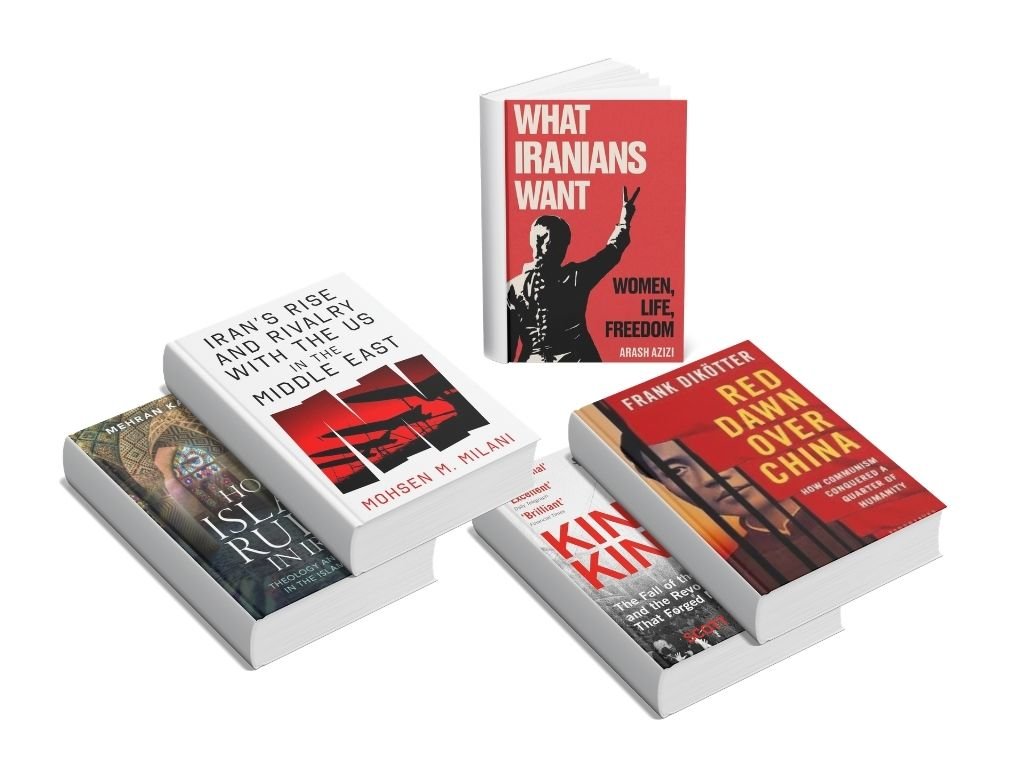
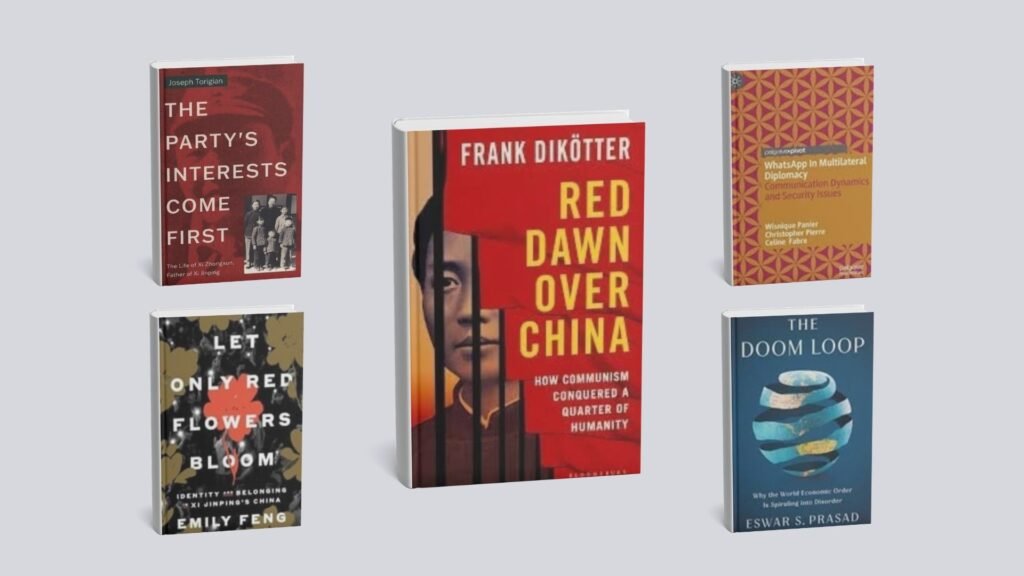
A selection of recent books shaping debates on economics, politics, and social life at large.
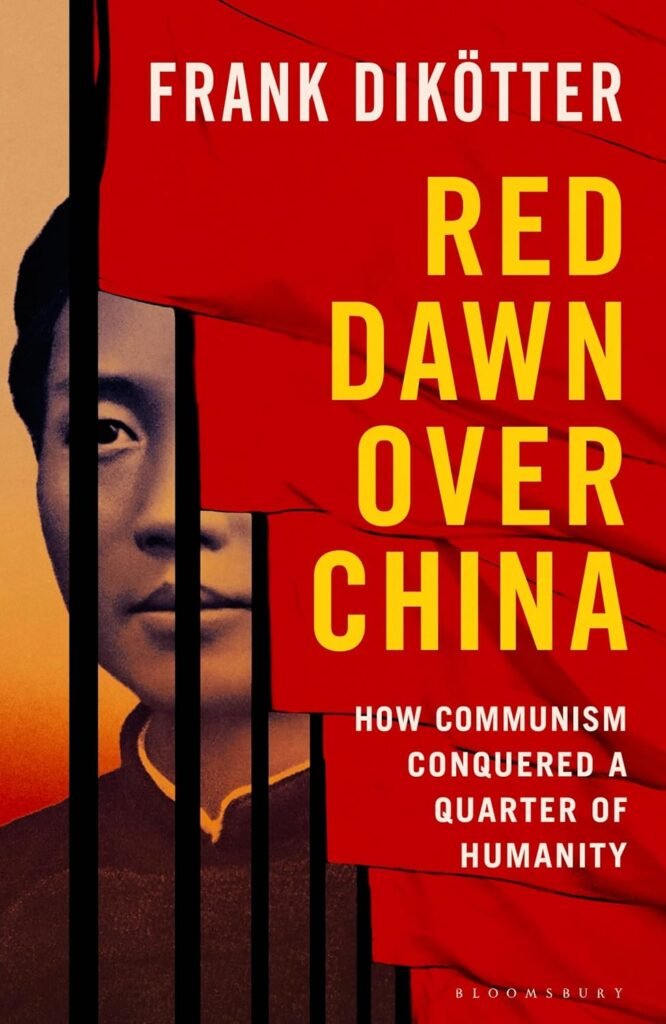
Red Dawn Over China: How Communism Conquered a Quarter of Humanity
By: Frank Dikötter
Published: February 2026
Drawing on newly uncovered archival materials, Dikötter challenges the notion that the Chinese Communist Party’s 1949 triumph was historically inevitable. He contends that decisive Soviet military and financial backing, rather than widespread grassroots enthusiasm, tipped the balance after decades of devastating civil war. Spanning 1921 to 1949, the book portrays the Communist rise as a relentless war of attrition marked by hardship, opportunism, and calculated political manoeuvring.
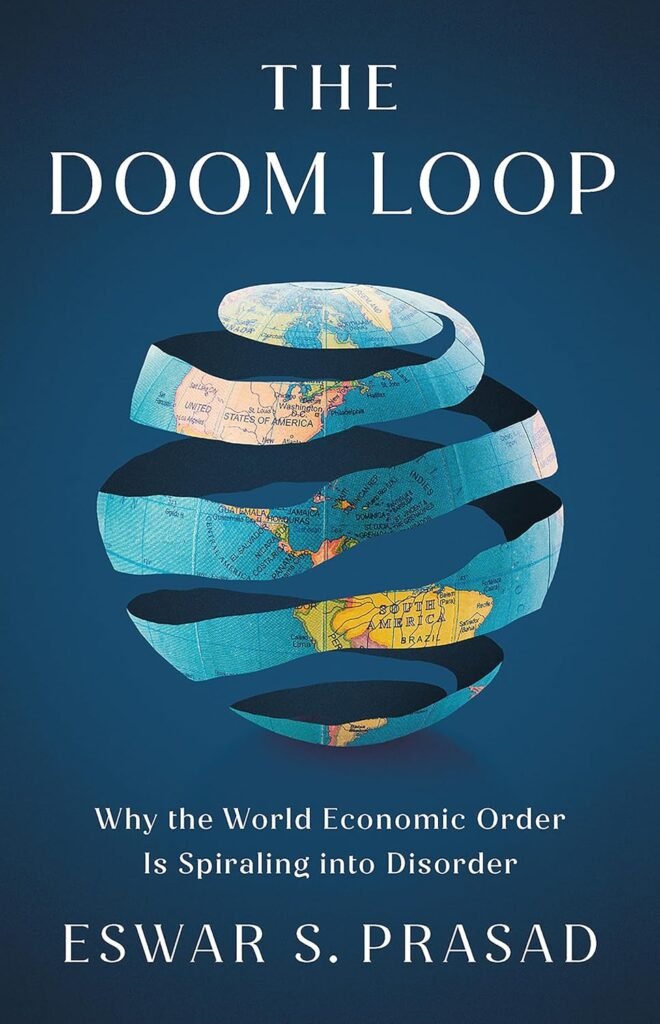
The Doom Loop: Why the World Economic Order Is Spiralling Into Disorder
By: Eswar S. Prasad
Published: February 2026
Prasad, a former IMF economist, diagnoses the global economy’s crises: chronic debt, trade wars, and inequality undercutting 21st-century globalisation. He argues that policies meant to spur growth instead fed instability. The book explains how flawed financial rules and protectionism have fed a “doom loop” where each crisis breeds the next. Prasad challenges global leaders (in the U.S., Europe, Asia, and multilateral institutions) to rethink trade, debt relief, and regulation to restore a stable international economic order.

WhatsApp in Multilateral Diplomacy: Communication Dynamics and Security Issues
By: Wisnique Panier, Christopher Pierre, Celine Fabre
Published: September 2025
This innovative volume studies how messaging apps like WhatsApp are transforming international diplomacy. Analysing real exchanges among diplomats (for example, UN committee and CARICOM group chats), the authors show that WhatsApp enables rapid coordination and greater inclusivity but also introduces confidentiality and power-balance challenges. They combine theoretical discussion with empirical data to outline both the benefits (speed, accessibility) and risks of digital diplomacy. The book offers timely recommendations for using secure messaging platforms in multilateral negotiations, making it a unique resource on modern diplomatic communication.
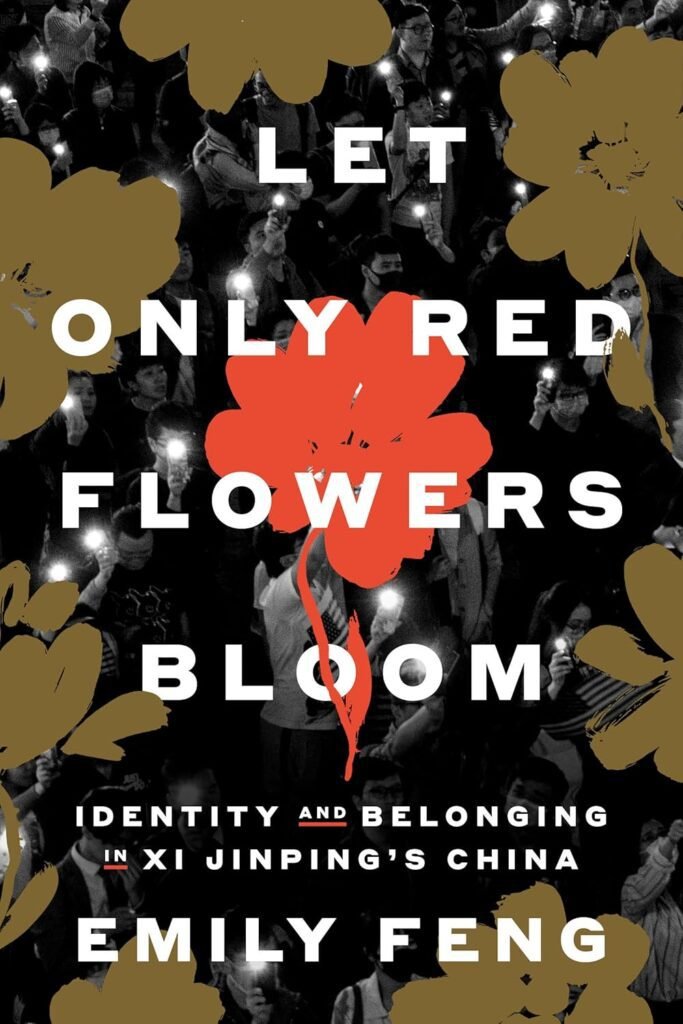
Let Only Red Flowers Bloom: Identity and Belonging in Xi Jinping’s China
By: Emily Feng
Published: March 2025.
Through intimate portraits of Uyghur Muslims, Hui communities, Cantonese lawyers, and Mongolian activists, Feng explores the tightening ideological climate under Xi Jinping. She challenges simplified Western portrayals of China, arguing that the country’s diversity is increasingly constrained by state-driven demands for conformity. By documenting shrinking space for minority cultures and dissenting voices, Feng shows how linguistic, artistic, and religious expression have come under intensified pressure in contemporary China.
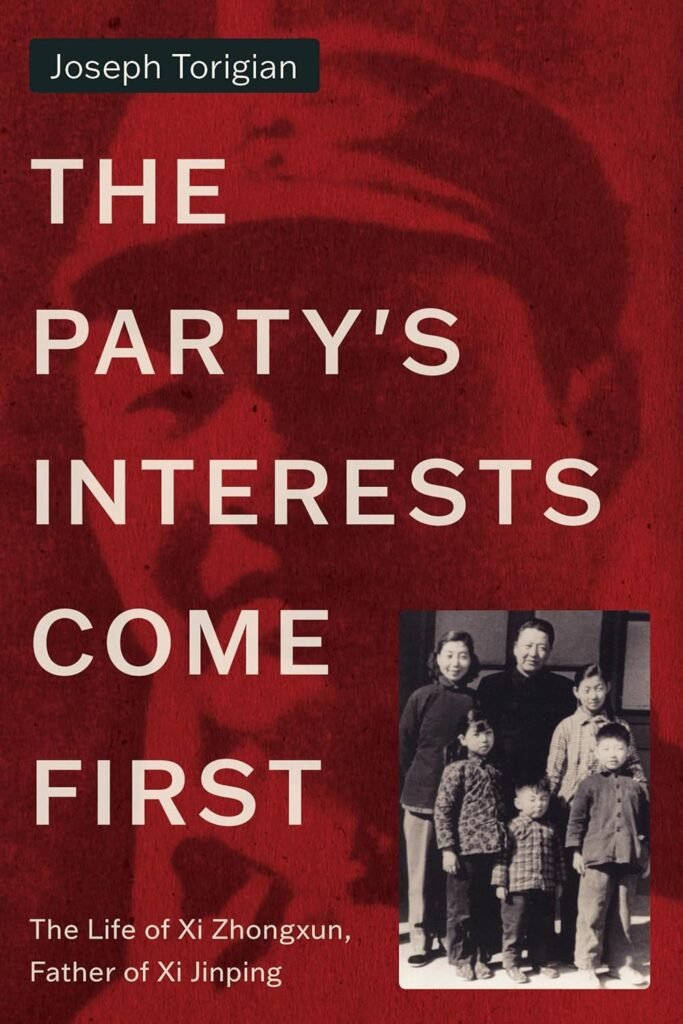
The Party’s Interests Come First: The Life of Xi Zhongxun, Father of Xi Jinping
By: Joseph Torigian
Published: June 2025
Torigian’s biography of Xi Zhongxun traces the turbulent life of Xi Jinping’s father, a veteran revolutionary and senior Communist leader. Covering his career from the late 1920s through the reform era, the book details his navigation of factional struggles, purges, and political rehabilitation. It underscores Xi Zhongxun’s unwavering prioritisation of Party objectives over personal considerations, revealing both the ideological commitment and profound personal sacrifices demanded by revolutionary loyalty.