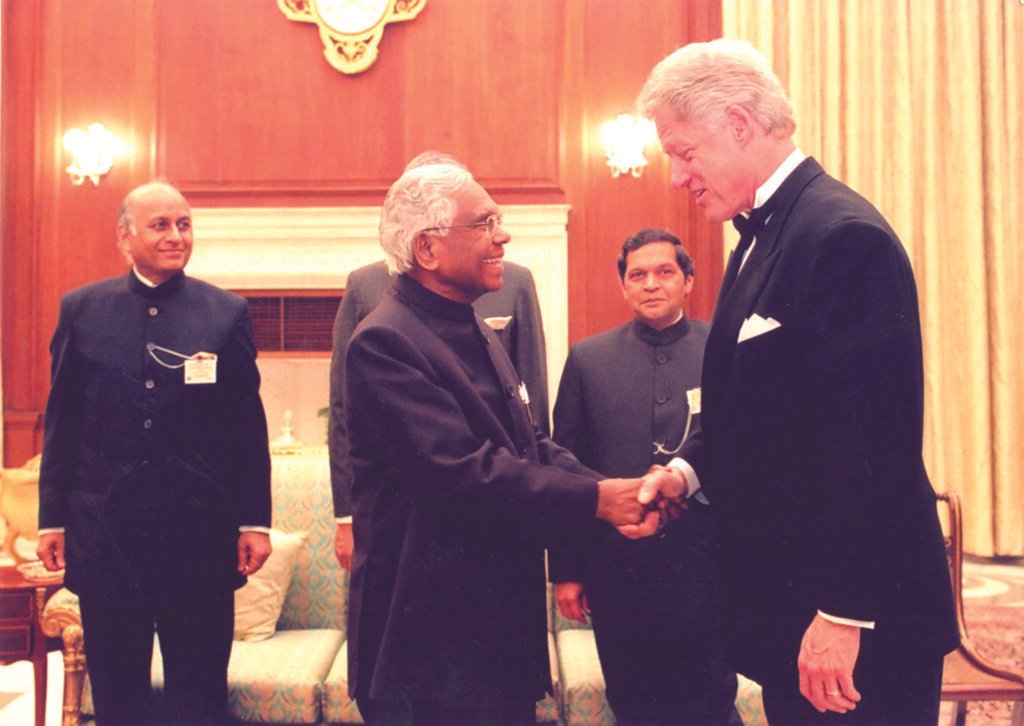
Indian diplomacy likes to see itself as rarefied, meritocratic, and insulated from society’s rough edges, including the caste system. However, from the very birth of the Indian Foreign Service to parliamentary scrutiny three decades later, caste has quietly shaped who represents India abroad, and who does not. What does this hidden history tell us about merit, exclusion, and the making of India’s diplomatic elite?
Over three days, from 31 January to 2 February 1948, a Service Selection Board specially constituted to recruit the initial batch of the Indian Foreign Service (IFS) interviewed 28 candidates. The top two candidates in the list of eleven selections were K. R. Narayanan and D.M. Jejurikar. In the minutes, as Ladhu Ram Chaudhary revealed in the Hague Journal of Diplomacy, the committee headed by the Secretary General G.S. Bajpai would often scribble notes highlighting the qualities of each selected candidate. For instance, the “Thakore Sahib of Kotda Sangani” was “a young man of alert mind, good manners, considerable personal charm and excellent in argument (though not academically well qualified).” Gurbachan Singh, who had earlier served under Bajpai in Washington, showed intelligence “above the ordinary and generally well suited for appointment to the IFS.”