

A selection of recent books shaping debates on economics, politics, and social life at large.
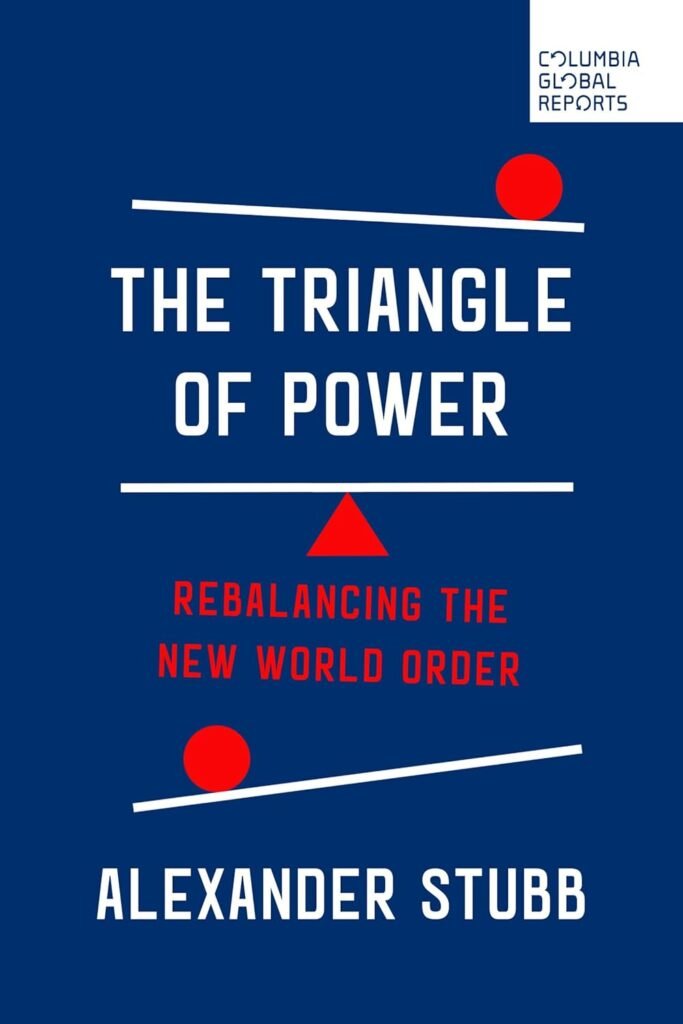
The Triangle of Power: Rebalancing the New World Order
By: Alexander Stubb
Published: January 2026
Stubb argues that a new global order is emerging, shaped by three major blocs: the Global West, Global East, and Global South. He highlights that the Global South will play a decisive role in determining whether the future international system moves toward cooperation or fragmentation. Drawing on Finland’s Cold War era concept of pragmatic realism, he urges Western nations to engage with both Eastern and Southern powers to rebuild a rules-based global system centred on the United Nations. The book also identifies India as a key swing state and has influenced Canadian Prime Minister Mark Carney’s foreign policy thinking.
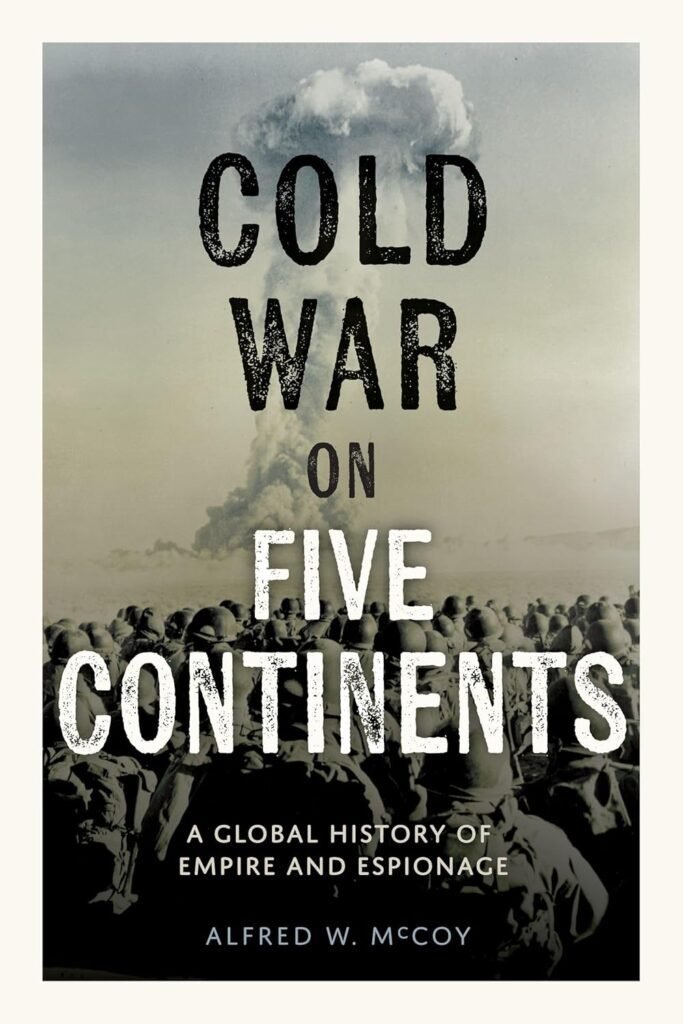
Cold War on Five Continents: A Global History of Empire and Espionage
By: Alfred W. McCoy
Published: January 2026
McCoy reinterprets the Cold War through a grassroots and outside-in perspective, focusing on the experiences of spies, operatives, and activists. By highlighting individuals such as Edward Lansdale, Kermit Roosevelt Jr., and Norman Reddaway, the book adds a human dimension to a conflict often described in abstract geopolitical terms. This extensive study reassesses the Cold War’s global scope and remains relevant as renewed great power rivalry emerges across regions like the Middle East, South Asia, and the Indo-Pacific.
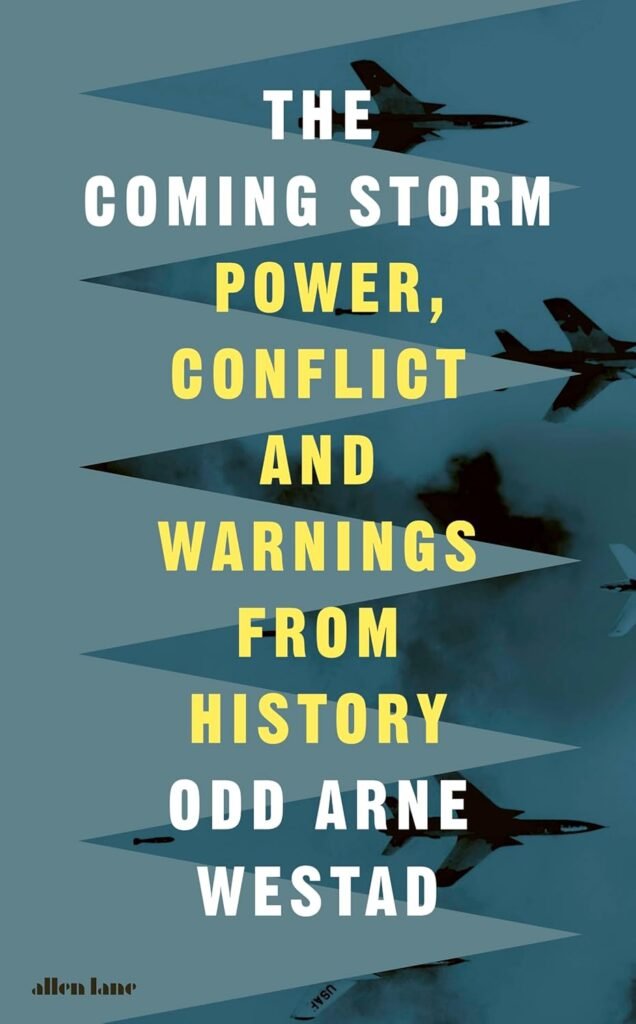
The Coming Storm: Power, Conflict, and Warnings from History
By: Odd Arne Westad
Published: March 2026
Westad argues that increasing competition among major powers across areas such as nuclear weapons, artificial intelligence, space, and trade has made the global system more unstable. He warns that the risk of large-scale conflict is rising and draws comparisons with the late nineteenth and early twentieth centuries, when nationalism, protectionism, and geopolitical tensions led to global war. The book’s central message is that a similar combination of leadership dynamics, shifting power balances, and emerging technologies is developing again.

A Historian in Gaza
By: Jean-Pierre Filiu
Published: March 2026
Filiu presents a personal account of Gaza based on a clandestine visit in December 2024, during which he spent over a month inside the territory. Combining historical analysis with field reporting, the book portrays both the destruction caused by war and the resilience of daily life. Through interactions with residents, Filiu documents the breakdown of civil society while emphasising human endurance and dignity. Proceeds from the book are donated to Médecins Sans Frontières.
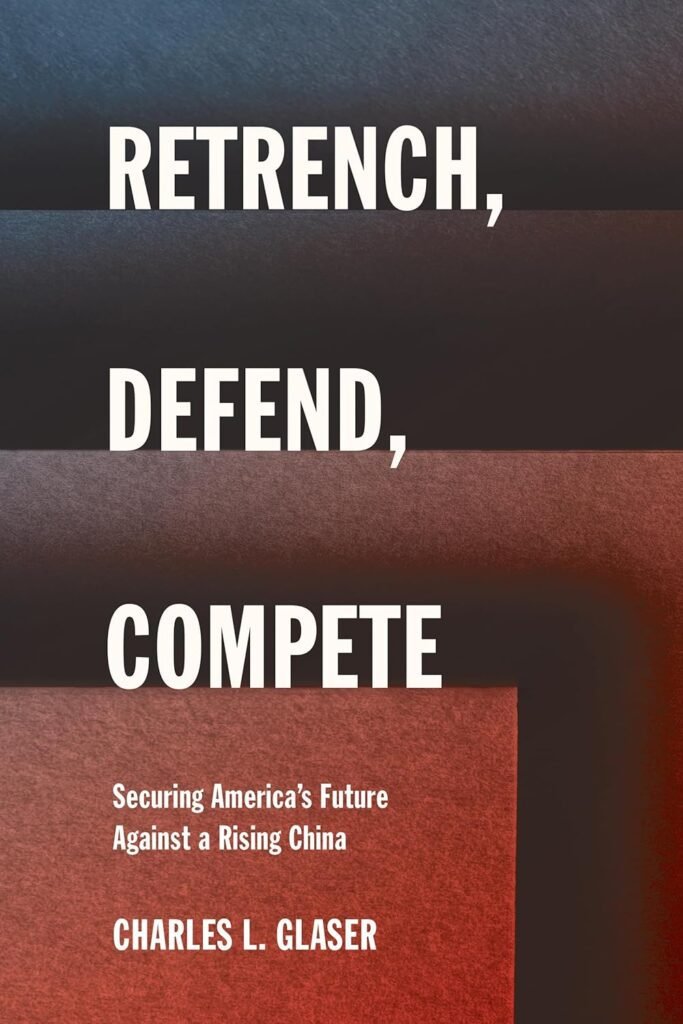
Retrench, Defend, Compete: Securing America’s Future Against a Rising China
By: Charles L. Glaser
Published: December 2025
Charles Glaser advances a deliberately contrarian approach to U.S. strategy toward China, rejecting the notion that great-power conflict is unavoidable. He locates the gravest risks not in abstract rivalry but in specific regional flashpoints, most notably Taiwan. To reduce the chances of war, Glaser advocates a policy of retrenchment: phasing out America’s security guarantee to Taiwan, drawing down the most contentious military positions in the South China Sea, and at the same time shoring up partnerships with Japan and South Korea. Combining international-relations theory with concrete policy guidance, the book outlines how restraint and carefully limited commitments could stabilize the U.S.–China relationship.