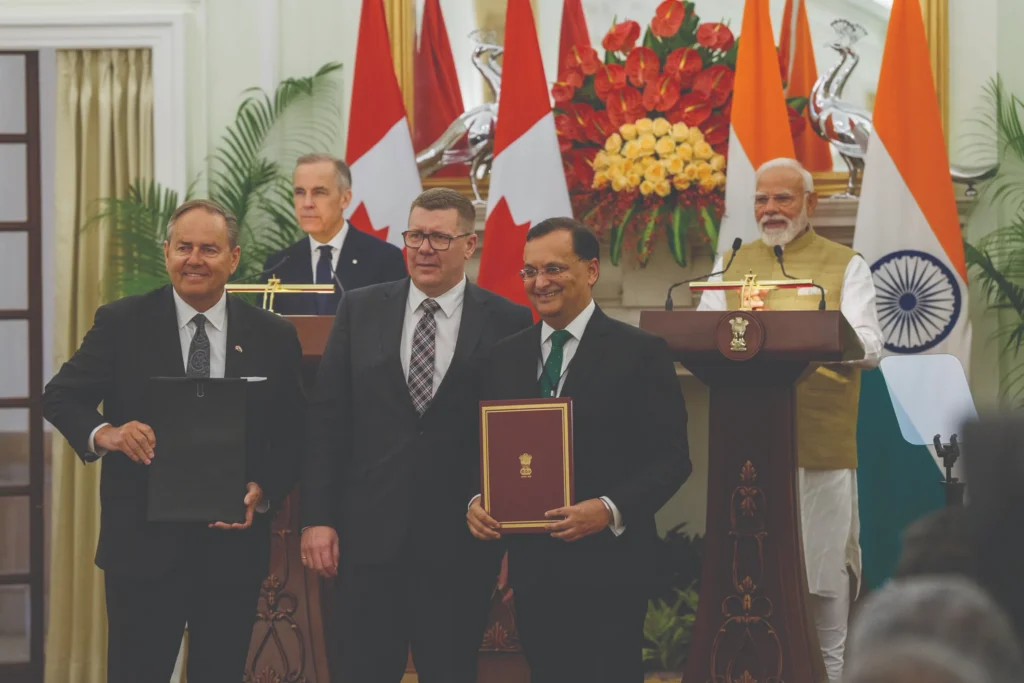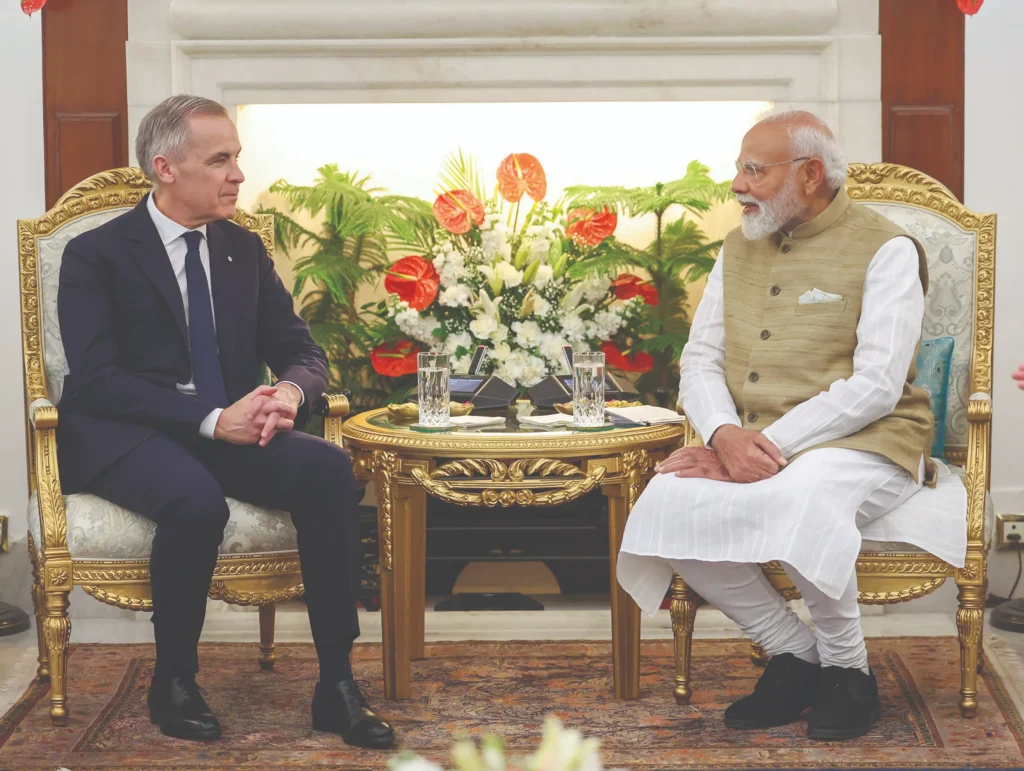
The remarkable turnaround in India–Canada relations over the last eighteen months surely ranks among the quickest diplomatic resets in India’s diplomatic history. A relationship that seemed irreparably damaged just a few years ago has been rebooted with impressive speed. To be sure, several disagreements between Delhi and Ottawa remain. But India and Canada have rediscovered the value of engagement.
The Canadian experience offers a larger lesson for Indian foreign policy: despite deep and seemingly irreconcilable estrangement between nations, the possibilities of diplomatic redemption should never be underestimated.
Barely two years ago, India and Canada were expelling diplomats, trading accusations about violating each other’s sovereignty, and suspending much of their bilateral engagement. Today, they are negotiating a trade agreement, expanding cooperation on energy and technology, exploring defence collaboration, and rebuilding security consultations. The change in political leadership in Ottawa and the pressures generated by Donald Trump’s policies on both India and Canada have certainly helped. But the reset also reflects a recognition that neither country benefits from allowing a single dispute to overwhelm a relationship with considerable economic and strategic potential.
The speed of the recovery reminds us of the enduring importance of diplomacy. In India’s increasingly charged social media discourse, engagement with countries that are critical of Delhi is often portrayed as weakness. Calls for retaliation, isolation and permanent hostility tend to drown out the case for dialogue. Yet diplomacy is not about rewarding friends or appeasing adversaries. It is about finding common ground and advancing national interests, especially when relations are difficult.
India’s diplomatic history offers many examples of seemingly intractable differences yielding to political engagement. The long estrangement with the United States, aggravated by Washington’s sanctions after India’s nuclear tests in 1998, eventually gave way to a strategic partnership. Australia and Japan, too, moved from sharp criticism of India’s nuclear programme to an increasingly consequential security partnership.
These experiences are relevant to India’s troubled relations with its neighbours. The problems with Pakistan, China, and Bangladesh are very different, and there are no easy solutions. Nor can diplomacy replace military preparedness, credible deterrence or the defence of national sovereignty. But Delhi must resist the temptation to treat today’s difficulties as permanent features of the regional landscape.
The lesson from Canada is not that every rupture can be quickly repaired. Nor is it that dialogue will inevitably produce reconciliation. What is clear, though, is that diplomacy must remain an option even when relations appear hopeless. The purpose of statecraft must be to turn adversaries into neutrals, neutrals into friends, and friends into allies.