India’s AI ambitions are growing fast, as is its need for reliable power and critical minerals. Could Canada hold part of the answer?
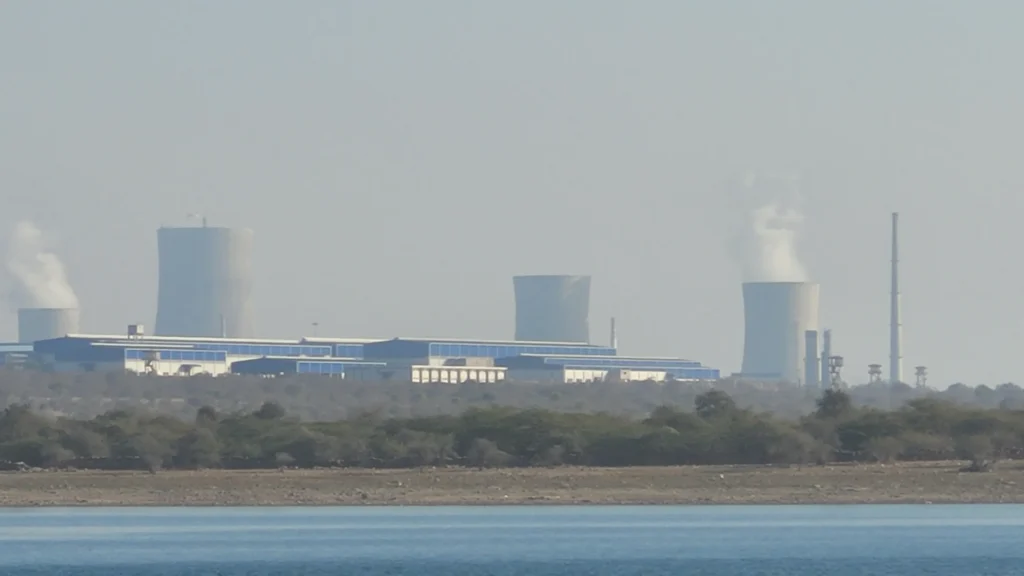
We talk about artificial intelligence as though it floats. We say, “the cloud,” as if the whole enterprise were weightless. It isn’t. Every model trained and every query answered rests on something very physical: metals pulled from the ground, refined with exacting precision, and processes run on electricity that never blinks.
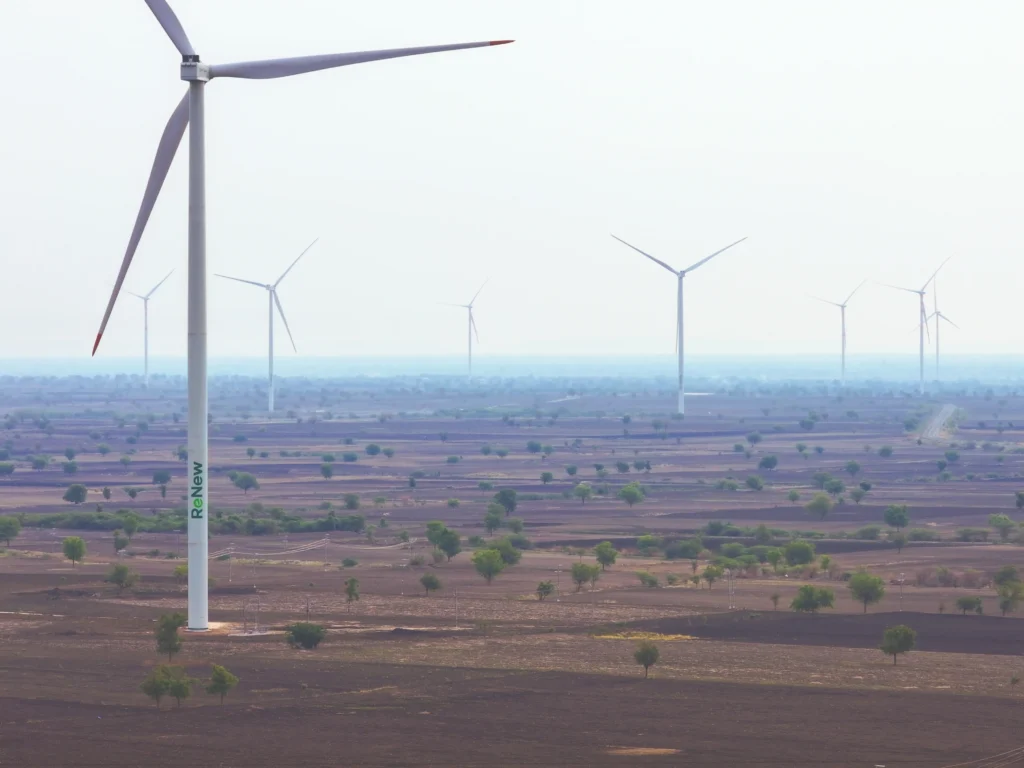
I have been engaged with India for nearly three decades. Anyone who has lived here through a summer afternoon when the power goes out knows what a reliable electron is worth. The AI boom is a bet that billions of those electrons will arrive on time, every hour of every day.
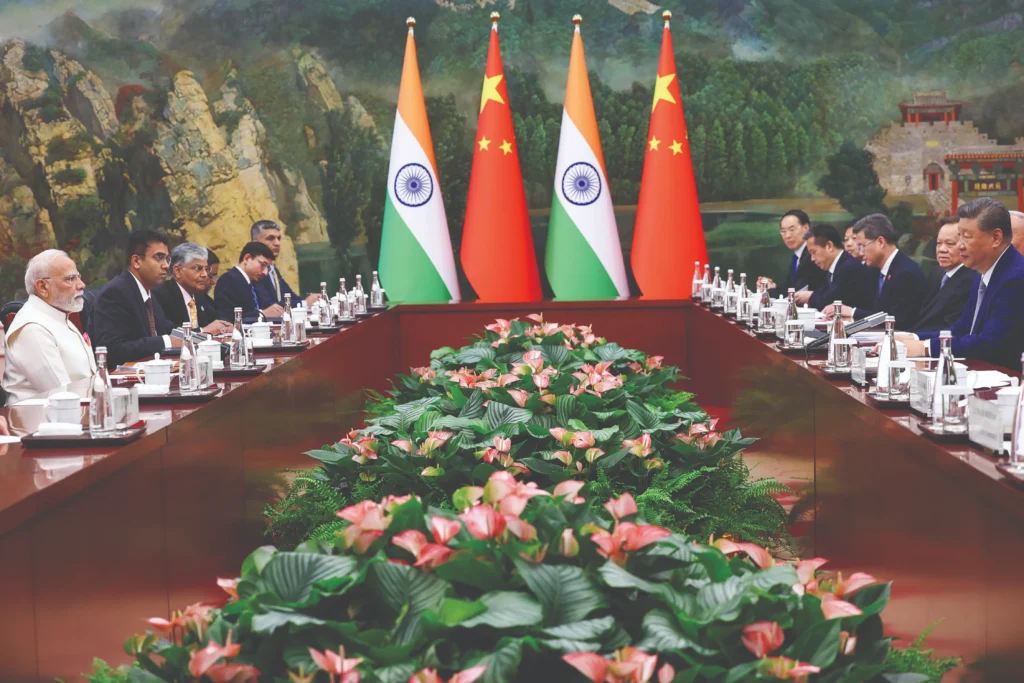
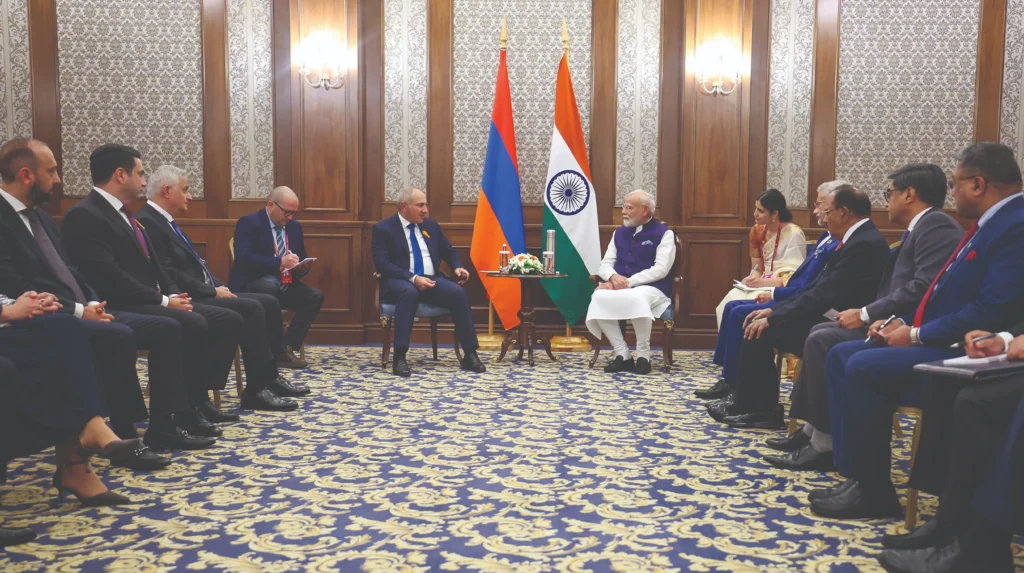
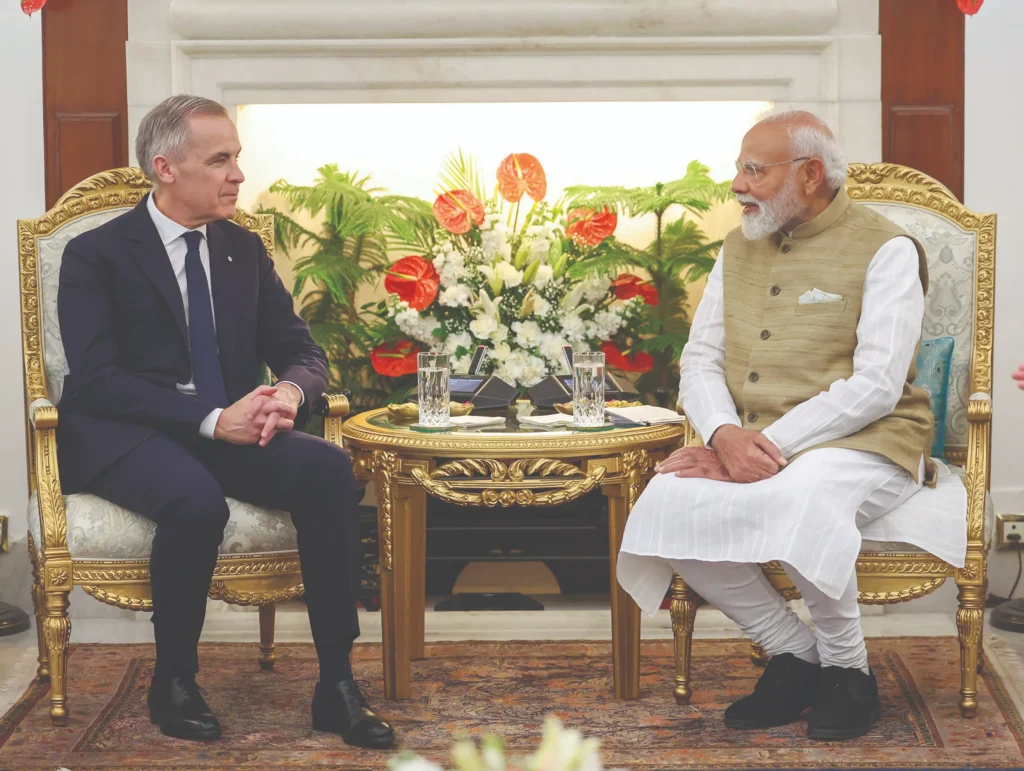
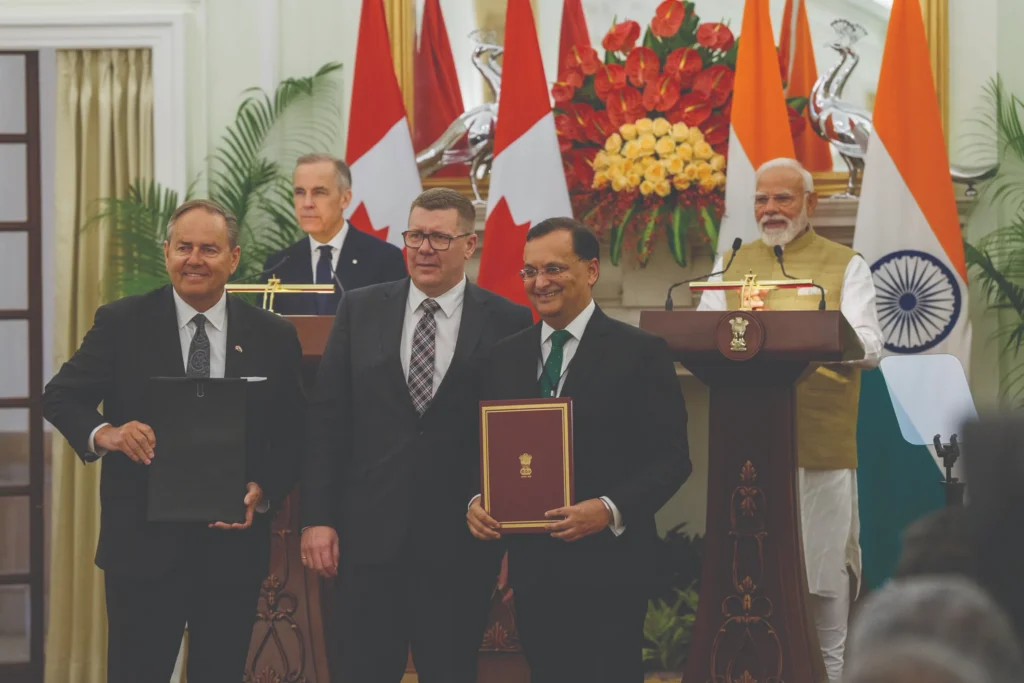
That is also why this is a story about India and Canada. After a reset in relations, the two countries have moved quickly to turn AI into a shared project. In March, Prime Ministers Carney and Modi welcomed an MOU under the Australia–Canada–India Technology and Innovation Partnership to formalise cooperation on developing and deploying AI and signed two further MOUs on critical minerals and energy. Canada brings AI research strength, minerals and energy; India brings scale, talent and a remarkable speed of adoption. The materials and power beneath the boom are where that partnership can become concrete.