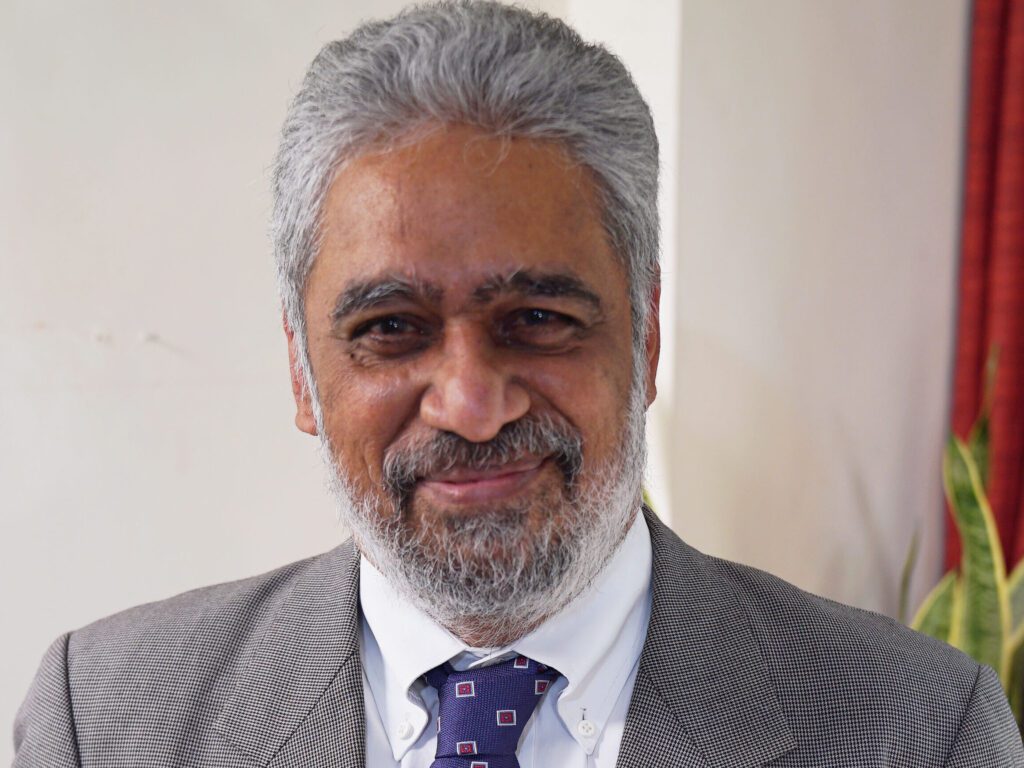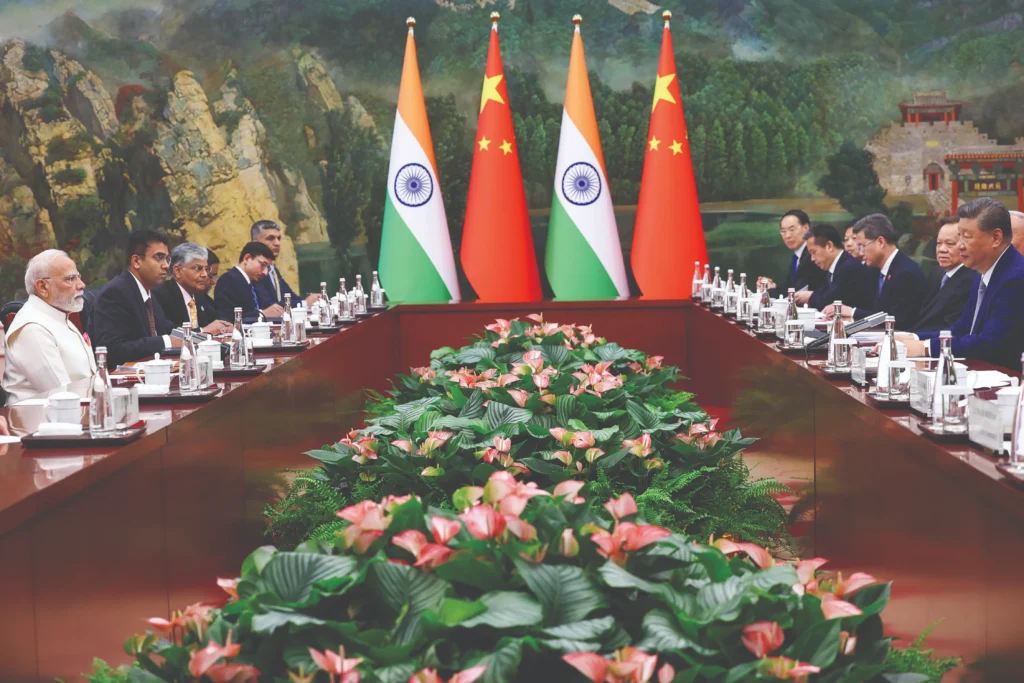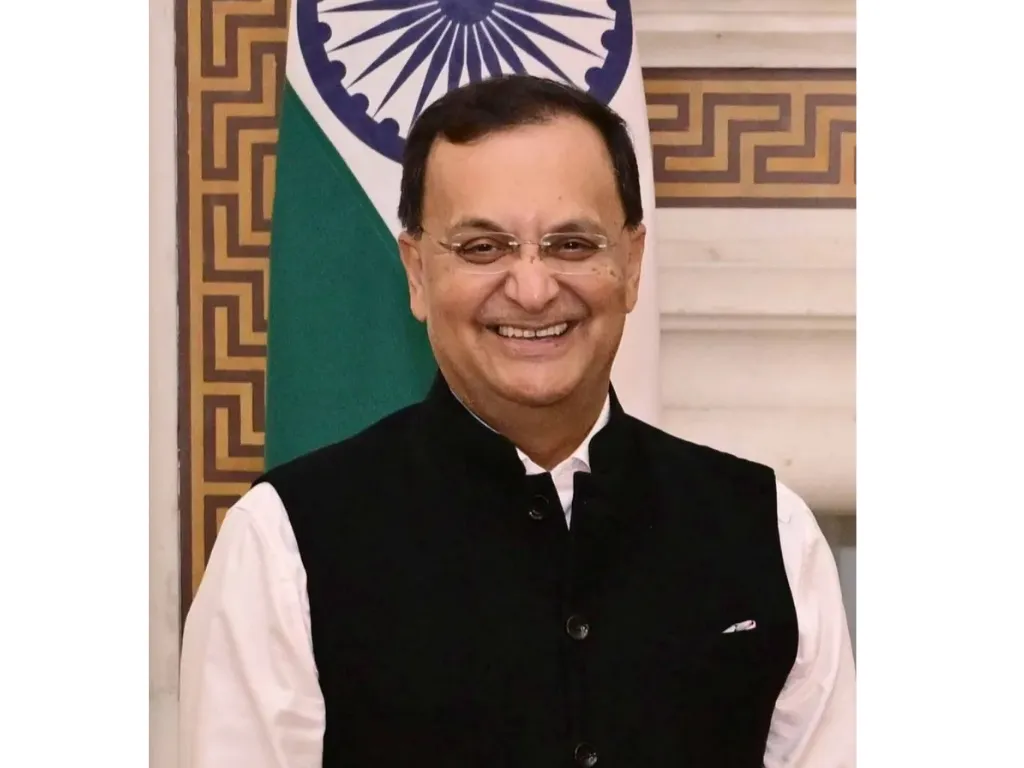
Dinesh K. Patnaik, India’s High Commissioner to Canada, on walking into a frozen relationship, why the reset is more than a change of prime ministers, and what has shifted in Ottawa’s thinking on Khalistan.
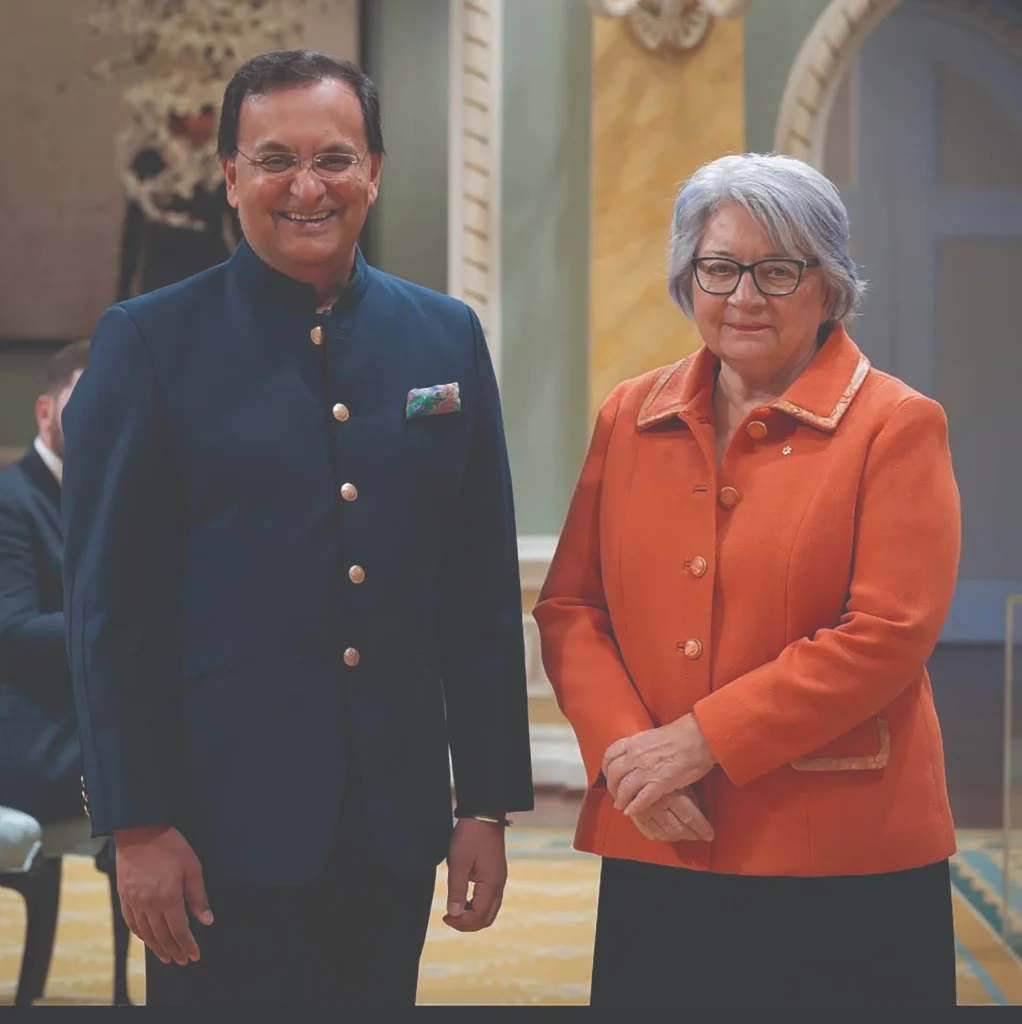
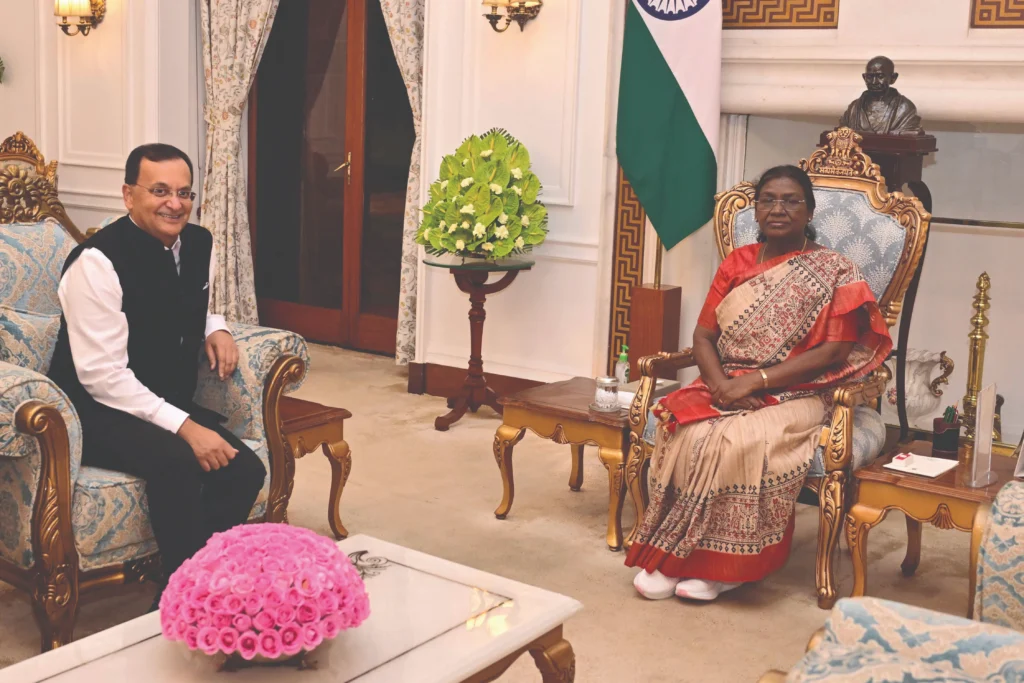
Dinesh K. Patnaik presented his credentials at Rideau Hall on 24 September 2025, the first Indian High Commissioner in Ottawa since New Delhi withdrew Sanjay Kumar Verma in October 2024, at the lowest point of the crisis over the killing of Hardeep Singh Nijjar. A 1990-batch officer who came to Canada from the embassy in Madrid, he has spent the past year reopening doors that had been shut to the mission: in the federal government, the provinces, the media and the diaspora. He spoke to Happymon Jacob from Ottawa on 27 October 2026.
You took over an office from which your predecessor had been withdrawn, at the worst moment in the history of this relationship. What was on your mind when you arrived?
Frankly, nothing could have prepared me for it. I had never handled North America, having neither been posted there nor dealt with it from Delhi, so I had to read up a great deal. It was very important to me to land running.
The most important issue was security. One of the decisions taken when the high commissioners were restored was that the two national security advisers should meet quickly. So even before I landed, I called Chris Cooter, because I knew he was coming to Delhi. He could tell me what was happening here, and I could tell him what was happening here, informally, and I think that helped put things together. As soon as I arrived, I went to meet the Canadian NSA.
I had made up my mind that we would not be defensive about security. I would take the bull by the horns and address every question. My first television interview, within a month of arriving, hit the headlines everywhere. I think it was because I spoke frankly about what the situation was.
Between Sanjay Verma’s withdrawal and your arrival, was the relationship on pause or in a freeze?
A freeze. Nothing had happened for two years, literally. A pause would mean we are at least discussing when to meet next. This was zero. Our mission was understaffed because people had been removed, and the institutional mechanisms had all stopped: the foreign office consultations, the working groups on education, culture, nuclear issues, consular matters, everything two countries build up over decades.
And it went beyond government. The Deputy High Commissioner was in charge, and he could not get meetings. Even Diwali functions, where the Indian High Commissioner would normally be the chief guest, did not want us. There was a feeling that we were outcasts, and that having us there would mean questions being asked.
What was the trigger for the decision on both sides to send high commissioners back?
The change in leadership here. Look at the core strategic issues of Canada and India: economic, political, strategic. We do not have a disagreement on any of them. Maybe slightly on Russia and Ukraine, in the sense that they expected us to toe a line, but we have never taken a line against Canada, and Canada has never taken one against us. Our economies are complementary: whatever they have, we need, and whatever we have, they need. There is no competition in resources, in anything.
And yet a fringe diaspora issue became the trigger for breaking the relationship. It still appals me that a relationship of this depth could be broken over something so marginal. Once it was broken, everything stopped.
So you arrived with an optics problem as much as a policy problem. How did you change that?
Two ways. One was to meet people. I would just go. I did not care whether I was invited or not; I would land up. I came in at Diwali time, and here the Diwali functions run from the beginning of October to the end of November, which was very good timing. I would hear of a function and turn up, and they had no way of saying, “No, you cannot come in”. Once I was in the room, people realised that this man is open and frank and has no issue. I told them: my one target is to bring relations back to normal, and you are the ones who will do it.
The second was the media. I spoke a great deal to the media because, willingly or unwillingly, they have to listen to what I say. I went to the mainstream outlets, CTV, CBC and the rest, rather than the community media. That was not easy. The media here sits very much on the liberal left, and human rights and freedom of expression come up very strongly; they pride themselves on it. Because I challenged them, they took me on. So it was combative rather than collaborative. But they gave me a platform because they wanted to grill me, and I got my message out. Doors opened very easily after that. People went from being hesitant to say yes to me to being hesitant to say no to me.
I will also tell you frankly something you will find in most missions. Diplomats, except the good ones, tend to sit in the office and call people in. And the people who come are the hangers-on who have been around the mission for the last hundred years, the same lot. If you live in an echo chamber, you will never pick up what is happening on the ground.
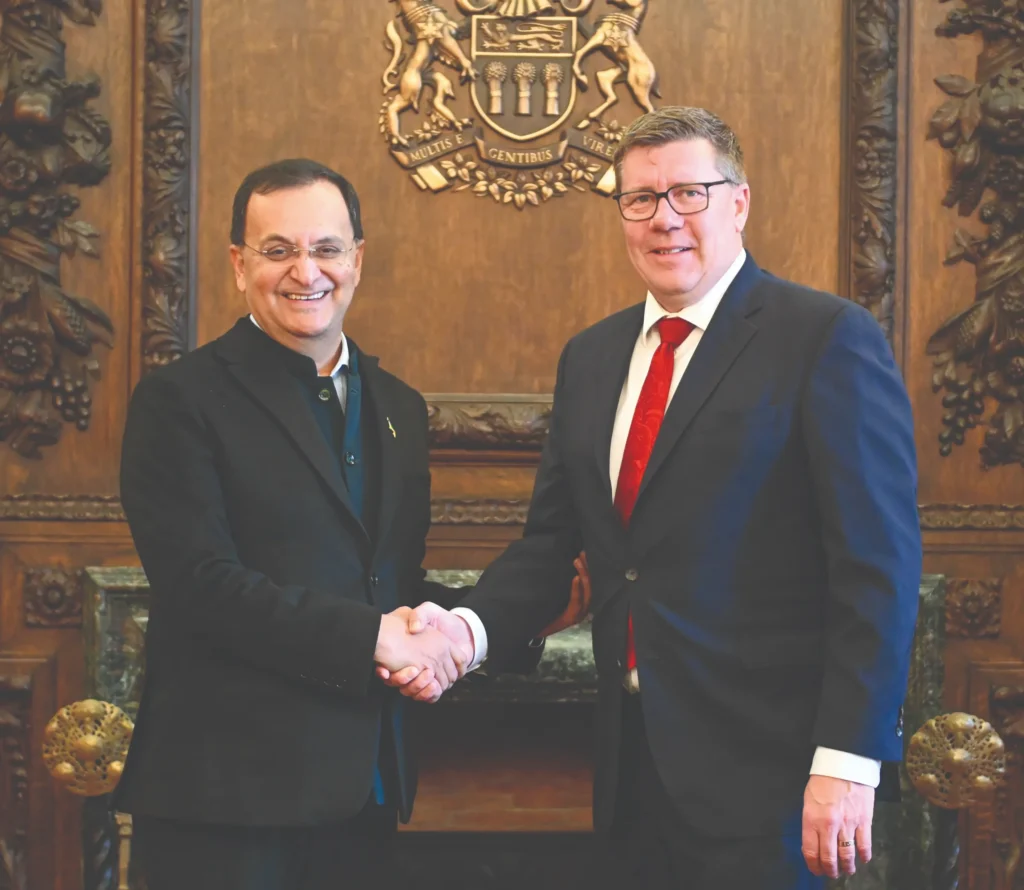
The other thing I realised was that in the worst period it was the federal government that had a problem with us. The provinces did not. So I reached out very strongly to the provincial governments. Scott Moe in Saskatchewan was a great help in my first month or two. I went to the premiers in British Columbia, Ontario, Quebec, Manitoba, Alberta and Yukon, because I wanted it in the news that I was meeting them. The more people see you meeting important political figures, the more the others think: they have met him, so why shouldn’t I?
The business community and the pension funds were positive, but until they see a change in the political climate, they hedge. For me, the target had to be the political system, and through it, the Prime Minister’s Office, the people who take decisions.
Is the reset built on a change of personalities, or on something more durable?
Three things. First, it was not just the former PM. The people we were battling had built up real political clout over the past decade. They had money, they had lawyers and influencers on the Hill, and they understood exactly how party politics here works. Trudeau took the call, and it was the wrong call, but he was egged on by a few others.
Second, the substance of the relationship is very strong, and everybody recognises it. Universities, the medical system, research institutions, business, politics. I have not seen another country, not even the United States, where the diaspora has such a large influence on every sector. Here it is everywhere, at the municipal level, the provincial level, every level. The depth is there.
Third was the relationship with the USA, more for Canada than us. It made Canadians realise that they cannot rely on just one jurisdiction for everything. Diversification of their relationships became important, and if you look around the world, India will always be one of the countries that everybody wants to establish a relationship with.
So the relationship is durable. Canada can be a single-issue country at times. They are quick to criticise others and very sensitive to criticism themselves. In a way that has helped us, because they suddenly find themselves accused of the things they accused the rest of the world of. Just the other day I was with some MPs and ministers, and I could not resist asking: how does it feel to be on the same footing as us? You accused us of foreign interference, and now the Americans are accusing you of foreign interference. They laughed. But they realise they were barking up the wrong tree when they put India in the same bracket as other countries that engage in such activity.
Two issues broke the relationship: the Nijjar allegation and Khalistan. The first appears to have been put in cold storage. The second has not gone away. Does the durability of the reset then depend on external factors, since the internal ones remain unresolved?
The allegations have not disappeared. And Khalistan has been an issue since the 1980s, even earlier. 1984 made it worse; a lot of people left India then, and they still carry the flag. It has been here a long time, and it will stay a long time. Punjab has moved on. Canada has moved on. But the Khalistani separatists have not.
They have not moved on for two reasons: money and power. Once you start making money out of something, it is very difficult to give it up, and for many of these separatist leaders, ideology matters less than money. The money came in droves, through misuse of the immigration system, through smuggling, extortion, drugs and crime. The power came through control of the gurdwaras, which they need as a base. That will not go away soon. New foot soldiers keep coming.
What Trudeau did was give them a platform they had never in their wildest imagination wanted. He brought them to centre stage across the world by destroying the relationship with the country they came from. They became larger than life. Now they are being banished to the fringes again. But they will still be there.
Was there a difference between how the politicians saw this and how the security establishment saw it?
Yes. The perception on the Indian side was that the Canadian government and its agencies were using Khalistan. I realised that the agencies here did not encourage it. These people are victims of their own laws. They are caught in the trap of their own making.
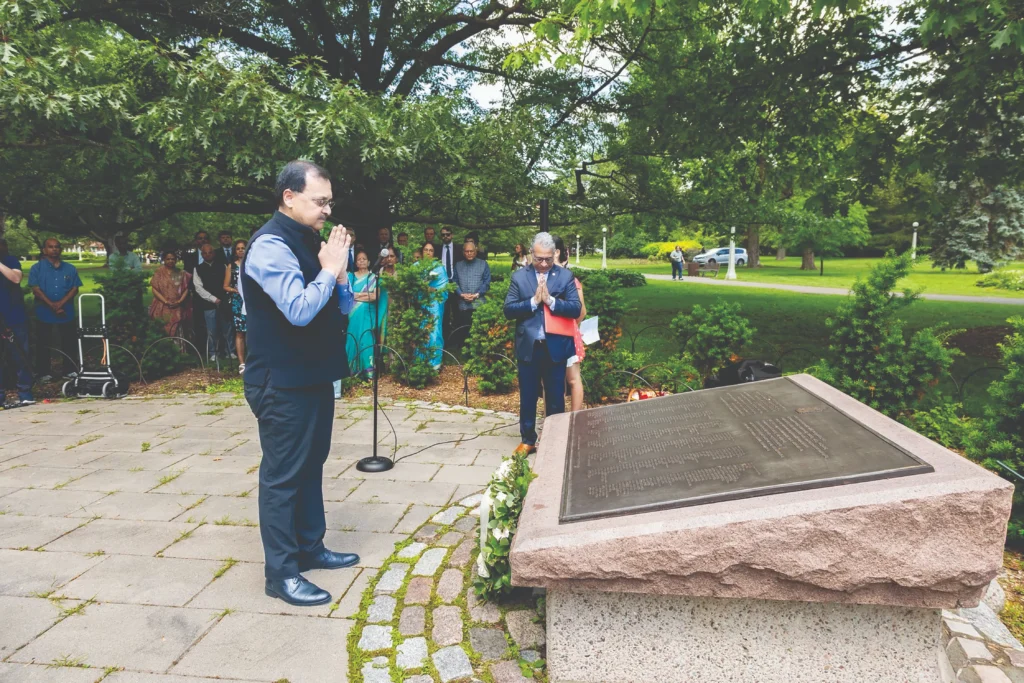
And for a long time they thought this was an Indian issue in Canada. They thought that they would put some guardrails around these people and India could deal with it. I will give you an example. When the Air India bombing took place, Brian Mulroney was prime minister. He picked up the phone and called Rajiv Gandhi to say, “Indians have died; my condolences.” And we had to remind him that most of those who died were Canadians. That is the mindset. Even today, there is a feeling that the Indians are causing problems here. But to be honest, the present setup has realised this, and action is being taken like never before.
Has that changed after a year of conversations?
It is changing, and that is the big change. The moment they realised that these groups had gone deep into organised crime, things began to shift. Parts of the trucking industry had become a conveyor belt for smuggling, drugs and people, and the links running south to the cartels started coming out. In the past, when we told them their immigration system was so loose that our criminals were using it to come across, they would say: they may have committed crimes in India, but our laws do not allow us to act. Which is true.
There was also a sympathy factor. The perception here was of an authoritarian India where, if you speak against the government, they slap terrorism charges on you. So whenever we said that Arsh Dalla or Goldy Brar was a terrorist, they would take it with a pinch of salt: these boys came as students; what can students do? Then they realised that Goldy Brar runs the Bishnoi gang’s operations in Canada and that Arsh Dalla is wanted in India in dozens of cases, including murder. Suddenly, these guys are serious. And now they are really taking action.
So the mentality within the establishment, at least, has changed. That these people are not victims, and they are bringing crime into Canada. From my very first interview, I have kept saying: there is no problem in India. Punjab has no problem. It is your problem; do not put it on me. That realisation has come.
Have the two sides shock-proofed the relationship, or are they still working on it?
The diaspora is one of the biggest advantages we have in the Canada–India relationship, but it can also become a disadvantage. Some of our problems have originated within the diaspora itself. The community has built a very positive image over the years, but that image risks being damaged by the recent influx of less educated, less capable, and criminal elements. This was encouraged by a very loose immigration system in Canada. We need to tighten that system so that talented, capable and community-building people continue to come here, as they have in the past. Both countries must also work together to remove unwanted elements, including terrorists, criminals, and gangs, from the equation.
We are trying to shock-proof it, and you can quote me on that. Essentially, by having much greater dialogue between the agencies. Today, CSIS, the RCMP, the NIA and the police are talking to each other.
The second part is firewalling: making the other arms of the relationship strong. If the other arms had been strong, with the business community making large amounts of money and politicians and parliamentarians meeting each other regularly, everybody would have had a vested interest in a better relationship. Khalistan should never have become such an important issue. It did because the other relationships were weak. In everybody’s mind, there is an equation: when does the cost of inaction become more than the cost of action? You can quote me on that too.
The third is the diaspora itself, and the second generation in particular. One of the things I want to finish before I leave this post is to see an India Institute set up here. There are plenty of people with programmes on India, but there is no institute that studies India. And it must not be government-led; the moment it is government-led, it is finished from day one. An institute that writes papers, that has credibility, that the media turns to, is the kind of thing that shock-proofs a relationship.
You have spoken about Canada’s changing relationship with the United States. Is the change in Canada’s view of the world fundamental enough to outlast President Trump? Around 70% of Canada’s economic relationship is still with the United States. Will Ottawa simply return to the status quo in 2029?
That is exactly the question I have been asking people here. The answer is twofold. One, the United States itself has changed. It is no longer seen as the benign superpower that would help people and keep the global commons going. Between Trump’s first term and Biden, the language changed slightly; the actions did not. Canadians have realised that the cosy relationship is over, and that even if a different administration comes, the Americans at the core have changed. The idea of diversification has taken root very strongly. There will be inertia, but they feel that President Trump has damaged some core institutions, the automobile cluster in southern Ontario, for instance, and there have been large job losses.
Look at the Alberta referendum: 76% voted to stay. Look at Quebec: the Parti Québécois, which has always wanted a referendum, comes to power, and the first thing it says is that there will be no referendum while President Donald Trump is in office. That is a sign. They have understood that the American system that used to stand behind them as a strong, helpful force has fundamentally changed, and that they have to change themselves. At least in the leadership, this feeling has gone right across. Even the business community, which is being hurt and sometimes grumbles that PM Carney does not need to lead the global coalition against Trump, understands it.
Two, remember that for the first forty-odd years after the Second World War, until the collapse of the Soviet Union, Canada was very active globally. Lester Pearson got the Nobel Peace Prize for peacekeeping. They were at the forefront of disarmament, human security, landmines—you name it. After the Soviet collapse, both Europe and Canada became very US-dependent. Canadian foreign policy became a question of how to manage the Americans at every stage for maximum benefit. Free riding was so easy that they did it without thinking.
Now they want to come back. You can see the initiatives, and they saw the global reaction to Carney’s Davos speech. Canada suddenly realised: we have a place in the world; we are not just an appendage of the United States. That has fundamentally changed the way they look at the world.
Where would you like this relationship to be in three years?
The relationship today is far better than what it was even before the troubled period. The level of trust has increased tremendously, especially among government agencies. Business and investment are up, and once we finalise the CEPA, we will see a tremendous upsurge in our bilateral trade and investment figures. And within the last year, we have started discussing and taking action on areas where we did not do much, like defence, aerospace and space, energy, etc., as well as on emerging areas of critical minerals and rare earths, on AI and quantum computing, on fintech and startups, etc. All this gives me confidence that the relationship will become stronger over the years, particularly given the enlightened leadership on both sides.
You have been in Canada for over a year now. What do you like most about Canada?
There is so much to like in Canada, from its wonderful vistas and natural beauty to its great cultural and gastronomic diversity brought about by the hordes of immigrants who have made it their home. Except for First Nations people, everyone is an immigrant in Canada, and it is the wonderful way all these different cultures have worked together to build this vibrant society that I admire a lot. This bonhomie is not without problems, but the average Canadian is a hard-working, open-minded, highly likeable individual, and interacting with them has been one of the pleasures of my stay here. To say the weather is cold or harsh is an understatement, but the warmth of the people, the many friends I have made in only a year and the outstanding beauty of its landscapes have made it a wonderful place to work and stay in. And for a cold country like this, the Canadians are completely outdoor people, which I love a lot. I have walked and trekked and cycled and even snowshoed more than anywhere else.