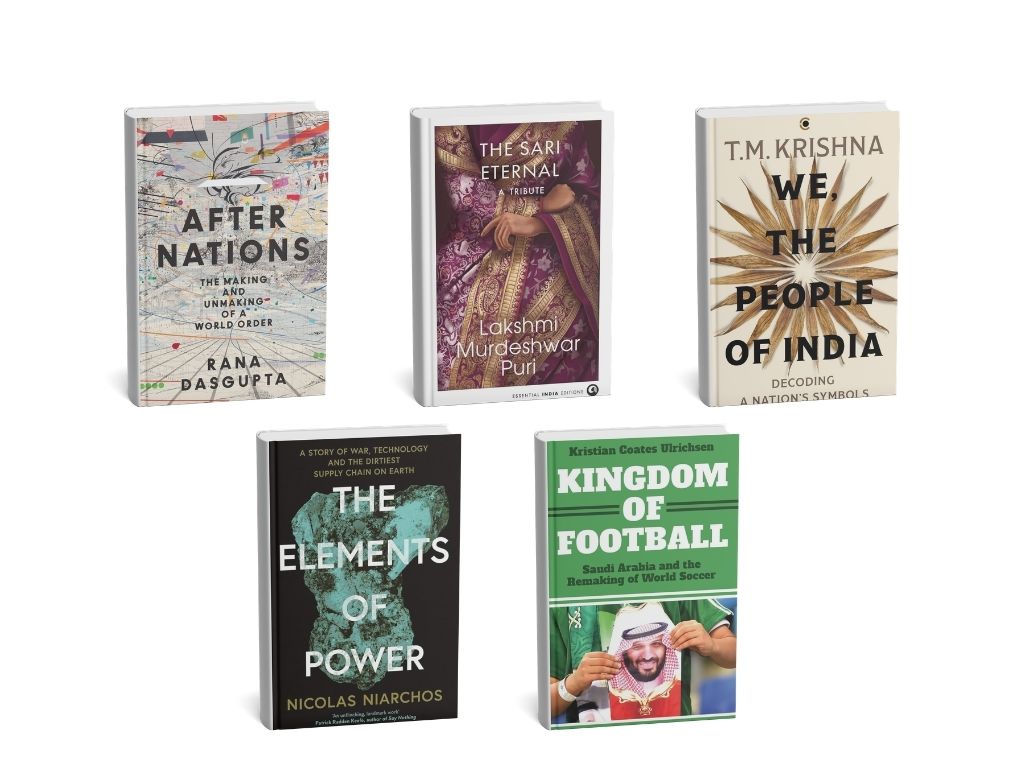
A selection of recent books shaping debates on economics, politics, and social life at large.
After Nations: The Making and Unmaking of a World Order
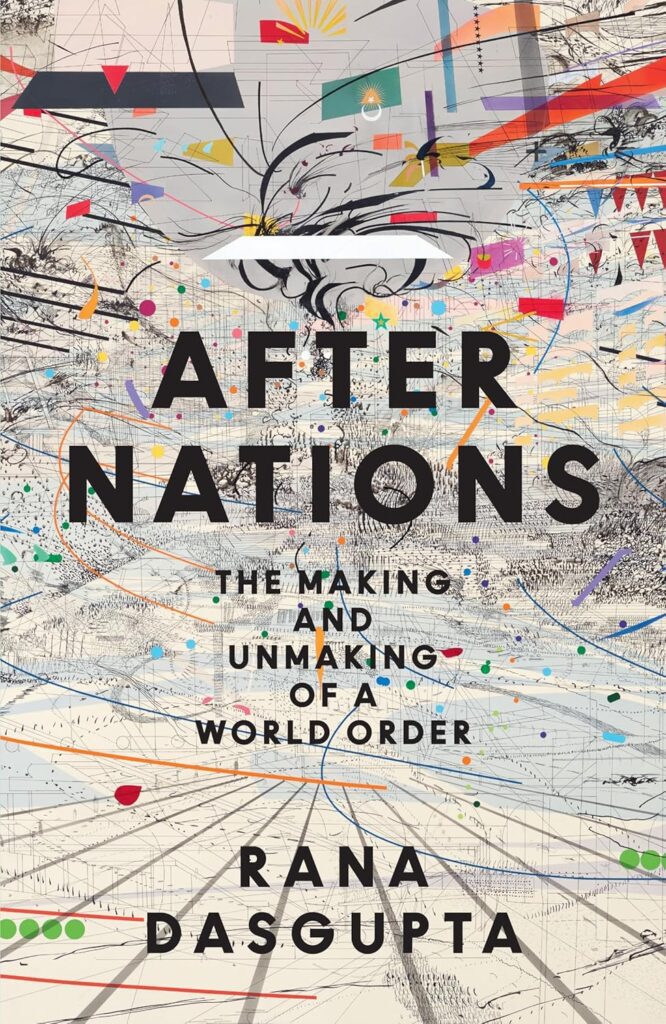
By: Rana Dasgupta
Published: Feb, 2026
The author of Capital: A Portrait of Twenty-First Century Delhi turns outward in this ambitious study, examining how the nation-state—long the primary unit of governance, citizenship, and collective belonging—is being reshaped by the growing influence of corporate power, global capital flows, new forms of citizenship, legal pluralism, and economic transformation. Dasgupta argues that these developments represent not a descent into disorder but a structural reorganisation of authority and belonging in the twenty-first century. The book offers a layered analysis of broad shifts in law, economics, and mobility, while remaining grounded in the lived experiences through which these historical changes unfold across continents.
We, the People of India: Decoding A Nation’s Symbols
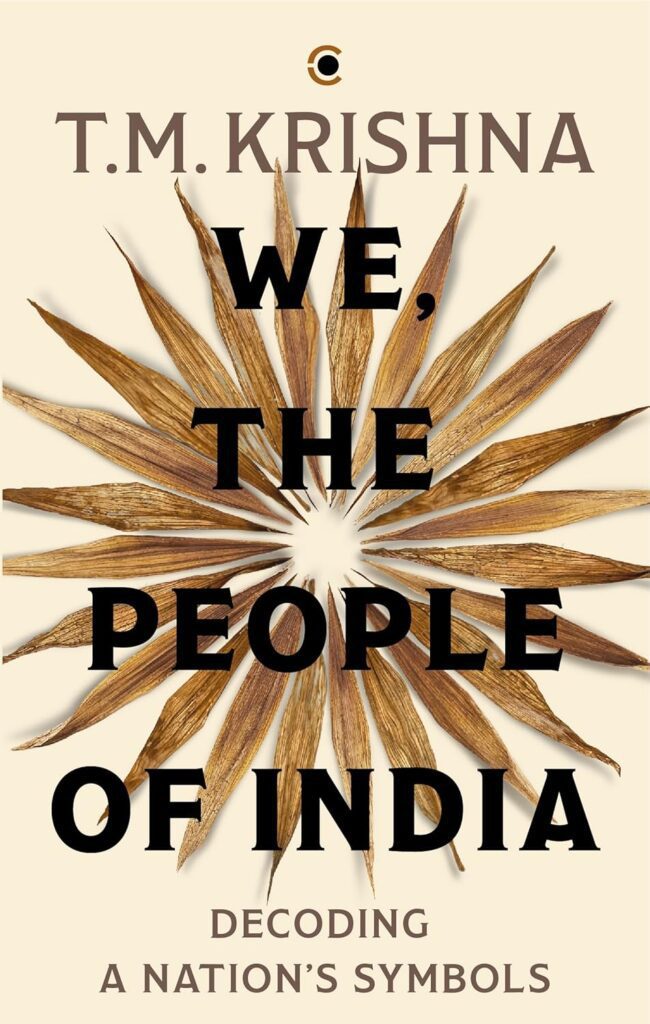
By: T.M. Krishna
Published: Jan, 2026
Musician and cultural commentator T.M. Krishna traces the historical and philosophical origins of India’s national symbols—including the tricolour, the Ashokan lions, the motto Satyameva Jayate, and Jana Gana Mana—to explore how Indian identity is experienced, contested, and continually redefined across linguistic, regional, caste, and class divides. Moving beyond slogans and constitutional text, Krishna argues that culture, music, and everyday social practice constitute the true terrain where Indianness is lived rather than merely imagined. The result is a thoughtful meditation on constitutionalism, identity, and belonging in a vibrant yet often fractious democracy still negotiating the meaning of its shared symbols.
The Sari Eternal: A Tribute
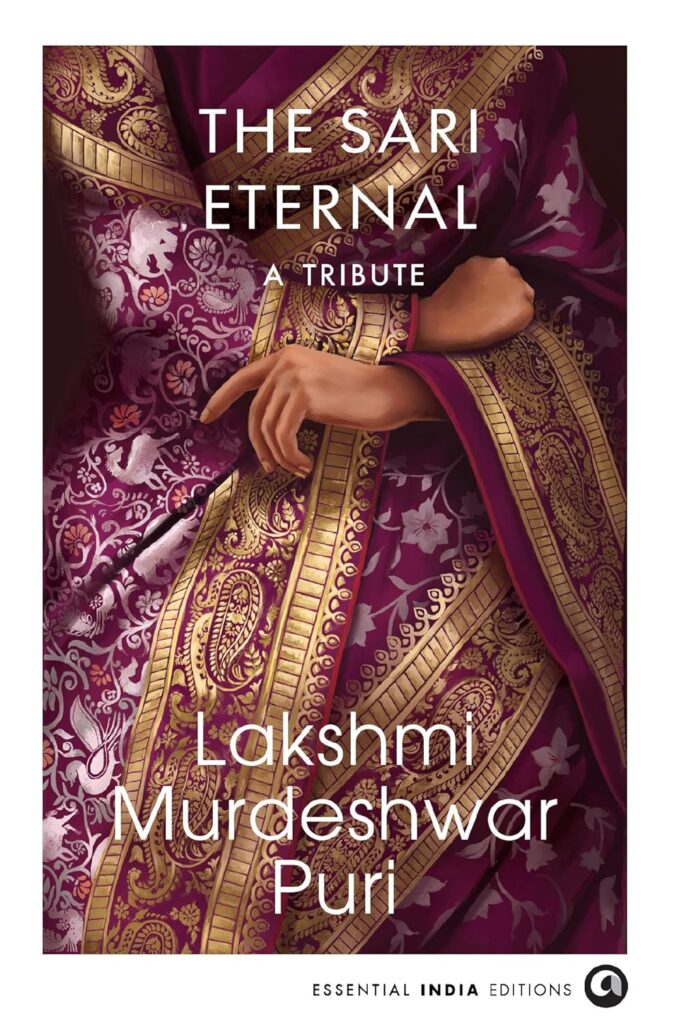
By: Lakshmi Murdeshwar Puri
Published: Jan, 2026
Puri traces how the sari—the world’s oldest continuously worn unstitched garment—has evolved within India’s cultural imagination, from the Banarasi to the Kanjivaram, the Sambalpuri to the Paithani, as a thread binding together a plural and regionally diverse nation. Drawing on her own life, from her childhood in Delhi and Kathmandu to her years as an Indian diplomat abroad, she reflects on how the sari has embodied womanhood, resistance, memory, and identity across generations. The book also recounts how, in diplomatic circles where Western formalwear remained the norm, she quietly challenged convention by choosing the sari as both personal expression and a statement of cultural confidence.
The Elements of Power: A Story of War, Technology, and the Dirtiest Supply Chain on Earth
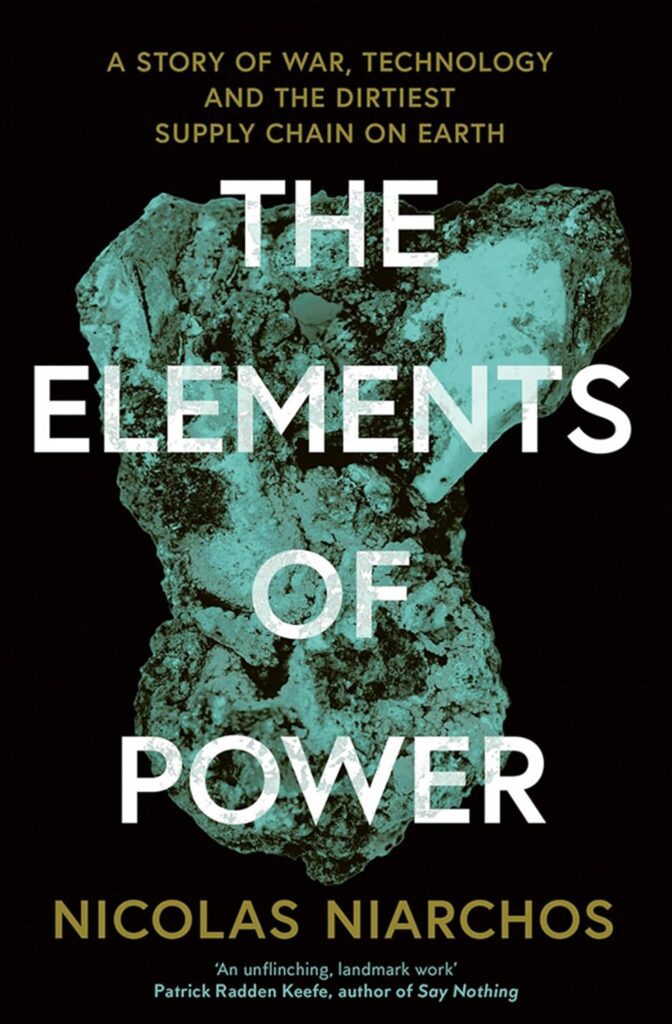
By: Nicolas Niarchos
Published: Feb, 2026
As the global energy transition accelerates, increasing attention is turning to the vast extraction required to power supposedly clean technologies. In his first book, journalist Nicolas Niarchos reports from the Democratic Republic of the Congo on the human and environmental costs of battery metal mining, tracing how cobalt and other critical minerals travel from artisanal mines into the supply chains of the world’s largest manufacturers. The result is a clear-eyed account of how the new politics of critical minerals, much like oil before them, are reshaping geopolitics while profoundly affecting the lives of communities far removed from the corporate boardrooms that depend on their labour.
Kingdom of Football: Saudi Arabia and the Remaking of World Soccer
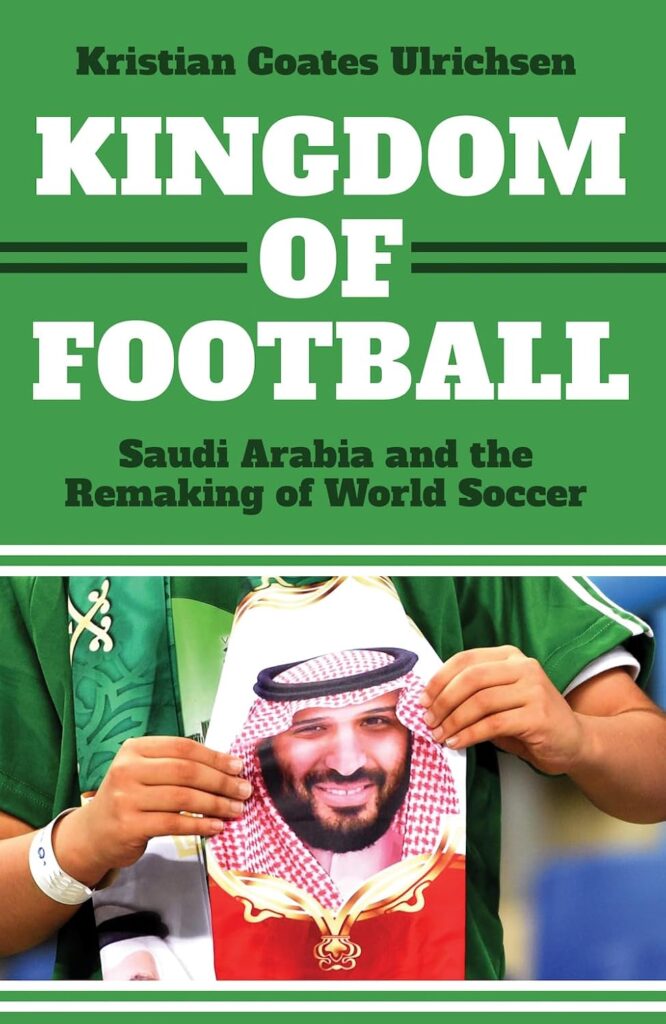
By: Kristian Coates Ulrichsen
Published: Aug, 2025
Ulrichsen, a Gulf politics specialist and self-described football fan, examines Saudi Arabia’s rapid emergence in global football as investor, club owner, sponsor, and future World Cup host. Rather than reducing the phenomenon to the shorthand of “sportswashing,” he explores its domestic economic and social drivers alongside its foreign-policy ambitions, situating the kingdom’s current strategy within a longer history of football investment dating back to the 1970s. By comparing Saudi Arabia’s approach with those of Qatar, the UAE, the United States, Japan, and China, the book offers a nuanced account of sport as an instrument of statecraft and concludes by assessing whether the kingdom’s ambitions can be sustained through the 2034 World Cup.