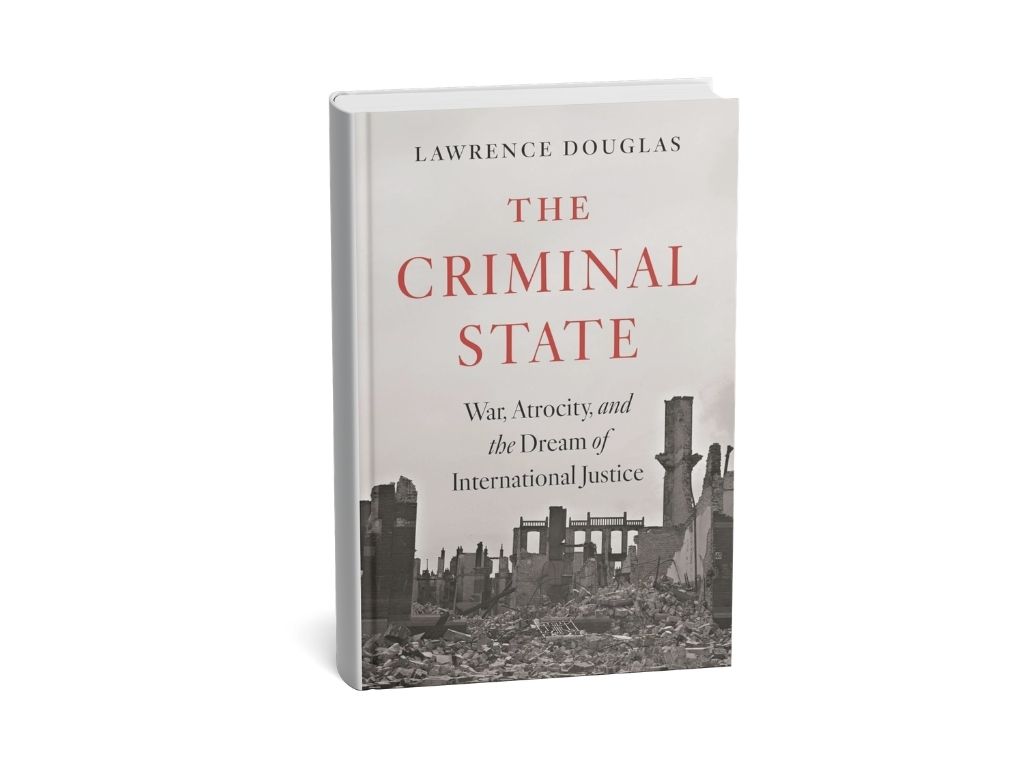
Princeton released Lawrence Douglas’s latest legal history on April 7. It was among Foreign Policy’s 30 most-anticipated books of 2026. The title nods to the German Verbrecherstaat, the wartime label for a state deemed criminal by its very structure; Douglas uses it to place the Holocaust at the centre of Nazi Germany’s criminality rather than its margins. Princeton’s own summary is blunt: Nuremberg’s attempt to build international law around punishing aggression ultimately collapsed, replaced over time by a framework built around genocide and crimes against humanity. Douglas’s reading of the tribunal cuts against popular memory: he argues it was designed less to answer for genocide than to make Germany pay for having started the war at all, overturning centuries of doctrine shielding a sovereign’s decision to fight. That argument alone makes the book worth close attention, since it reframes a piece of legal history most readers think they already understand.
This inversion drives the book’s strongest material, framed as a shift from Nuremberg’s aggression-first logic toward what Douglas calls an atrocity paradigm. He traces that shift through the Eichmann and Klaus Barbie trials, courtrooms that, unlike Nuremberg, made real room for survivors to testify. The book stands as a clear-eyed study of a thorny corner of international law and politics, tracking the world’s quiet abandonment of aggression prosecutions since Nuremberg.
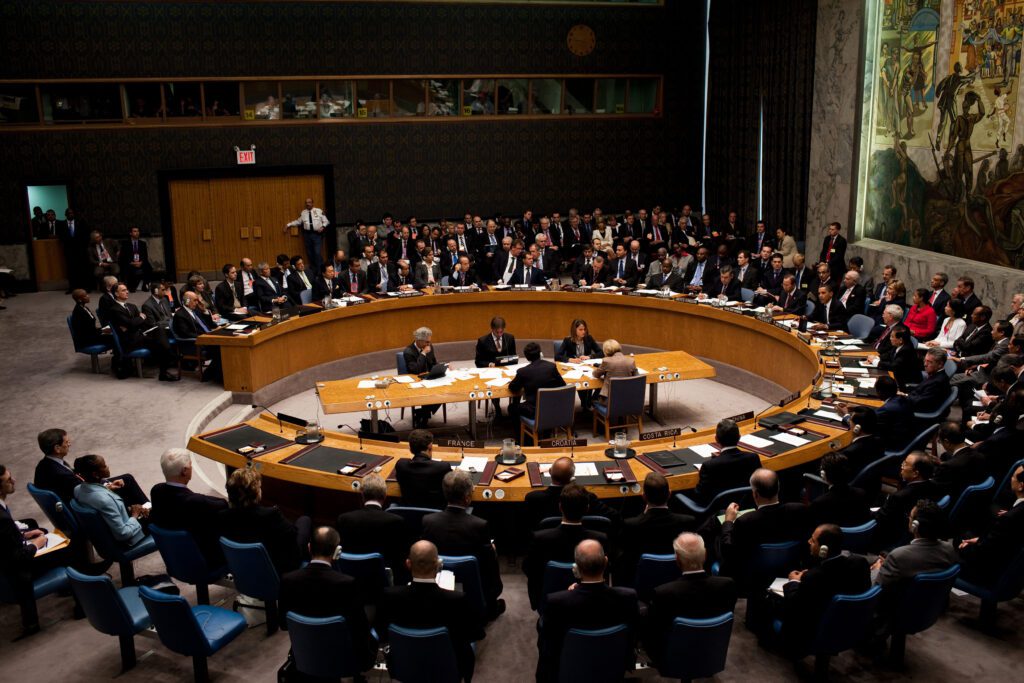
Douglas is equally hard on the UN, noting the Security Council treated aggression and self-defence as “in the eye of the beholder” during the twin crises of 1956, when Britain and France backed Israel into Sinai as Soviet tanks rolled through Hungary. That verdict lands close to home today, where Russia’s war on Ukraine sits alongside Washington’s military actions in South America and those of the US-Israel alliance in the Middle East as proof that international law still cannot rein in state force. The parallel is drawn without heavy-handedness, letting the historical record make its own case.
The book’s central argument holds up under scrutiny: punishing aggression matters because it breeds the war crimes and mass atrocities that follow. It offers a striking vantage point on current events and exposes the difficulty of judging mass violence through a criminal-law lens.
The book’s reach, from King Leopold’s Congo to Putin’s Ukraine, doesn’t end tidily. Douglas closes with Irmgard Furchner, prosecuted as a former camp worker in juvenile court decades later, in her nineties, a portrait of how badly delayed justice can look. Altogether, it is a sweeping, provocative history of the struggle to bring perpetrators of state violence to justice, and more plainly put, a gripping account of how law has confronted the most radical forms of state violence. Few books connect colonial-era violence to present-day conflict without losing the thread. In short: essential reading.