Laos Pitches an Energy and Logistics Hub
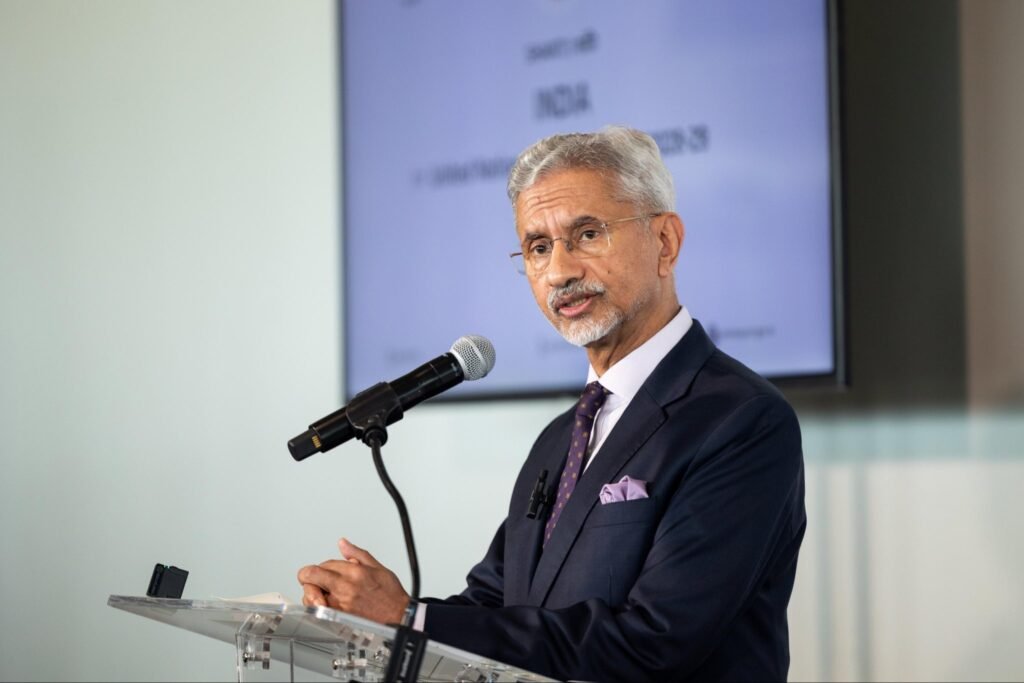
The Development: At the 31st Nikkei Forum on the Future of Asia in Tokyo on June 10–11, Lao Prime Minister Sonexay Siphandone told reporters that development projects are stalling as oil prices climb, and that Laos is seeking a reliable fuel supply from its neighbours. Alongside that, he pitched Laos as a future hub for clean power and transport logistics, anchored by the China-Laos Railway and the Laos-China 500kV power link. The pitch restates a goal Vientiane has carried since at least its September 2025 UN address: converting a landlocked position into a land-linked one.
The Take: Laos is fusing energy and connectivity into a single bet: hydropower exports, cross-border grids and the railway treated as one transit economy rather than separate projects. The logic is structural, an attempt to escape the limits of a small domestic market by embedding Laos in regional infrastructure. The trade-off is that the same strategy deepens dependence on external demand, almost entirely Chinese and ASEAN. Rising fuel costs add urgency, but they are the trigger, not the design.
Khalilur Rahman Elected President of the UN General Assembly
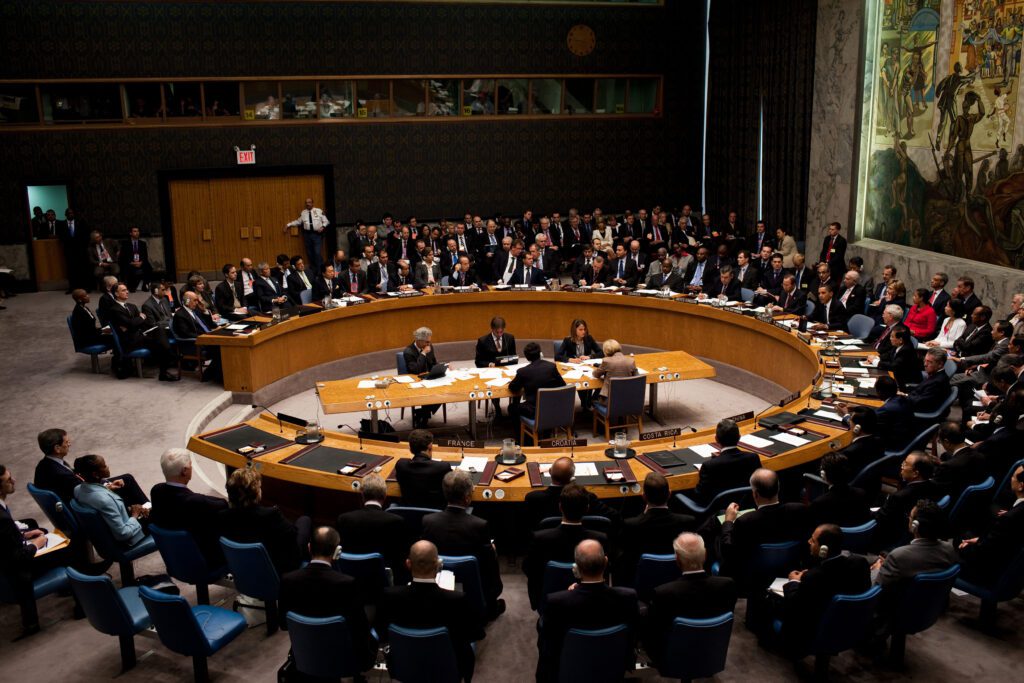
The Development: On June 2, Bangladesh’s Foreign Minister Khalilur Rahman was elected President of the 81st Session of the UN General Assembly, defeating Cyprus’s Andreas Kakouris, 99 votes to 91 in a secret ballot. He takes office September 8, succeeding Annalena Baerbock, for a one-year term, with six stated priorities: peace and security, the 2030 Agenda, climate, human rights, AI governance, and UN reform.
The Take: The presidency has no veto and no enforcement power, but Rahman holds it through the selection of Guterres’s successor, due by the end of 2026, which lets him shape the agenda and broker coalitions at a moment when developing states are pressing for a larger voice. The eight-vote margin is the tell: the Asia-Pacific seat was contested rather than waved through by consensus, and Dhaka’s campaign through its missions abroad outworked a respected Cypriot candidate to win it.
Cuba’s Fuel Crisis Deepens Under US Sanctions
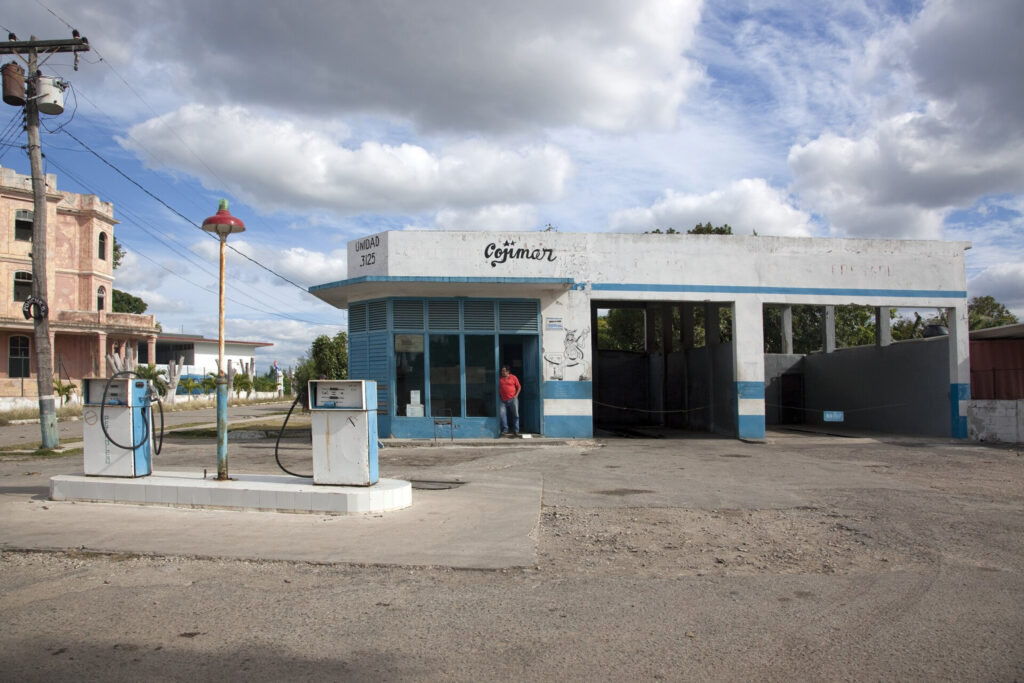
The Development: Cuba’s energy ministry says national fuel reserves are exhausted, producing blackouts of up to 22 hours a day in parts of Havana and the provinces. Tightened US sanctions on Cuba’s energy sector have compounded the collapse of subsidised Venezuelan crude that once cushioned the grid; Mexico and Venezuela have both cut shipments, and limited Russian crude has not closed the gap. The grid has suffered repeated island-wide failures since March, with protests and road blockages reported in Havana.
The Take: Cuba’s grid was already failing from underinvestment, and the October 2024 collapse of its largest power plant, Antonio Guiteras, but a January US move threatening tariffs on any country selling oil to Havana severed the irregular flows that had kept it barely running. The damage now runs through state capacity rather than the power sector alone: close to a million Cubans rely on electric-pumped water that fails with the grid, and hospitals have treated patients through total outages. Diversification is not the available fix, because a politically driven cutoff closes the suppliers faster than a small economy can replace them.
Africa CDC and WHO Scale Up Ebola Response
The Development: The Bundibugyo Ebola outbreak, confirmed in DRC’s Ituri Province on May 15 and declared a public health emergency on May 17, has crossed into Uganda. On June 5, Africa CDC and WHO launched a joint response plan seeking $518 million for surveillance, testing, clinical care, and cross-border coordination. There is no licensed vaccine or therapeutic for the Bundibugyo strain. On June 16, an African Union emergency summit mobilized $910 million in pledges, including $80 million from African governments, with a four-week target to fully fund the plan.
The Take: The $80 million committed by African states is the signal worth watching: continental institutions raising money from their own members before turning to outside donors, a reversal of the externally directed 2014 West Africa response. The constraint is operational, not financial. WHO’s Director-General has warned that blanket travel restrictions are disrupting supply lines without slowing the spread. The test is whether pledges convert into disbursement and reach inside an active conflict zone within the window that leaders set.
Latin America’s Trade Splits
The Development: An IDB report released June 16 found that regional exports rose 15.7% year-on-year in the first quarter of 2026. By destination, exports to China grew 25%, to the rest of Asia 24%, the EU 19%, and the US 14%. China was the fastest-growing market, but the US stayed the largest overall, anchored by Mexico and Central America, while China leads across much of South America. Venezuela’s total exports fell 8.7% even as its US sales rose, after the US captured President Nicolás Maduro and took oversight of its crude sector.
The Take: This is bifurcation, not diversification. Mexico and Central America run north into US manufacturing chains; South America’s gold, copper, and soybeans run toward Beijing. The two halves of the region are no longer growing toward the same markets, which makes a common Latin American trade position toward either Washington or Beijing harder to assemble: each sub-region now has more to lose from confronting its own dominant partner than to gain from regional solidarity. The Venezuela case shows where that leads. With the US holding operational oversight of crude exports from a state both China and Russia courted, external powers are now setting terms inside the region, not just trading with it.