India Shields WTO Consensus Mandate at MC14 in Cameroon
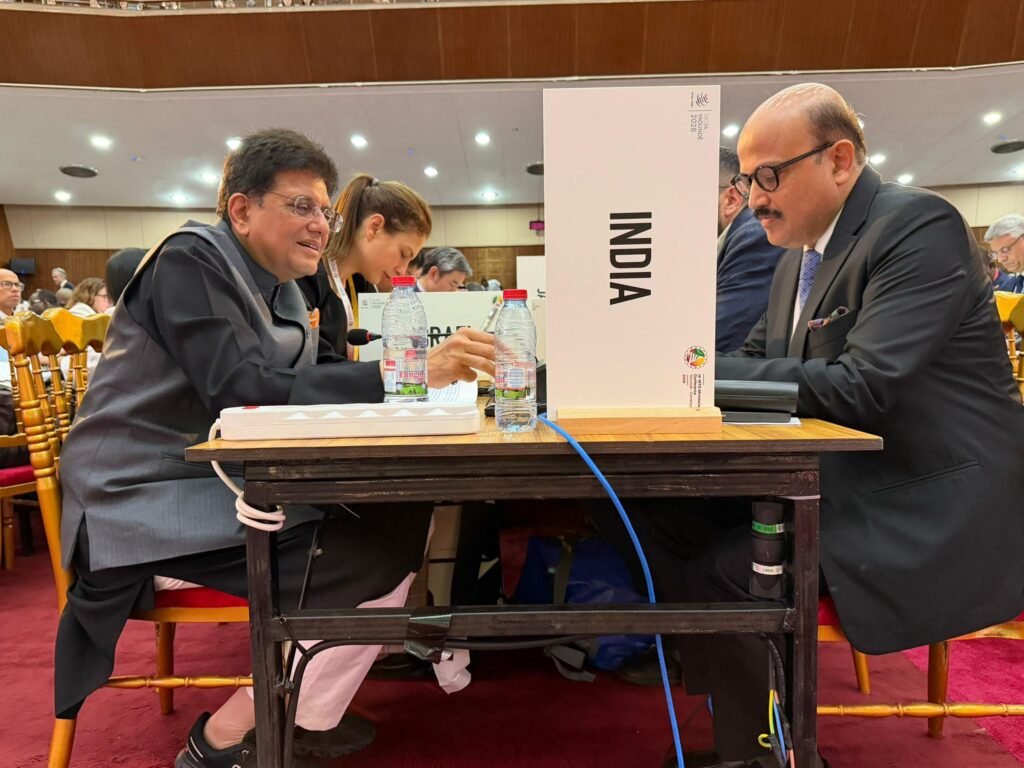
The Development: At the 14th Ministerial Conference of the World Trade Organisation held in Cameroon, Commerce and Industry Minister Piyush Goyal pushed back against attempts to embed a China-led Investment Facilitation for Development pact into the WTO rulebook and defended the consensus-based mandate of the institution. Goyal stated that the concerns of developing nations were given primacy at MC14, while India held its ground on pressures related to the moratorium on e-commerce customs duties.
The Take: India’s insistence on consensus frames the WTO as a rule-making body where plurilateral tracks cannot become binding without broad developing-country buy-in. By resisting investment facilitation commitments that advanced economies have tried to normalise outside the traditional WTO process, New Delhi is signalling to the Global South that the collective bargaining value of the ministerial process has not yet been ceded to coalitions of the willing.
South Asia and Pacific Island States Hit by Fuel Shock from Iran War
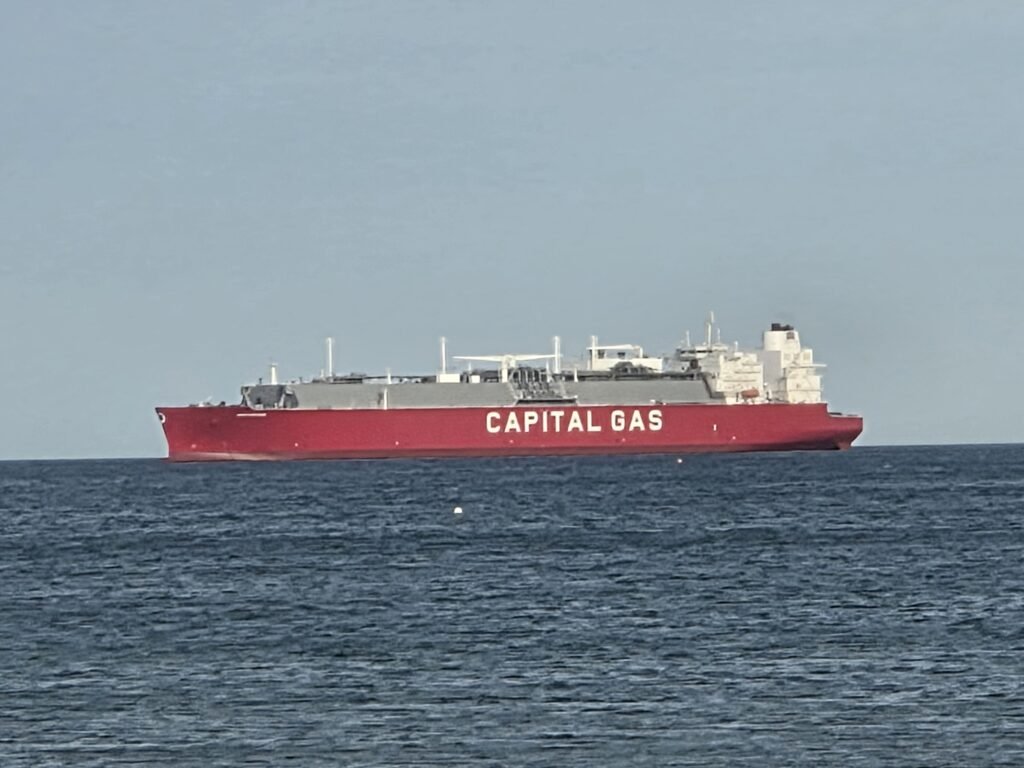
The Development: Sri Lanka, Bangladesh, the Maldives and other neighbouring countries have approached New Delhi with emergency requests for fuel supplies as shortages triggered by the US-Israel war against Iran cascade through the region. Pacific Island states are separately bracing for an energy crisis as Iran war-linked price pressures raise the cost of imports. India has begun acting on some of these requests and has introduced a relief scheme worth 52.5 million US dollars to cushion its own exporters operating in the Middle East from freight rate escalations, higher insurance premiums and war-related risks.
The Take: The crisis exposes how a single chokepoint conflict in West Asia spreads through small, import-dependent economies in the Indian Ocean and the Pacific, draining foreign reserves and raising fiscal stress simultaneously. New Delhi’s willingness to release fuel to its neighbours positions it as a regional shock absorber, but the pattern also underlines a structural asymmetry of the Global South where hydrocarbon dependence translates geopolitical tremors into domestic inflation shocks with little policy cushion.
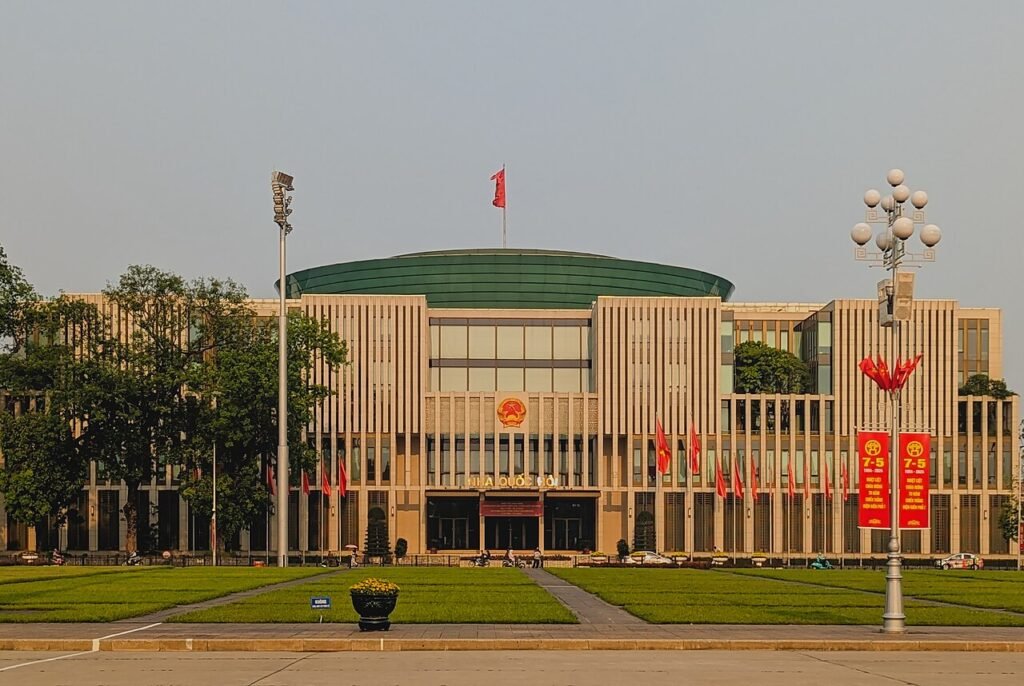
Vietnam Consolidates Leadership as Tariff Shift Redirects Investment
The Development: On 7 April 2026, Vietnam’s National Assembly unanimously elected Communist Party chief Tô Lâm as President, allowing him to simultaneously hold the country’s top party and state positions. The move departs from Vietnam’s long-standing “four pillars” model of collective leadership and marks a significant concentration of authority in a single individual. A former public security minister, Tô Lâm’s elevation is widely seen as formalising his dominance within the political system and enabling more centralised decision-making at a time of domestic reform and external uncertainty.
The Take: Tô Lâm’s dual role signals a deliberate shift away from consensus-based governance toward centralised authority aimed at faster policy execution and tighter political control. Analysts expect this to streamline decision-making and accelerate reforms, but it also raises concerns about weakened institutional checks and growing authoritarian tendencies. For external stakeholders, including investors, the key implication is policy predictability through leadership continuity, rather than any immediate change in Vietnam’s position within global supply chains.
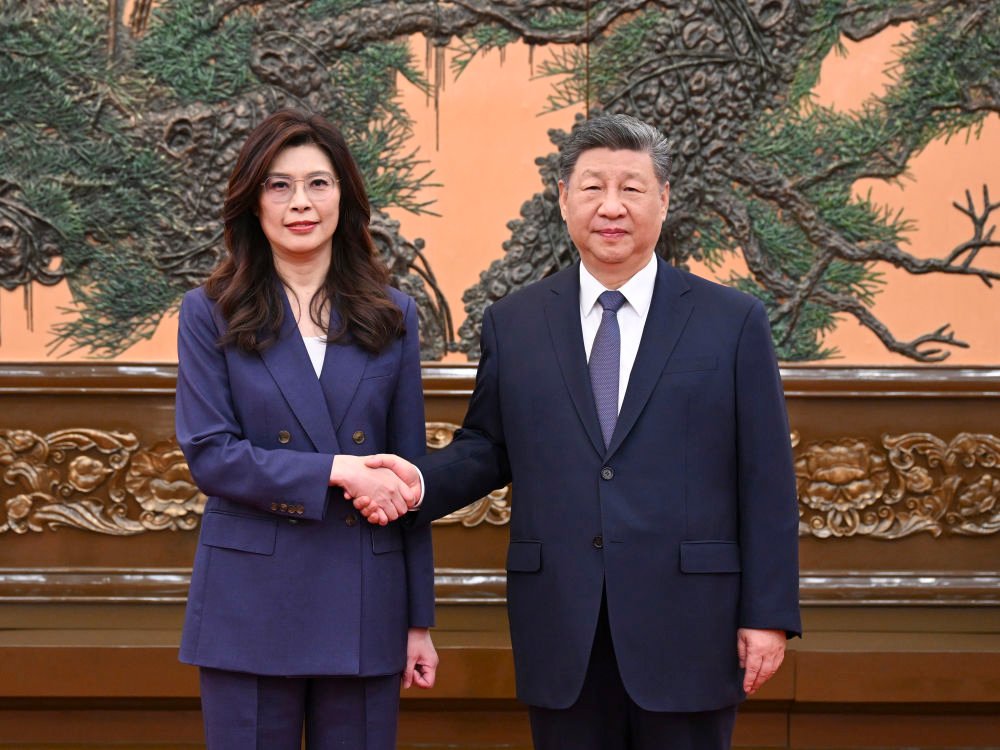
China Courts Taiwan’s Opposition as Taipei Rehearses Blockade Response
The Development: Following Xi Jinping’s meeting with Taiwanese opposition leader Cheng Li-wun, Beijing announced ten measures aimed at expanding cross-strait exchanges, including facilitating Taiwanese investment into the mainland. Taipei is preparing further civil defence drills to rehearse procedures for securing critical supplies in the event of a Chinese blockade. Some reporting has drawn analogies between Taiwan blockade scenarios and recent concerns over disruption at Middle Eastern energy chokepoints.
The Take: Beijing’s incentive push and Taipei’s drills move in opposite directions but share a common reading, that the Taiwan Strait is entering a phase where economic enmeshment and contingency planning coexist. For developing economies dependent on East Asian semiconductor supply chains, the signal is that chokepoint risk is no longer a Middle Eastern phenomenon and that resilience planning cannot be outsourced to any single producer or corridor.
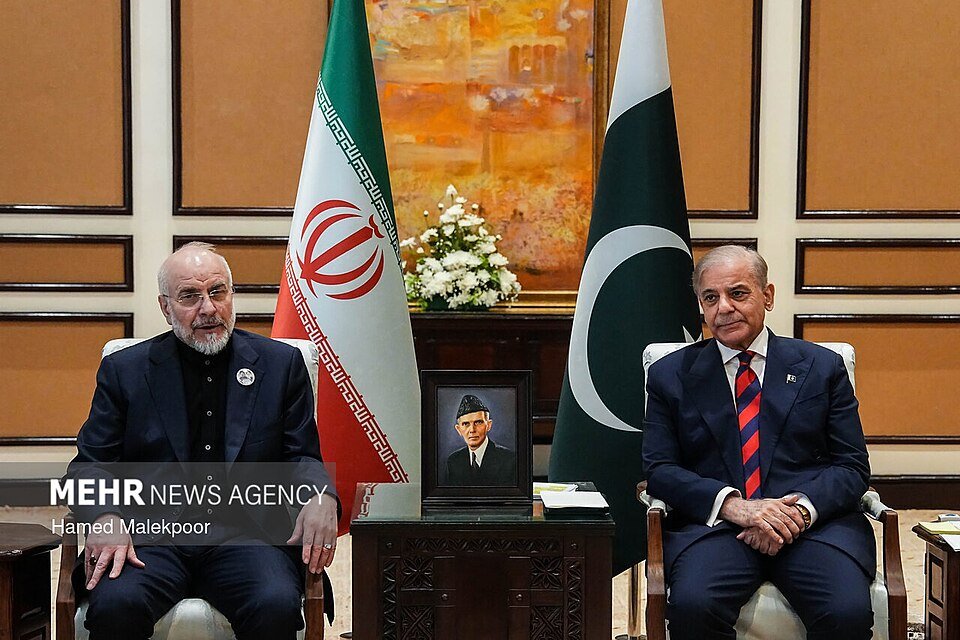
Pakistan Hosts Iran Talks in Delicate Balancing Act
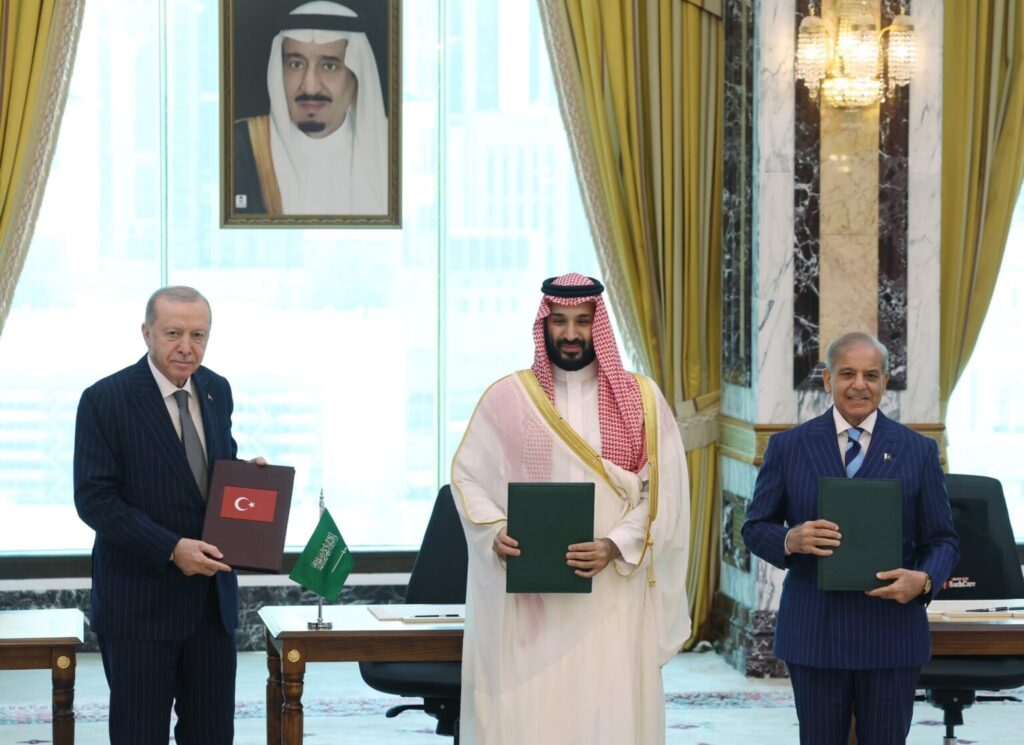
The Development: Pakistan hosted the first round of U.S.–Iran negotiations in Islamabad on 11–12 April 2026, marking a rare effort by Islamabad to act directly as intermediary between Washington and Tehran amid heightened regional tensions. The mediation followed an earlier diplomatic push on 29 March, when Pakistan convened the foreign ministers of Saudi Arabia, Türkiye, and Egypt in Islamabad to support de-escalation and open political space for negotiations. Together, the talks reflected Islamabad’s attempt to leverage ties with Iran, Gulf partners, and the United States to raise its regional diplomatic relevance.
The Take: Pakistan’s mediation is less a bid for diplomatic stature than a response to acute vulnerability. The West Asia crisis directly threatens its energy security, remittance inflows, and internal stability, while also raising the risk of spillover along its border with Iran. Mediation, therefore, functions as a strategy of risk containment—allowing Islamabad to push for de-escalation, avoid a forced alignment between Tehran and its Gulf partners, and signal continued relevance to external patrons. Its role is best understood not as an assertion of influence, but as an attempt to manage exposure in a conflict it cannot afford to let escalate.
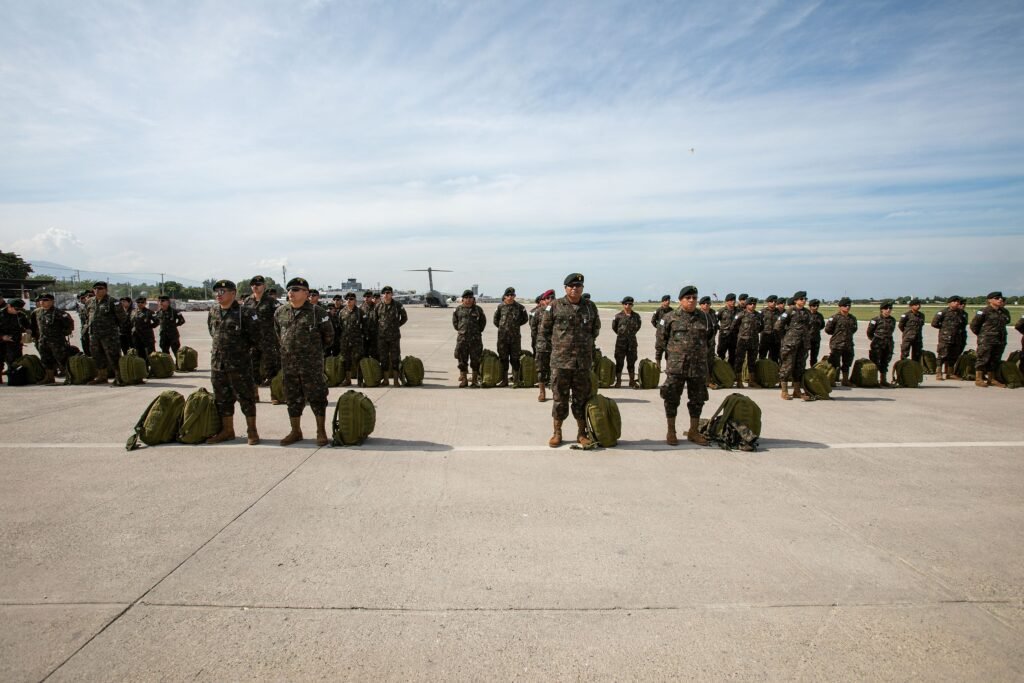
UN-Backed Gang Suppression Force Begins Deployment in Haiti
The Development: On 1 April 2026, the first troops from a United Nations-backed multinational Gang Suppression Force arrived in Haiti, marking the start of a new international security deployment aimed at restoring public order in a country where armed gangs have displaced state authority across large parts of the capital.
The Take: The deployment is best understood as a limited stabilisation effort in a context where state authority has largely collapsed. Its immediate objective is to suppress gang control, secure key infrastructure, and restore a basic level of public order in Port-au-Prince. The constraint is structural: without functioning political institutions or a credible domestic security apparatus in Haiti, any gains are likely to remain temporary. The mission’s effectiveness will depend on whether it can translate operational gains into sustained control without replicating the limitations of earlier interventions. Absent parallel political reconstruction, the force risks stabilising conditions only at the surface, without reversing the underlying collapse of governance.
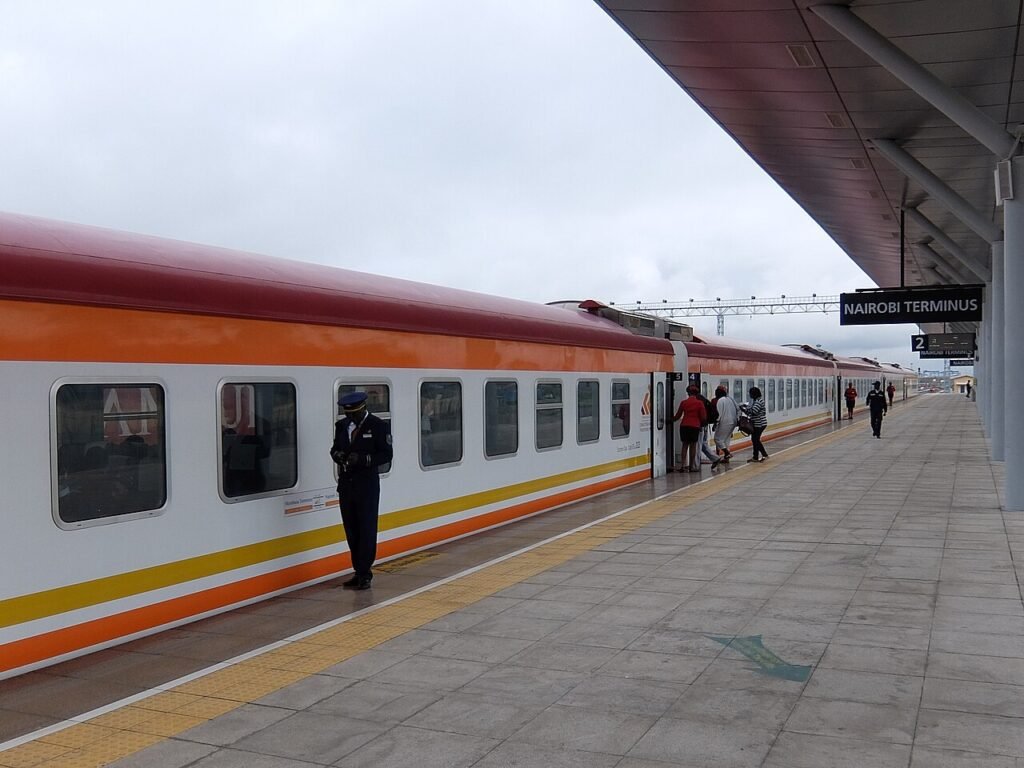
China-Kenya Finalise a Consequential Rail Project
The Development: China and Kenya have revived the long-delayed extension of Kenya’s Standard Gauge Railway, with Chinese contractors returning under a revised financing arrangement to move the project forward. According to media reports, the project is being framed as one of the most consequential infrastructure undertakings in East Africa, extending the railway network and reinforcing transport and economic linkages between Beijing and Nairobi.
The Take: The project suggests that Chinese finance and engineering continue to serve as enduring instruments of influence in Africa despite scrutiny over debt sustainability. It also reinforces that large-scale infrastructure remains central to how partnerships are built in capital-constrained economies. For India and other actors seeking stronger African partnerships, it underscores that connectivity initiatives are judged less by intent than by execution and delivery on the ground.