India-Nepal relations are often described as being rooted in deep, historical, cultural, and people-to-people ties. Yet in practice, this relationship is far more complex, given evolving political transformations in Nepal and shifting geopolitical calculations in South Asia. Nepal occupies a central place in India’s “Neighbourhood First” policy, serving as both a strategic buffer and a vital partner in regional stability. In recent years, China’s strategic presence in the region has grown. This has added complexity to India’s engagement with Nepal, making the bilateral relationship a critical issue.
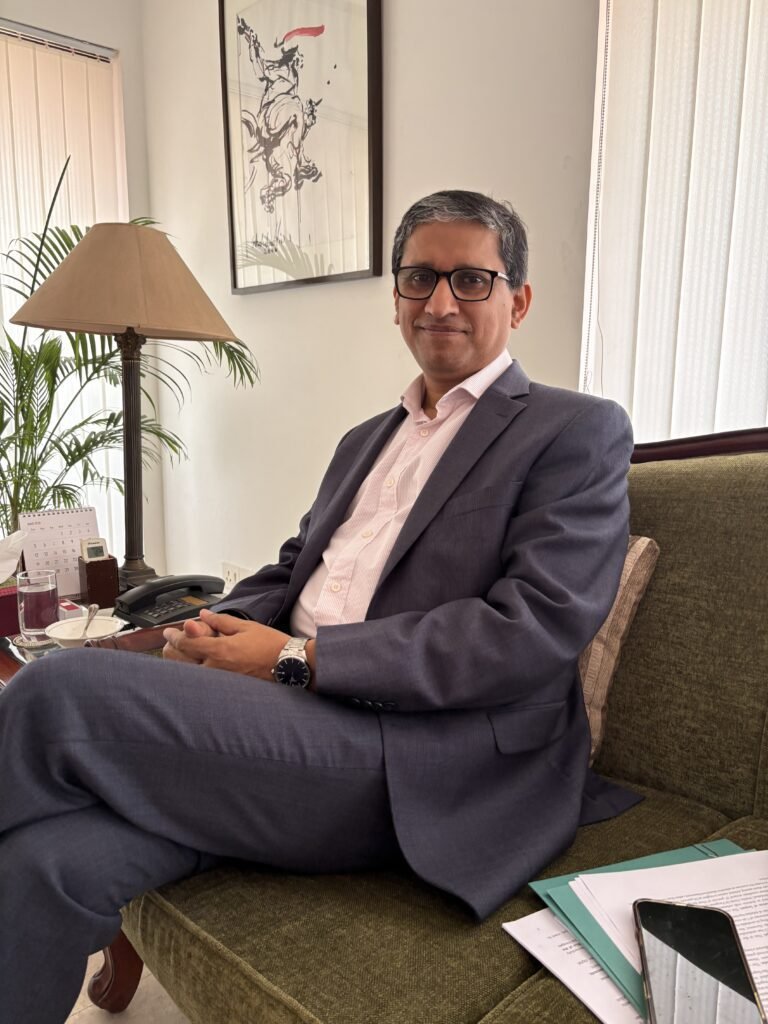
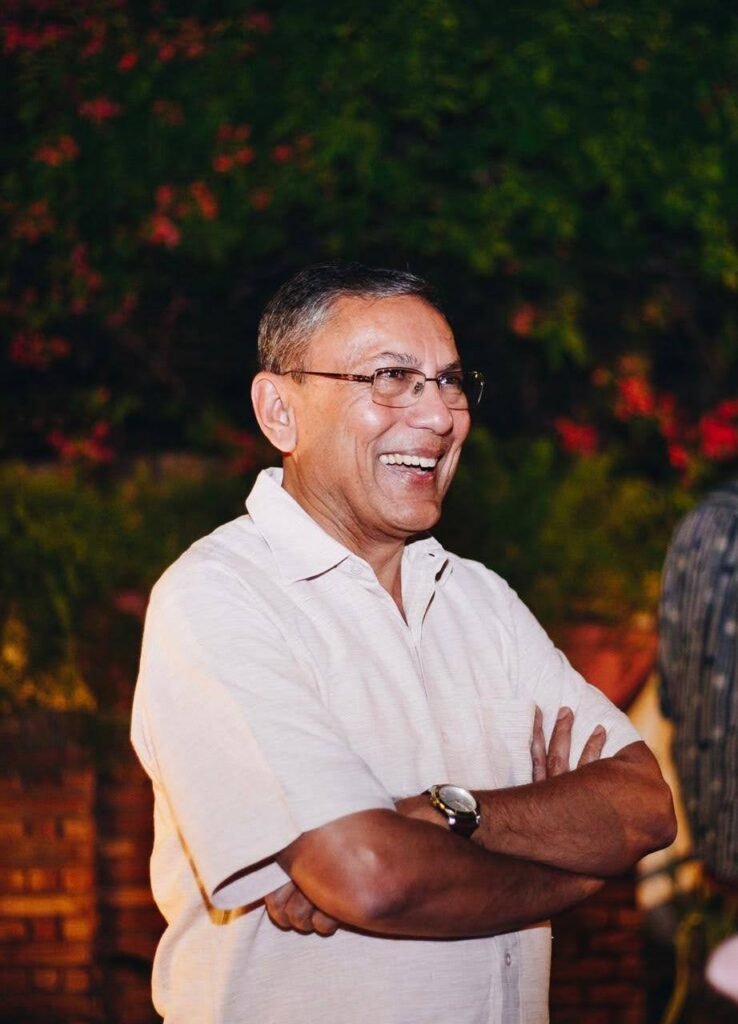
In this context, Himadree Sonowal of India’s World speaks withRanjit Rae, India’s former Ambassador to Nepal (2013–2017). His diplomatic tenure was particularly critical in reviving India-Nepal relations during a politically sensitive period. His book, Kathmandu Dilemma, Resetting India–Nepal Ties (2021), examines India’s perspective on seminal developments in Nepal, including the Maoist Insurgency, the promulgation of a new Constitution in 2015, and the implications of geopolitical contestations between China and the US. His edited book, Shared Bonds, Strategic Interests: India–Nepal Relations in a Strategic World (2025), offers a timely discussion of the evolving India-Nepal relations, drawing on perspectives from both Nepali and Indian scholars.