Five years after the 2021 coup, Myanmar stands at a fraught crossroads. The country remains gripped by conflict, economic crisis, and competing centres of power, even as President Min Aung Hlaing projects a new vision of federalism, elections, and reconciliation, offering promises of change in a landscape still defined by instability.
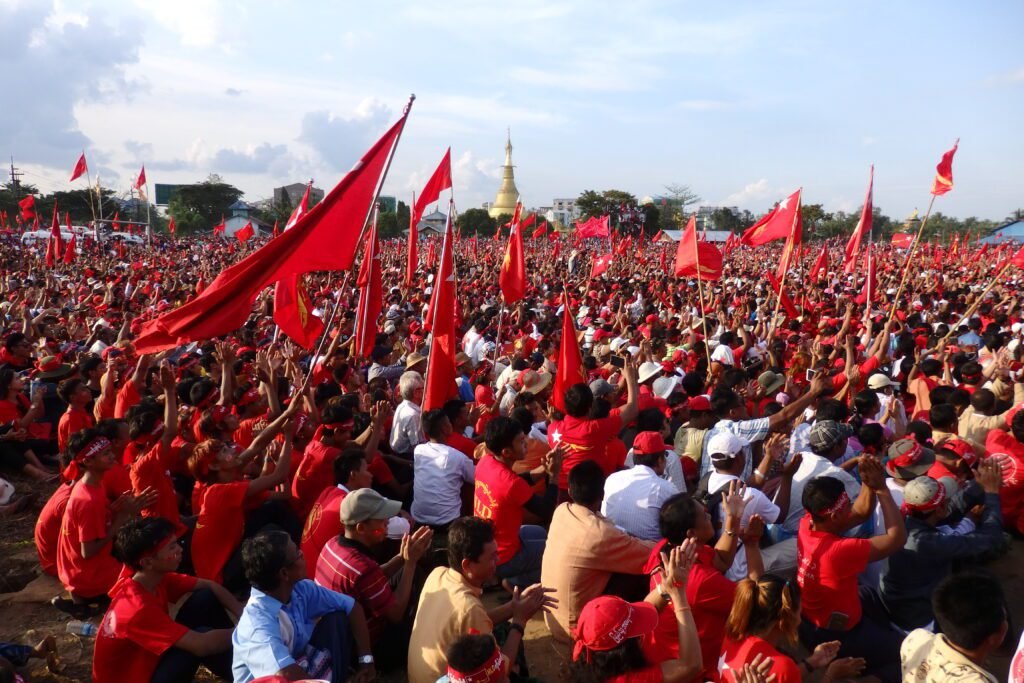
In Myanmar’s long post-independence history of conflicts since 1948, the period after the 2021 military coup remains one of its most diabolical and painful phases. The coup dissolved the newly elected parliament that saw a landslide victory by the National League for Democracy (NLD) in the 2020 election. This wresting of power from the civilian government of Aung San Suu Kyi has triggered four departures from the past pattern of ethnic conflicts.
First, there has been a resistance that remains coherently coordinated by various ethnic armed organisations (EAOs). Despite the proliferation of ethnic militias groups and sub-groups, the broad umbrella of the “Three Brotherhood Alliance”—a tripartite military alliance consisting of the Myanmar National Democratic Alliance Army (MNDAA), Ta’ang National Liberation Army (TNLA), and Arakan Army (AA) and other militia outfits like the Kachin in the north, Chin National Army/Chin National Front (CNA/CNF) have captured several military outposts and rule massive stretches of borderland geography. There are two parallel governments, the Tatmadaw-led State Administration Council (SAC), and the National Unity Government, led by ousted lawmakers, civil society groups and ethnic rebels, alongside the People’s Defence Force (PDF), which coordinates armed resistance.